
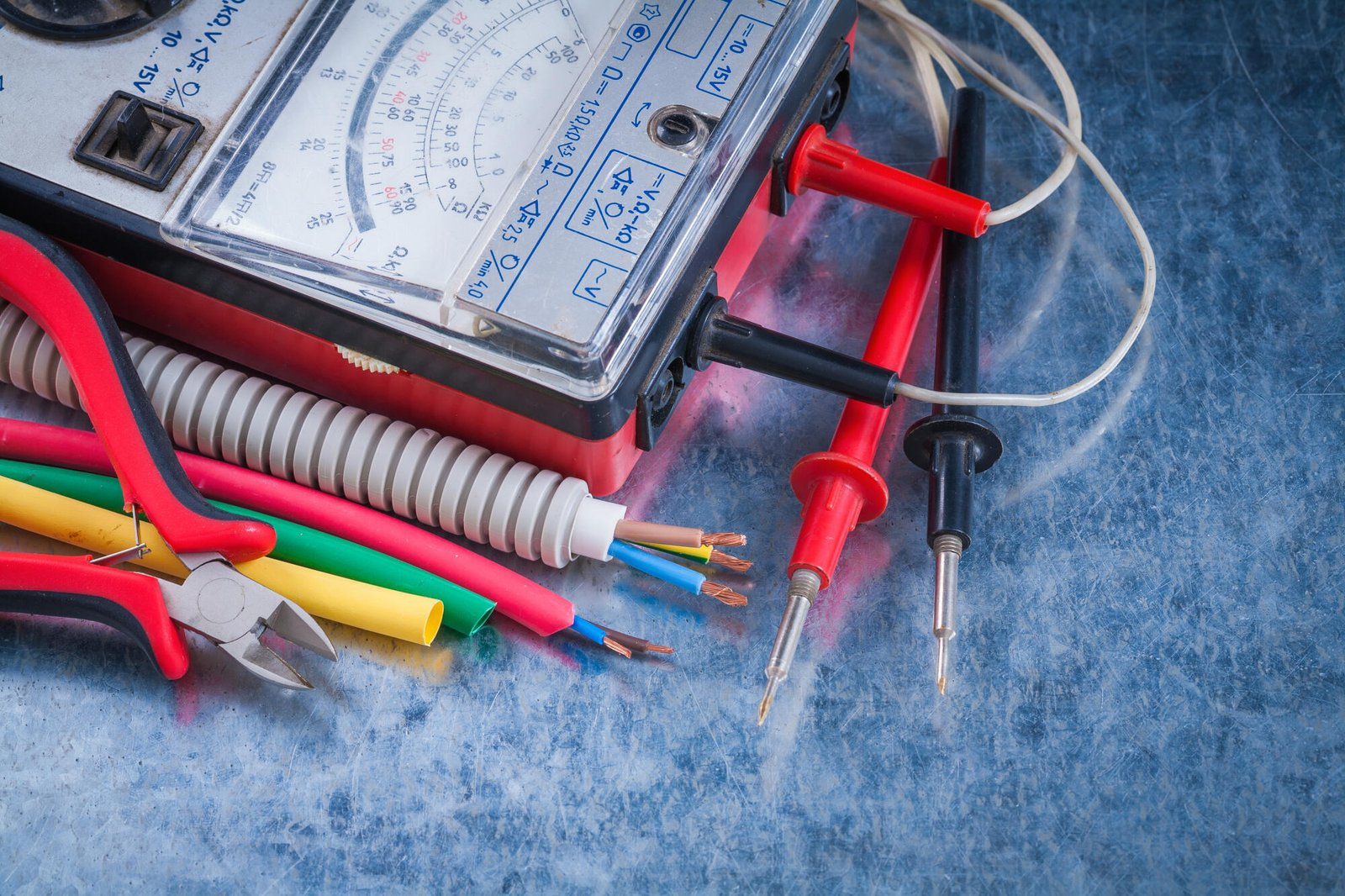
Have you ever wondered how the hidden parts of a building help protect the planet while keeping people safe? Choosing the Best Electrical Conduits for Sustainable Construction may seem simple, yet it plays a big role in how green and reliable a building becomes. Electrical conduits guide and shield wires inside walls, floors, and ceilings.
The right choice can lower waste, save energy, and reduce future repairs. For beginners, this topic can feel confusing at first. By reading this guide, you will learn how smart conduit choices support safe wiring, long life, and eco friendly building methods you can trust.
Understanding Electrical Conduits and Their Purpose
Electrical conduits are tubes that protect wires from damage and help keep people safe from electric shock. They also make repairs easier because wires stay organized and easy to find. In sustainable construction, conduits help reduce waste by lasting longer and needing fewer replacements.
When materials last longer, fewer resources are used over time. This simple role makes conduits an important part of green building. Conduits also help meet safety rules in homes and buildings.
They lower the risk of fire by keeping wires away from heat and sharp edges. When wires stay secure, systems work better and last longer. This improves both safety and performance in daily use.
Why Sustainability Matters in Conduit Selection
Sustainable construction focuses on reducing harm to the environment while creating strong and useful buildings. Choosing the right conduit supports this goal by cutting down on waste and energy use. Some conduits are made from recycled materials, which helps save natural resources.
Others last longer, which means fewer replacements and less trash. Sustainability also means thinking about the full life of a product. From how it is made to how it is reused or recycled, each step matters.
Conduits that resist rust and damage reduce the need for early removal. This approach supports cleaner building practices that help both people and the planet.
Common Types of Electrical Conduits Explained
There are several common conduit types used in buildings today. Metal conduits are strong and protect wires from heavy impact. They often last many years and can be recycled after use.
This makes them a solid choice for many green projects. Plastic conduits are lightweight and easy to install. They resist moisture and do not rust, which helps them last longer in wet areas.
Some plastic options are made with fewer harmful chemicals, making them safer for the environment. Each type has strengths, so the best choice depends on the building needs.
Choosing the Best Electrical Conduits for Sustainable Construction
Choosing the Best Electrical Conduits for Sustainable Construction means balancing safety, durability, and environmental impact. Builders should think about where the conduit will be used and how long it needs to last. A strong conduit that fits the space well helps reduce future repairs.
This saves both money and materials over time. It is also smart to look at how the conduit is made. Products that use recycled content or need less energy to produce are better for the planet.
When these conduits protect wiring well, they support reliable systems without extra waste. This careful choice helps create buildings that stand the test of time.
Durability and Long Term Performance
Durability is a key part of sustainability. A conduit that breaks easily creates more waste and needs quick replacement. Strong conduits protect wires from impact, moisture, and heat.
This helps electrical systems work safely for many years. Long term performance also reduces costs. When fewer repairs are needed, less labor and fewer materials are used.
This lowers the overall footprint of the building. Durable conduits support steady performance while helping the environment.
Installation Ease and Environmental Impact
Easy installation saves time and energy on a job site. When conduits are simple to cut, bend, and place, workers use fewer tools and less power. This reduces energy use during construction.
Faster work also means less noise and less waste. Environmental impact does not stop after installation. Conduits that fit well protect power cables from damage caused by movement or pressure.
This helps prevent failures that could lead to wasteful repairs. A smooth installation process supports both safety and green goals.
Safety Standards and Building Compliance
Safety rules exist to protect people and property. Choosing conduits that meet local codes helps avoid future problems. These rules often focus on fire safety, strength, and proper insulation.
Following them ensures the building stays safe for years. Compliance also supports sustainability. When a building meets standards the first time, it avoids costly changes later.
This reduces waste and saves resources. Safe and approved conduits are a smart investment for any project.
Cost Efficiency Over the Building Life
Some conduits cost more at the start, but they often save money later. Long lasting materials reduce the need for repairs and replacements. This lowers maintenance costs over the life of the building.
In many cases, the total savings are greater than the first cost. Cost efficiency also includes energy savings. Well protected wiring works better and wastes less energy.
Over time, these small savings add up. Choosing the right conduit supports both the budget and the environment.
Supporting Future Ready Green Buildings
Green buildings are designed to adapt to future needs. Electrical systems may need updates as technology changes. Conduits that allow easy access make upgrades simpler and cleaner.
This avoids tearing down walls and creating waste. Future ready buildings also focus on health and safety. Conduits that limit exposure to harmful materials help protect indoor air quality.
This creates safer spaces for people to live and work. Smart conduit choices support long term green goals.
A Smarter Path Toward Greener Builds
Choosing the right conduit is a simple step with lasting results. When builders focus on safety, durability, and eco friendly materials, the whole project benefits. Choosing the Best Electrical Conduits for Sustainable Construction helps reduce waste and protect people at the same time.
These choices support strong systems that last longer and cost less to maintain. By understanding conduit options, beginners can make confident decisions that align with green goals. Sustainable construction starts with smart details that matter every day.
Did this guide help you? Browse the rest of this section for more advice on a variety of topics.

Rao Waqas is a passionate content writer who crafts engaging and insightful articles across diverse topics, helping readers stay informed and inspired.