

Casters play a critical role in many industries, from healthcare and manufacturing to hospitality and warehousing. Reliable casters allow for seamless movement of carts, equipment, and machines, ensuring efficiency and safety in daily operations. In environments where uptime and smooth operations are crucial, the smallest mechanical components, such as casters, are often overlooked until they malfunction. However, without proper care, even high-quality casters can deteriorate rapidly, leading to equipment downtime and increased replacement costs. A neglected caster may cause costly workflow interruptions or even pose safety hazards to personnel. Understanding the best practices for caster maintenance is essential for extending their service life and optimizing performance.
Over time, exposure to dirt, rough surfaces, and heavy loads takes a toll on caster functionality. Industrial environments are particularly harsh on wheel assemblies, with unpredictable debris and continual rolling over thresholds and uneven surfaces. Ignoring routine maintenance may result in increased resistance, erratic movement, or even catastrophic failure, putting valuable equipment at risk. Whether your facility handles light or heavy-duty workloads, developing a maintenance routine can deliver significant performance and cost-savings benefits, as well as improve workplace safety.
Regular Cleaning
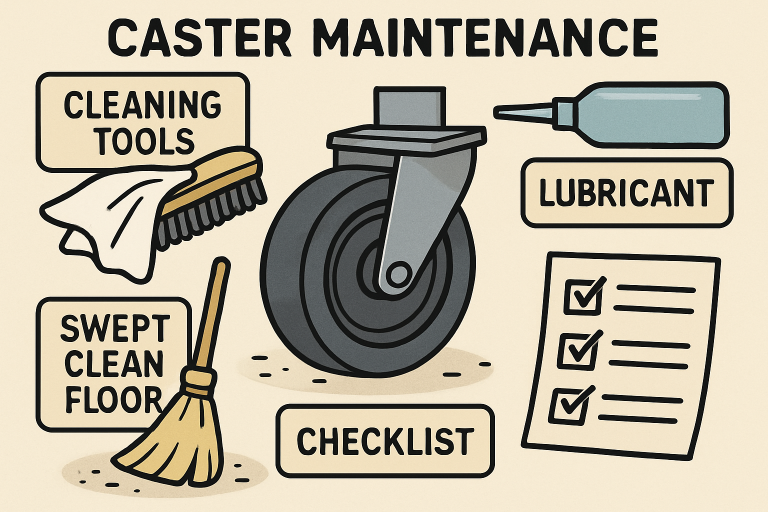
The first step in caster care is maintaining cleanliness. Dirt, grit, and debris that accumulate on caster wheels can restrict their movement and cause uneven wear or permanent damage. Daily sweeping or periodic pressure washing of work areas can help eliminate the buildup of abrasive particles, thereby minimizing the risk of scratches or pitting on wheel surfaces. Regular cleaning ensures casters operate smoothly and are free of materials that might damage the caster or your floors. Use a damp cloth or a mild detergent to wipe down the exterior of each wheel and the casing, paying close attention to crevices where grime can collect. For wheels with embedded debris or treads, consider removing the assembly to clean more thoroughly and avoid the risk of corrosion and rust developing when moisture is left behind. This is particularly important in medical, food service, or cleanroom environments, where sanitation is a priority. Always ensure that casters dry completely before placing equipment back into use, as water trapped inside bearing assemblies can accelerate rust and reduce overall functionality.
Lubricate Moving Parts
Lubrication of moving parts is vital for unobstructed caster movement. Over time, dryness can cause wheels to seize or turn with great difficulty, putting extra strain on staff and risking damage to sensitive equipment. Without regular lubrication, casters may squeak, resist movement, or develop internal friction, leading to premature wear. To prevent this, apply a manufacturer-recommended lubricant to wheel bearings, axles, and swivel bearings every 3 to 6 months, adjusting the frequency for high-traffic areas or demanding environments. Take care to apply lubricant sparingly and avoid over-lubrication, which can trap dirt and dust and cause components to gum up. A well-lubricated caster contributes to a quieter, more efficient workplace, reducing unnecessary strain on staff and equipment. Lubrication also helps protect metal surfaces from corrosion, which is especially vital in humid or corrosive environments.
Inspect for Wear and Damage
Routine visual and hands-on inspections are key to preventing small issues from escalating into major failures. Make it a habit to schedule regularly-timed inspections of all caster-equipped equipment, especially on carts or machinery that experience constant use. Inspect the caster wheels for visible cracks, chips, flat spots, or excessive tread wear that may compromise movement. Flat spots can significantly increase rolling resistance and reduce maneuverability, while cracks may indicate that the wheel material is nearing the end of its service life. Look for signs of rust, excessive noise, or rough bearing action. It’s important to check all fasteners, including bolts and mounting plates, to ensure they remain tightly secured. Loose or missing hardware can affect caster stability and safety, and can lead to noisy or erratic rolling. Replace damaged or excessively worn parts immediately to keep the equipment operational and safe for everyone who uses it. Early detection and correction of small defects can extend the overall lifespan of your cargo transport systems.
Check Load Capacity
Each caster is designed to support a specific weight limit as determined by the manufacturer. In busy facilities, it’s easy to overload carts or racks, but exceeding this limit reduces the caster’s lifespan and increases the likelihood of failure. Overburdened casters can cause excessive wheel deformation, catastrophic failure of the bearing race, or even collapse, endangering personnel and equipment. Always follow the recommended load ratings in the product specifications, and distribute heavy loads evenly among the casters to avoid overburdening any individual unit. Uneven distribution can cause premature wear, especially in casters at the rear or corners of equipment that bear the brunt of the weight. This practice enhances overall maneuverability and decreases the frequency of needed repairs or replacements. According to Caster Central, neglecting load capacities often leads to accelerated caster deterioration and workplace hazards. Adhering to proper load guidelines is a simple, low-cost precaution with substantial long-term payoff.
Keep Floors Clean
Even the most durable casters can be damaged by rough or dirty flooring. Surfaces that are cluttered, sticky, or covered in debris can create resistance, leading to wheels skidding, grinding, or losing traction. Regularly sweeping workspaces and removing foreign objects from paths reduces the risk that debris will become lodged within the wheels or scratch their surfaces. Smooth flooring helps prevent excessive vibration and stress that contribute to early caster wear. Additionally, a well-maintained floor environment supports a safer and more productive workspace for all personnel. Consider scheduling frequent floor inspections, using entrance mats in high-traffic areas, and repairing cracks, chips, or divots as soon as they appear.
Store Equipment Properly
Storing caster-equipped equipment correctly when not in use has a considerable impact on lifespan. Do not leave equipment loaded and stationary for extended periods, as this can create permanent flat spots on soft or rubber wheels, resulting in a less comfortable push or roll. Always place machinery and carts on a level, flat surface to prevent flat spots from developing on the wheels. Avoid leaving casters exposed to extreme temperatures, high humidity, moisture, or chemical cleaners, which can degrade wheel material and hardware. Store equipment inside whenever possible, out of the sun and away from direct exposure to moisture, snow, or rain. If possible, elevate heavier items during prolonged storage to reduce the long-term pressure on the casters and extend their functional life. Proper storage practices help ensure that your caster wheels are ready for operation whenever you need them.
Final Thoughts
Implementing a consistent maintenance routine for your casters will deliver long-term benefits, including extended product life, reduced downtime, and a safer working environment. Regular cleaning, lubrication, inspection, respect for load capacity, floor maintenance, and appropriate storage are all essential strategies to keep your wheels operating at peak efficiency. With these straightforward practices, your facility can protect its investment in both equipment and workplace safety. Prioritizing proper care and handling of casters can have a surprisingly significant effect on your operational efficiency, after all, the smooth movement of your equipment often depends on these small but mighty components.

Ethan Harper is a tech enthusiast and AI researcher who explores the latest in artificial intelligence, machine learning, and emerging technologies. With a passion for breaking down complex concepts, Ethan helps readers stay ahead in the fast-paced world of tech.