
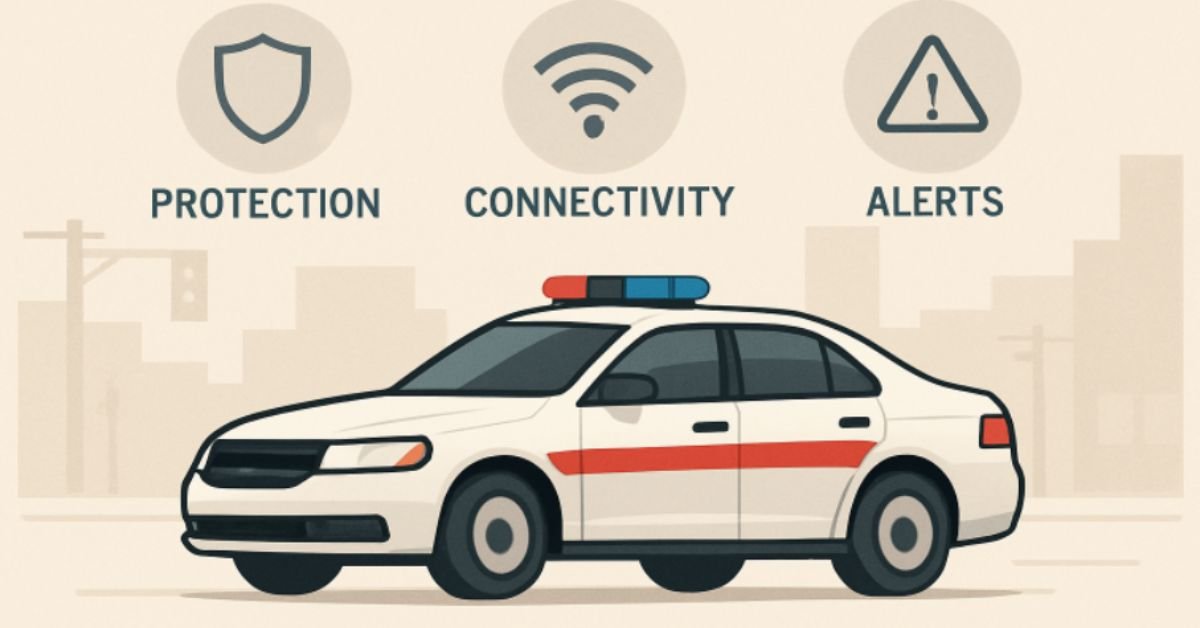
Ensuring the safety of emergency responders and the public is a top priority as our roads and cities grow more complex. Recent advancements in technology have significantly transformed how emergency services protect both their personnel and the communities they serve. From smarter braking systems to intelligent communication, upfitting emergency vehicles with the most advanced safety features is no longer optional—it’s essential for modern response teams. Upfitting emergency vehicles with these technologies not only enhances responder effectiveness but also helps minimize risks during high-pressure incidents.
As emergency scenarios become more unpredictable, integrating technology into fleet operations enhances response times and public safety. Innovations such as advanced driver assistance, digital alerts, and improved communication systems are now essential for safe operations. Many state police and municipal fleets are seeing positive results from these technologies, which include automatic accident prevention and adaptation to road conditions. The article examines core technologies that enhance public safety standards, highlighting that agencies utilizing digital alert systems report fewer incidents and improved response efficiency.
Automatic Emergency Braking Systems
Automatic Emergency Braking (AEB) systems have become a game-changer for vehicle safety across all categories, including emergency response units. These systems utilize radar, cameras, and sophisticated algorithms to monitor the road ahead, detect potential collisions, and automatically apply the brakes if the driver fails to respond in time. This proactive safety measure has been proven to dramatically reduce rear-end collisions—one of the most common types of crashes involving emergency vehicles responding to calls.
Looking ahead, the National Highway Traffic Safety Administration (NHTSA) has instituted a mandate requiring all new passenger vehicles to have AEB by 2029, anticipating significant reductions in roadway fatalities and injuries. As emergency vehicles are frequently exposed to high-risk situations, having this technology integrated helps to safeguard both first responders and civilians. Agencies deploying AEB are already reporting lower accident rates and improved confidence among field operators.
Digital Alert Systems
Digital alert systems are redefining how emergency vehicles communicate their presence to other drivers. Traditionally, lights and sirens have served as the primary warning signals; however, modern advancements have made these alerts far more effective. Systems like Safety Cloud, now featured in some state police vehicles, broadcast digital notifications through popular navigation apps and directly to newer vehicle dashboards, warning nearby motorists long before they see or hear the actual emergency vehicle. This technology significantly reduces the number of roadside collisions and enhances responder safety during roadside operations.
Vehicle-to-Everything (V2X) Communication
Vehicle-to-Everything (V2X) communication enables vehicles to share critical data with each other and with nearby infrastructure, such as traffic signals. For emergency vehicles, the ability to send automated alerts about their location, speed, and direction enables intersections to clear in advance, providing responding units with a safer and faster path to emergencies. The U.S. Department of Transportation’s pilot initiatives highlight just how transformative V2X can be, with early adopters reporting faster response times and improved responder safety.
Robotic Assistance in Emergency Situations
Deploying robotic technology in hazardous environments marks one of the most innovative developments in emergency response. These robots—ranging from aerial drones to quadruped “dogs”—can enter situations too dangerous for humans, such as bomb threats, chemical spills, or search-and-rescue operations in unstable structures. The Denver Police Department’s use of a robot called Spot exemplifies how these tools keep officers safe, facilitating closer inspections and neutralizing risks before sending in personnel. The growing adoption of robotics in the field is helping agencies nationwide reduce occupational injuries and improve operational outcomes.
Enhanced Driver Assistance Features
Advanced Driver Assistance Systems (ADAS) are quickly becoming the norm for fleet upfits. These systems include features like blind spot monitoring, lane departure warnings, adaptive cruise control, and pedestrian detection. For emergency drivers frequently operating under stress, these intelligent aids mean fewer accidents, lower insurance claims, and increased confidence when navigating complex or congested streets. The NHTSA has updated its vehicle safety ratings to account for ADAS features, further encouraging the widespread implementation of these technologies and improving public perception of emergency fleet safety.
Conclusion
The integration of advanced safety technologies in emergency vehicles is reshaping the landscape of public safety. From autonomous braking to real-time communications and robotic support, each innovation builds on the next to create safer, more responsive fleets. As communities demand higher standards of care and as technology becomes more accessible, emergency operations will continue to set benchmarks for vehicle safety—ultimately saving more lives on and off the road.
CLICK HERE FOR MORE BLOG POSTS

Ethan Cole is a passionate blogger at Aldalive.com, sharing fresh ideas and engaging content on lifestyle, technology, and everyday trends. With a love for writing and exploring new topics, Ethan aims to make information simple, useful, and inspiring for readers worldwide.