
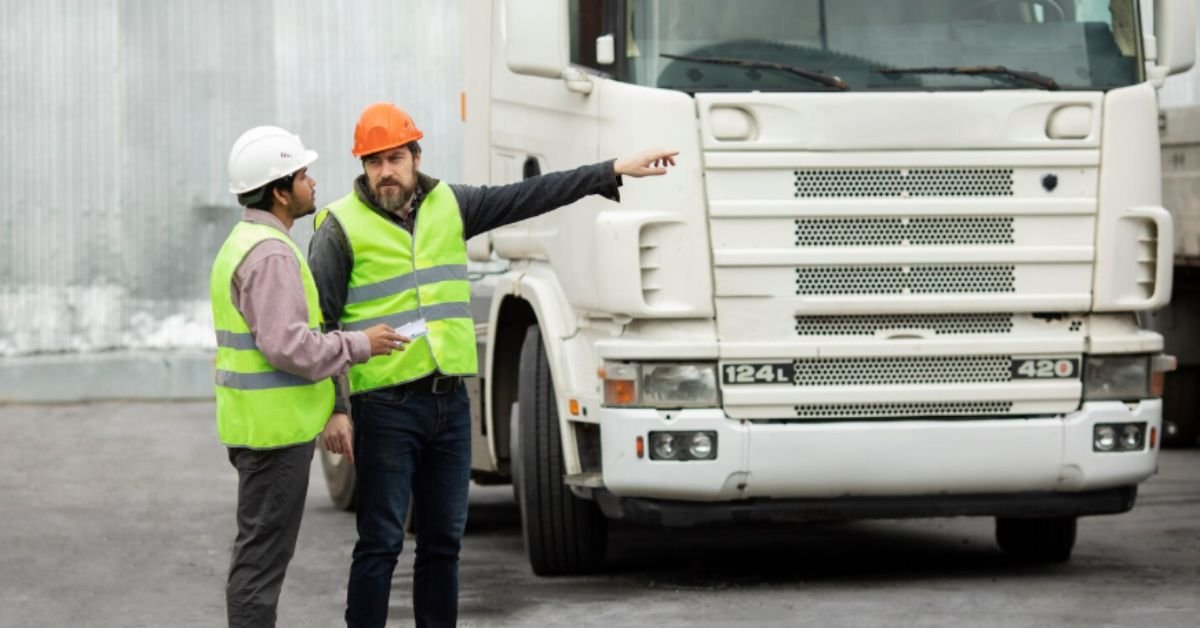
Work trucks in Oklahoma face demanding conditions daily, from construction sites and agricultural fields to long highway hauls. Ensuring driver safety and vehicle reliability in these environments is paramount. Modern advancements in safety technology have transformed work trucks, equipping them with features that reduce accidents, improve operational efficiency, and protect drivers and cargo alike. Oklahoma businesses and drivers can now benefit from innovations that go beyond traditional safety measures. Understanding the latest technologies is essential for those operating Oklahoma work trucks, helping them make informed decisions when purchasing or upgrading their fleets.
Collision Avoidance Systems
One of the most significant advancements in work truck safety is collision avoidance technology. These systems use radar, cameras, and sensors to detect potential collisions with vehicles, pedestrians, or obstacles. Automatic emergency braking, a key component, can apply brakes if the driver fails to react in time. For work trucks navigating busy construction sites or Oklahoma highways, these systems reduce the risk of costly accidents and improve overall fleet safety.
Lane-Keeping Assist and Lane Departure Warning
Work trucks often operate on highways or rural roads for extended periods, making driver fatigue a real concern. Lane-keeping assist and lane departure warning systems help prevent unintended lane drift. These technologies provide alerts when a vehicle begins to leave its lane and, in some cases, actively correct steering to maintain proper lane position. This feature is especially valuable in Oklahoma, where long stretches of road and high-speed travel can increase the likelihood of lane-related incidents.
Blind Spot Monitoring
Due to their size, work trucks frequently have significant blind spots that can endanger nearby vehicles, cyclists, or pedestrians. Blind spot monitoring uses sensors to detect objects in these areas and alerts the driver through visual or audible signals. Some systems also integrate cross-traffic alerts, which are particularly useful when backing out of job site entrances or parking lots. By providing real-time awareness, blind spot technology enhances safety for both drivers and surrounding traffic.
Adaptive Cruise Control
Adaptive cruise control has become increasingly common in work trucks, improving safety and driver comfort on long hauls. Unlike traditional cruise control, adaptive systems automatically adjust vehicle speed based on the distance to the car ahead, reducing the risk of rear-end collisions. For Oklahoma drivers covering hundreds of miles across highways, adaptive cruise control minimizes fatigue and maintains safe spacing, contributing to overall accident prevention.
360-Degree Camera Systems
Modern work trucks often come equipped with 360-degree camera systems, which provide a bird’s-eye view of the vehicle’s surroundings. This technology is particularly useful when maneuvering large trucks in tight job sites, loading docks, or urban areas. By eliminating blind spots and giving drivers a comprehensive view, 360-degree cameras enhance situational awareness and reduce the risk of collisions with obstacles, equipment, or personnel.
Trailer Sway Control and Stability Features
Trailer sway control systems monitor the movement of a trailer and apply selective braking or reduce engine power to stabilize it. Stability control technologies further assist in preventing rollovers and maintaining control during sudden maneuvers or adverse weather conditions. These features are crucial for protecting drivers, cargo, and other road users when towing in unpredictable situations.
Automatic Emergency Braking with Pedestrian Detection
Automatic emergency braking (AEB) has evolved to include pedestrian and cyclist detection, which is particularly important in urban and suburban work environments. These systems use sensors to identify potential collisions with people near the vehicle and automatically apply the brakes if the driver doesn’t react. For work trucks operating in Oklahoma’s cities, construction zones, or school areas, AEB with pedestrian detection significantly reduces the risk of injury and enhances public safety.
Tire Pressure Monitoring Systems
Maintaining proper tire pressure is essential for safe operation, especially in heavy-duty work trucks. Tire pressure monitoring systems (TPMS) alert drivers when tire pressure drops below safe levels, preventing blowouts and improving handling. Given the heavy loads that work trucks often carry in Oklahoma, TPMS technology plays a vital role in preventing accidents and ensuring optimal performance on highways and job sites.
Driver Alert Systems
Fatigue and distraction are leading causes of work truck accidents. Driver alert systems monitor steering patterns, lane positioning, and other indicators to detect signs of drowsiness or inattention. When potential issues are identified, the system provides alerts, encouraging drivers to take a break or refocus on the road. This technology is particularly valuable for Oklahoma drivers covering long rural stretches, where monotony and fatigue can compromise safety.
Head-Up Displays
Head-up displays (HUDs) project important information, such as speed, navigation, and safety alerts, directly onto the windshield. By keeping critical data in the driver’s line of sight, HUDs minimize the need to glance away from the road, reducing distraction-related risks. For work trucks, this technology helps drivers maintain focus while monitoring important information, enhancing overall safety.
Advanced Lighting Systems
Lighting plays a significant role in work truck safety, especially in low-light conditions or during night operations. Adaptive headlights, LED lighting, and auxiliary work lights improve visibility and make vehicles more noticeable to others. In Oklahoma, where work often occurs during early morning or late evening hours, advanced lighting systems increase safety for drivers, co-workers, and nearby motorists.
Connected Vehicle Technology
Connected vehicle technology allows work trucks to communicate with other vehicles, infrastructure, and fleet management systems. Features such as telematics provide real-time data on vehicle location, performance, and safety events. Fleet managers in Oklahoma can use this information to monitor driver behavior, schedule maintenance, and respond quickly to incidents, improving overall fleet safety and efficiency.
Roll Stability and Rollover Prevention
Work trucks, particularly those with high cargo loads, are at risk of rollovers. Roll stability control systems detect potential rollover conditions and adjust braking or engine output to prevent accidents. These systems work alongside traction control and stability features to maintain balance and control in challenging driving conditions, such as sharp turns, uneven terrain, or wet roads commonly encountered in Oklahoma.
Parking Assistance and Sensors
Parking a large work truck can be challenging, particularly in tight job site areas or crowded streets. Parking assistance systems use sensors to guide drivers, providing warnings for obstacles and automated steering in some cases. These features reduce the risk of low-speed collisions and property damage, ensuring safer and more efficient parking maneuvers.
Emergency Response Features
Some modern work trucks are equipped with emergency response technologies, such as automatic crash notification and SOS call systems. In the event of an accident, these systems alert emergency services, providing location data and potentially saving lives. For drivers working in remote Oklahoma areas, this technology ensures timely assistance in critical situations.
Conclusion
Advanced safety technology has transformed the capabilities of work trucks in Oklahoma, providing drivers and fleet operators with tools to prevent accidents, protect cargo, and improve operational efficiency. Features such as collision avoidance, adaptive cruise control, blind spot monitoring, and driver alert systems offer substantial improvements in safety and peace of mind. Combined with connected vehicle technologies and emergency response systems, these innovations make modern work trucks safer, smarter, and more reliable than ever before.

Ethan Cole is a passionate blogger at Aldalive.com, sharing fresh ideas and engaging content on lifestyle, technology, and everyday trends. With a love for writing and exploring new topics, Ethan aims to make information simple, useful, and inspiring for readers worldwide.