
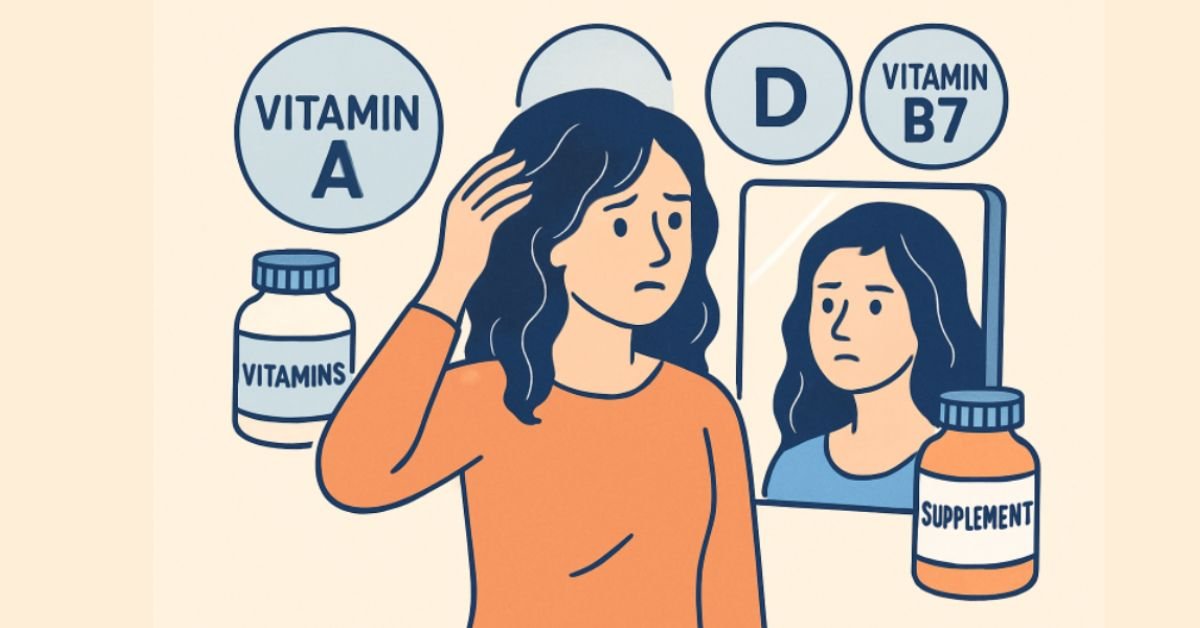
Understanding Hair Loss in Women
Hair loss is an emotionally challenging experience for many women, affecting more than just physical appearance; it can significantly reduce self-esteem and self-assurance. While it’s often seen as an issue exclusive to men, millions of women experience this condition at various life stages. Root causes can vary widely, from genetics and hormonal shifts—such as those brought on by pregnancy or menopause—to underlying health issues and even chronic stress. Identifying the primary triggers is crucial, as it enables women to take a targeted approach in addressing their hair health challenges through options like hair growth supplements for women.
Noticing the first signs of thinning or excessive shedding often leaves many women feeling a mix of confusion and concern. Medical professionals note that hair’s well-being is closely linked to overall health, and imbalances in the body can manifest physically as hair loss. Poor nutrition, thyroid conditions, and sudden weight changes are just some of the factors involved. It’s important to acknowledge these signals early, as swift intervention can minimize ongoing hair loss and improve long-term growth outcomes.
Key Nutrients Essential for Hair Growth
Maintaining hair vitality isn’t just about what you put on your hair—it’s fundamentally tied to what you put into your body. A variety of vitamins and minerals are recognized for their direct influence on healthy hair development:
- Biotin: Part of the B vitamin family, biotin plays a pivotal role in the production of keratin, the protein that forms hair structure. Research shows that adequate levels support both strength and length.
- Vitamin D3: Women with low vitamin D levels are more prone to hair shedding, particularly postmenopause. D3 is involved in activating hair follicles and balancing hormone profiles, particularly estrogen, to promote new follicle growth.
- Iron: Iron delivers oxygen to hair roots, fueling the cells in the hair growth cycle. Iron deficiency is among the most common nutritional causes of hair thinning, making adequate intake essential.
- Zinc: Crucial for the repair and correct functioning of hair follicles, zinc also plays a part in the proper division of cells needed for healthy regrowth.
Top Hair Growth Supplements for Women
Many women find that, despite their best efforts, eating a perfectly balanced diet every day is challenging. In such cases, targeted supplements can provide the nutritional support needed to jump-start or revive hair growth. Here are several reputable options:
- Nutrafol Women’s Balance Hair Growth Supplements: Formulated specifically for women over 45, this blend addresses both hormonal and nutritional needs every day in the postmenopausal stage, combining botanicals with well-researched vitamins for comprehensive hair health.
- Viviscal Women’s Hair Growth Supplements: Backed by clinical studies, this supplement delivers key nutrients, including biotin, and a proprietary marine complex that nourishes thinning hair from within and promotes renewed growth.
- Hairfinity Healthy Hair Vitamins: Standing out for its unique blend of bioactive vitamins and minerals, Hairfinity is tailored for women seeking a holistic approach to hair vitality and regrowth.
Natural Remedies to Enhance Hair Growth
While supplements can play a vital supportive role, many women also turn to natural remedies as part of a well-rounded regimen. These holistic approaches focus on boosting scalp circulation, balancing the scalp environment, and encouraging healthy follicles:
- Scalp Massages: Gentle, regular massages have been shown to increase blood flow to the scalp, which in turn provides hair roots with more nutrients and may stimulate growth.
- Essential Oils: Natural oils such as rosemary and peppermint are widely recognized for their potential to stimulate hair growth. When applied diluted, they may help reactivate dormant follicles.
- Balanced Diet: Consuming lean proteins, nutrient-rich vegetables, healthy fats (like those from avocados and nuts), and ample fruits provides the building blocks hair needs to remain strong and vibrant.
Lifestyle Changes to Prevent Hair Loss
Incorporating healthy habits into your daily routine can make a significant difference in preventing further hair loss and fostering regrowth:
- Stress Management: Chronic stress is a well-established trigger for hair loss, affecting the hair growth cycle and potentially leading to noticeable thinning. Engaging in stress-reducing activities such as yoga, meditation, deep breathing, and regular exercise can provide much-needed relief and support healthier hair cycles. For more strategies on managing stress-related hair loss, you can explore practical tips and guidance at US News & World Report. Consistently incorporating these practices can help maintain overall wellness and promote stronger, healthier hair over time. Pairing stress management with a balanced diet and proper hair care routines further enhances the benefits for hair growth.
- Avoiding Heat Styling: Limiting the use of straighteners, curling irons, and blow dryers helps to prevent heat-related breakage and split ends, preserving hair strength and elasticity.
- Regular Trims: Scheduling trims every 6–8 weeks keeps split ends in check, preventing them from traveling up the hair shaft and causing more significant breakage.
When to Consult a Professional
If you’ve tried a range of supplements, maintained a nutrient-rich diet, and implemented lifestyle changes but still notice persistent thinning or bald patches, it’s wise to seek advice from a dermatologist or healthcare professional. They can identify underlying conditions, test for vitamin deficiencies, and recommend advanced therapies, such as prescription treatments or specialist hair restoration procedures.
Conclusion
For women experiencing hair loss, hope is far from lost. With a multifaceted strategy—embracing the right supplements, adopting natural remedies, and implementing healthy lifestyle shifts—it’s possible to regain fuller, thicker hair and, most importantly, renewed self-confidence. Proactive attention and an informed approach empower women to take control of their hair health and overall well-being.

Ethan Cole is a passionate blogger at Aldalive.com, sharing fresh ideas and engaging content on lifestyle, technology, and everyday trends. With a love for writing and exploring new topics, Ethan aims to make information simple, useful, and inspiring for readers worldwide.