
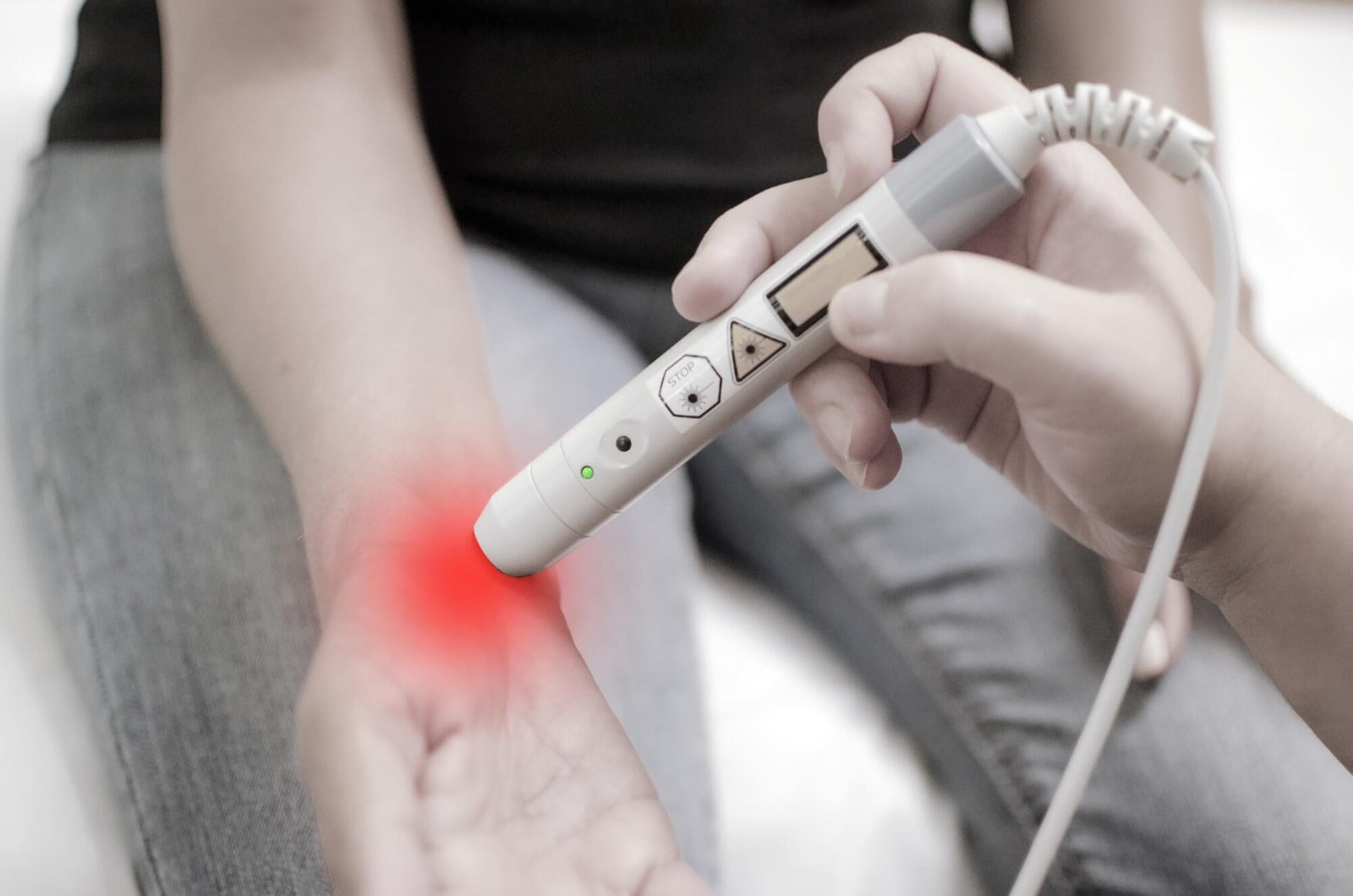
Joint inflammation is a common health issue that affects people of all ages. It can cause pain, swelling, stiffness, and difficulty moving the joints. Many people experience joint inflammation at some point in their lives, especially as they get older or if they have certain health conditions.
When joints become inflamed, everyday tasks like walking, climbing stairs, typing, or lifting objects can become uncomfortable. Learning what joint inflammation is, what causes it, and how to manage it can help people reduce pain and protect their joint health. Read on.
What Is Joint Inflammation?
Joint inflammation happens when the tissues around a joint become irritated or damaged. When this occurs, the body’s immune system sends extra blood and immune cells to the area to help protect and heal the joint. This response causes common symptoms such as swelling, warmth, and pain in the affected joint.
Inflammation can occur in many joints throughout the body. The knees, shoulders, hips, hands, wrists, and ankles are some of the most commonly affected areas.
Sometimes joint inflammation only lasts for a short time. For example, it may occur after an injury or intense physical activity. In other cases, inflammation may last much longer and become a chronic condition that requires ongoing care.
Common Causes of Joint Inflammation
There are several reasons why joints may become inflamed. One of the most common causes is arthritis. Arthritis is a general term used to describe conditions that affect the joints.
One type is osteoarthritis. This happens when the cartilage that protects the ends of bones slowly wears down over time. Without enough cartilage, bones rub together and cause pain and inflammation.
Another type is rheumatoid arthritis. This condition occurs when the immune system mistakenly attacks the lining of the joints. This leads to swelling, stiffness, and joint damage if not treated.
Joint injuries are another common cause of inflammation. Sprains, strains, and fractures can all trigger swelling and pain as the body works to heal the damaged area.
Overuse can also lead to joint inflammation. Repeating the same movements for long periods-such as typing, lifting, or playing sports-can place stress on the joints and surrounding tissues. Other causes may include gout, infections, and certain autoimmune conditions.
Signs and Symptoms of Joint Inflammation
Joint inflammation can cause several noticeable symptoms. One of the most common symptoms is joint pain. The pain may feel dull, sharp, or throbbing depending on the cause.
Swelling is another common sign. Inflamed joints may appear larger than normal because of fluid buildup in the area.
Many people also experience stiffness. Joints may feel tight and difficult to move, especially after resting or waking up in the morning.
Redness and warmth around the joint may also occur. These signs appear because the body increases blood flow to the inflamed area. In more severe cases, joint inflammation can reduce flexibility and make it harder to move the joint normally.
How Doctors Diagnose Joint Inflammation
If joint pain or swelling continues for a long time, a doctor may recommend an evaluation. The diagnosis usually begins with a physical examination. The doctor will look at the joint and check for swelling, tenderness, and range of motion.
They may also ask questions about symptoms. For example, they may ask when the pain started, what makes it worse, and whether the joint feels stiff in the morning.
Imaging tests can also help. X-rays, ultrasounds, or MRI scans allow doctors to see the inside of the joint and identify damage, swelling, or cartilage loss. Blood tests may also be used to check for infections or autoimmune diseases that can cause inflammation. These tests help doctors find the exact cause of the problem and recommend the best treatment.
Effective Ways to Relieve Joint Inflammation
There are many ways to reduce joint inflammation and relieve discomfort. Treatment often depends on the cause and severity of the condition.
One simple method is rest. Giving the affected joint time to recover can help reduce irritation and swelling.
Cold therapy is often used to reduce swelling. Applying an ice pack to the joint for short periods can help numb pain and decrease inflammation.
Heat therapy may also be helpful, especially for stiff joints. Warm compresses or heating pads can improve blood flow and relax tight muscles.
Over-the-counter anti-inflammatory medications are commonly used to reduce pain and swelling. These medications help lower the body’s inflammatory response.
Physical therapy is another helpful option. A physical therapist can teach exercises that strengthen the muscles around the joint. Strong muscles help support the joint and reduce strain during movement.
Having the right treatment can make wonder to your condition, espicially whent ti comes to bursitis. In some cases, doctors may recommend prescription medications or injections to control severe inflammation.
Lifestyle Habits That Help Protect Joints
Healthy daily habits can play an important role in reducing joint inflammation. Maintaining a healthy body weight is very important.
Extra weight places additional pressure on joints, especially the knees and hips. Losing even a small amount of weight can help reduce joint stress.
Regular physical activity can also improve joint health. Low-impact exercises such as walking, swimming, or cycling help keep joints flexible and strengthen the surrounding muscles.
Stretching is also helpful. Gentle stretching can improve flexibility and reduce stiffness in the joints.
Eating a balanced diet may also help control inflammation. Foods rich in vitamins, minerals, and antioxidants support overall joint health.
It is also important to avoid repetitive strain. Taking breaks during long periods of work and maintaining good posture can help protect the joints.
When to See a Doctor
Sometimes joint inflammation improves with rest and simple home treatments. However, there are times when medical attention is necessary. If joint pain lasts for several weeks, becomes worse, or interferes with daily activities, it is best to see a healthcare professional.
Severe swelling, sudden pain, or fever along with joint inflammation may signal a more serious condition that requires immediate care. Early treatment can prevent long-term joint damage and improve recovery.
Protecting Your Joint Health
Joint inflammation can be painful and frustrating, but many people are able to manage it successfully. Understanding the causes and recognizing early symptoms can make a big difference.
By combining medical care, healthy lifestyle choices, and proper joint support, people can reduce inflammation and improve mobility. Taking care of the joints today can help maintain comfort, flexibility, and independence for many years to come.
If you want to read more articles, visit our blog.

Rao Waqas is a passionate content writer who crafts engaging and insightful articles across diverse topics, helping readers stay informed and inspired.