
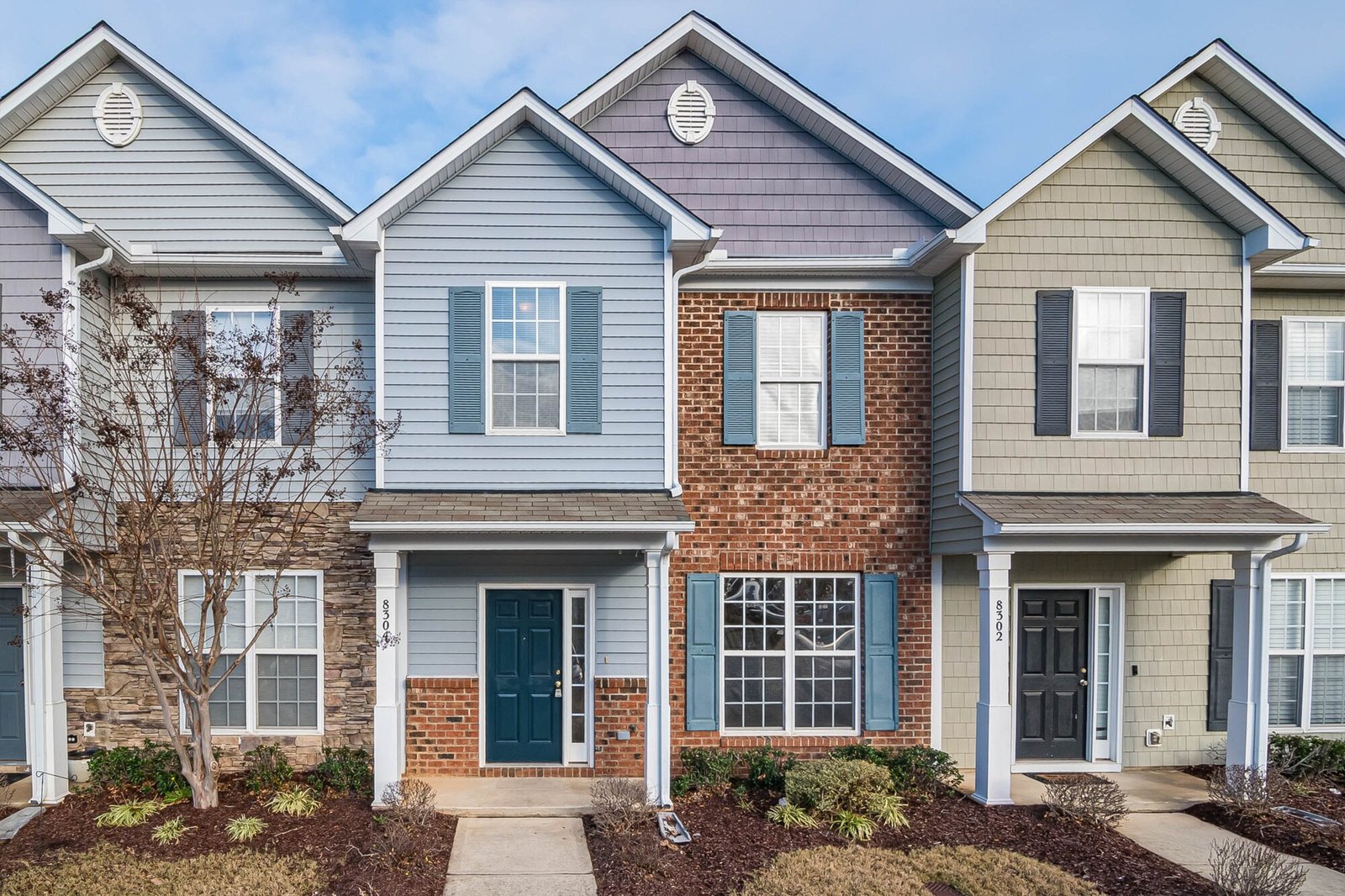
Managing a homeowners association (HOA) can feel hard. How do you keep a community organized, take care of properties, and make residents happy at the same time? Good HOA management is more than just following rules; it is about building a strong, well-run neighborhood.
With clear communication, simple processes, and good planning, HOA boards can make the community work better. This guide will explain easy ways to manage an HOA well. Whether you are new to the board or have experience, these tips can help your community run smoothly.
Establish Clear Communication Channels
Clear communication is the key to a smooth HOA. Residents need to know how decisions are made, where to find information, and how to share their concerns. When communication is clear, problems are smaller, and trust grows.
Regular Newsletters
Newsletters are a great way to keep residents informed. Monthly or quarterly updates on projects, meetings, or changes help everyone stay up to date. Short and simple messages make it easier for residents to read and understand the news.
Online Platforms
Using websites or community apps can make communication easier. These tools let residents see documents, pay dues, or report problems quickly. Many HOAs find that having an online portal reduces calls and emails to the board.
Community Meetings
Regular meetings let residents ask questions and give ideas. Open forums make people feel heard and improve relationships in the community. Make sure meetings are held at times most people can join and share a summary afterward.
Use Organized Processes
A well-organized HOA works more smoothly. Having clear steps for daily tasks makes sure work is done on time and correctly.
Simple Rules
Having clear rules and policies helps avoid fights. When everyone knows the rules, board members can enforce them fairly, and residents know what to expect. Updated rulebooks or guides are very useful.
Routine Maintenance Plans
A maintenance plan keeps the community safe and nice. Planning inspections, landscaping, and repairs ahead of time prevents emergencies. Well-kept areas make residents happy and help property values stay high.
Dividing responsibilities lowers stress for board members. Committees or volunteers can handle landscaping, events, or rule checks. This keeps no one person overloaded and makes sure tasks get done on time.
Budget Carefully and Clearly
Managing money is a big part of HOA success. A clear budget makes sure the community has enough money for maintenance, projects, and reserves.
Detailed Budgets
Making a detailed budget each year helps track money in and out. Include costs like repairs, utilities, insurance, and reserves. A clear budget prevents surprises and helps plan long-term projects.
Sharing financial reports builds trust. Monthly or quarterly updates show income, expenses, and savings. Being open about money prevents confusion and keeps the board responsible.
Professional Help
Sometimes hiring experts, like an association management company, makes money management easier. They can help with bookkeeping, following rules, and reporting. This keeps the HOA running more smoothly and safely.
Follow Rules and Legal Requirements
Following the law protects the HOA from problems and fines. Staying within rules shows residents the board is responsible.
Learn Local Laws
Board members should know state and local HOA rules. Knowing rules about meetings, elections, and property helps avoid legal trouble. Training can keep the community safe.
It also helps the board answer residents’ questions confidently and avoid mistakes. Learning the rules early saves time and prevents confusion later.
Enforce Rules Fairly
Following rules the same way for everyone avoids conflicts. When a rule is broken, use the steps in your HOA documents. Fair rule enforcement keeps the community peaceful and shows good leadership. Clear enforcement also helps residents respect the rules and reduces repeated problems.
Keep Records
Write down meetings, communications, and decisions. Records help if problems happen and show transparency. Good records protect both the HOA and residents. They also make it easier to review past decisions and plan for future actions.
Encourage Community Participation
An HOA is about more than management; it is about making a friendly neighborhood. Active residents help create a stronger community.
Host Social Events
Events like block parties, holiday gatherings, or cleanup days help neighbors connect. Participation builds trust and makes people care more about their neighborhood. Even small events make a big difference. Fun and inclusive events also help new residents feel welcome and encourage them to join the community.
Offer Volunteer Opportunities
Let residents help with committees or projects. Volunteers feel important and proud of helping the community. Sharing work also improves relationships between the board and residents. Volunteering also gives residents a chance to learn new skills and meet neighbors they might not know.
Ask for Feedback
Let residents give suggestions or complaints in an organized way. Surveys, suggestion boxes, or online forms make it easy. Listening and acting on feedback shows the board cares and makes residents happier. Feedback also helps the board identify problems early and improve services quickly.
Plan for the Future
Good HOA management means thinking ahead. Planning for the future keeps the community in good shape and financially healthy.
Save for Repairs
Having money set aside for big repairs protects the HOA from surprises. A strong reserve lets the board handle emergencies without sudden fees. It also helps the HOA plan long-term improvements without stressing residents with extra costs.
Set Long-Term Goals
Having goals gives the HOA direction. Goals can include landscaping upgrades, energy savings, or better amenities. Clear goals help plan what is most important. Setting goals also makes it easier to measure progress and celebrate successes, which encourages board members and residents alike.
Keep Improving
Check processes, rules, and operations often to see what can be better. Training board members, using new tools, or updating rules helps the HOA adjust to residents’ needs. Continuous improvement keeps the community strong and well-run. It also makes residents feel heard when changes are made to improve their everyday experience.
Start Building an Efficient HOA Management Process Today
Good HOA management comes from clear communication, organized processes, careful budgeting, following rules, community involvement, and planning for the future. Using these strategies helps boards create a strong and happy neighborhood. Residents feel respected, properties stay in good shape, and the HOA runs smoothly.
Even small changes, like regular updates, volunteer programs, or better budgeting, can make a big difference. Efficient HOA management is about more than rules; it is about building trust, pride, and a sense of belonging in the community.
Want more helpful tips? Check out other articles on our blog for simple and useful advice on many topics.

Rao Waqas is a passionate content writer who crafts engaging and insightful articles across diverse topics, helping readers stay informed and inspired.