
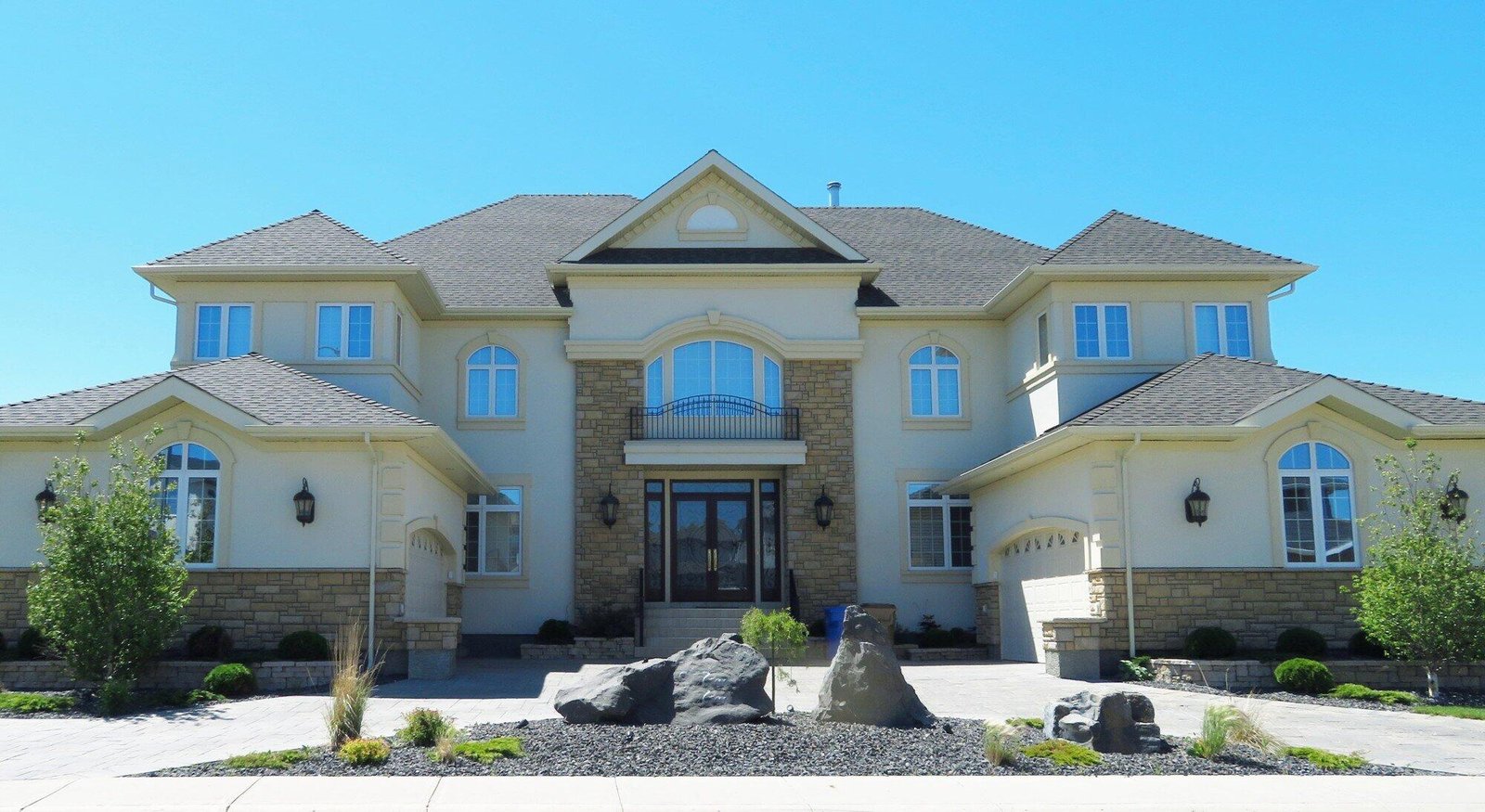
Luxury real estate is changing as buyers expect more than design and location. Environmental responsibility now plays a central role in high end property decisions.
Sustainable practices in luxury real estate help protect long term value and daily comfort. They also align with modern expectations of efficiency and responsibility. Buyers want homes that reflect awareness and smart planning.
Developers and owners respond by updating how properties are built and managed. Explore the sections below to see how sustainable practices in luxury real estate can be applied in practical and effective ways.
Energy Efficient Building Design
Energy efficient design sets the foundation for sustainable luxury homes. It reduces long term energy demand while maintaining comfort and visual appeal. Thoughtful planning at this stage improves performance across the entire property.
Passive Design Principles
Passive design uses natural elements to control temperature and light. Building orientation helps manage heat gain and cooling needs. Proper shading reduces reliance on mechanical systems.
High Performance Insulation
Quality insulation stabilizes indoor temperatures throughout the year. It limits heat transfer between indoor and outdoor spaces. This reduces energy loss and improves overall comfort.
Advanced Window Systems
Modern window systems improve thermal performance. They limit heat gain while allowing natural light inside. This supports energy efficiency without affecting aesthetics.
Efficient Lighting Design
Lighting layouts focus on reducing unnecessary energy use. Natural light is maximized during daytime hours. Efficient fixtures lower electricity demand at night.
Optimized Airflow Planning
Airflow planning improves natural ventilation. It reduces the need for constant cooling. Indoor spaces remain comfortable and balanced.
Integrated Energy Modeling
Energy modeling predicts building performance before construction. It helps identify areas for improvement early. Adjustments lead to better efficiency outcomes.
Long Term Energy Cost Control
Efficient design lowers operational expenses over time. Energy usage becomes more predictable. This supports long term financial planning.
Comfort Without Compromise
Energy efficiency does not reduce luxury standards. Temperature control remains consistent across spaces. Comfort stays central to the design approach.
Design Flexibility for Future Upgrades
Efficient designs allow for future system upgrades. Infrastructure supports new technologies easily. Flexibility protects long term value.
Sustainable Material Selection
Material choices shape both quality and impact. Recycled and responsibly sourced materials reduce waste. Natural finishes improve indoor air quality. Long lasting materials reduce future replacements. Local sourcing lowers transport impact. Material transparency supports better decisions.
High quality still meets luxury standards. Sustainability and elegance work together. Materials also affect maintenance needs. Durable surfaces age more gracefully. Fewer replacements mean less disruption. Thoughtful selection supports responsible living.
Water Conservation Systems
Water efficiency is a priority in luxury homes. Low flow fixtures reduce water use without loss of comfort. Smart irrigation limits outdoor waste. Rainwater collection supports landscaping needs. Greywater systems reuse water safely. Leak detection prevents hidden damage.
These systems protect resources and lower costs. They also support long term resilience. Water management adds operational reliability. Usage becomes more predictable. Maintenance issues are detected early. Conservation supports future readiness.
Smart Home Technology Integration
Technology supports sustainable living when used wisely. Smart thermostats manage temperature efficiently. Automated lighting adjusts to real usage. Energy monitoring encourages better habits. Systems respond to weather conditions.
Remote access prevents wasted energy. These tools simplify daily control. Efficiency becomes effortless. Technology also improves convenience. Owners gain better awareness of usage. Adjustments happen in real time. Control supports smarter decisions.
Renewable Energy Integration
On site energy generation adds long term value. Solar systems reduce reliance on external sources. Battery storage supports stable energy use. Placement respects design and aesthetics. Systems scale with property needs. Energy independence improves reliability.
Owners gain more control over consumption. Sustainability becomes visible and practical. Renewable systems support future energy shifts. Operating costs become more predictable. Backup power improves security. Clean energy aligns with modern luxury values.
Indoor Environmental Quality
Healthy indoor spaces matter in luxury homes. Air filtration removes pollutants and allergens. Ventilation systems balance fresh air flow. Low emission materials protect air quality. Natural light improves mood and focus.
Acoustic planning reduces noise stress. Comfort supports well being every day. Quality living starts indoors. Indoor health affects daily performance. Clean air supports long term comfort. Lighting improves space usability. Environmental quality enhances overall satisfaction.
Landscape Design With Sustainability
Outdoor areas can support environmental goals. Native plants require less water. Soil management improves plant health. Shaded areas reduce heat buildup. Permeable surfaces manage rainwater flow. Biodiversity enhances outdoor appeal. Landscaping remains elegant and functional.
Nature becomes part of the design. Outdoor planning reduces maintenance demand. Plant selection supports local ecosystems. Water runoff stays controlled. Landscapes remain attractive year round.
Waste Reduction During Construction
Construction planning affects long term impact. Material planning reduces excess waste. Recycling programs divert usable materials. Modular methods improve efficiency. Clear processes limit unnecessary disposal.
Site management protects nearby areas. Responsible building shows foresight. Waste reduction supports smarter development. Clean sites improve safety. Material tracking improves accountability. Less waste lowers project costs. Planning supports smoother execution.
Long Term Property Durability
Durability supports sustainability over time. Strong materials resist wear and damage. Proper maintenance planning extends lifespan. Structural quality reduces major repairs. Weather resilience protects investment value. Longevity lowers environmental impact.
Owners benefit from stable performance. Quality planning pays off. Durable homes age with consistency. Repair frequency remains low. Performance stays predictable. Longevity supports responsible ownership.
Sustainable Luxury Interiors
Interior design also supports sustainability goals. Furniture made for longevity reduces turnover. Natural fabrics improve comfort and safety. Flexible layouts adapt to future needs. Timeless design avoids frequent redesigns.
Quality craftsmanship reduces waste. Luxury feels refined and responsible. Style remains enduring. Interior choices affect daily comfort. Durable finishes reduce maintenance. Layouts support long term use. Design remains relevant over time.
Efficient Heating and Cooling Systems
Heating and cooling systems drive energy use. High efficiency systems reduce demand. Zoning controls improve comfort control. Regular maintenance keeps systems effective. Smart controls adjust to usage patterns.
Reduced strain extends system life. Comfort remains consistent. Efficiency supports long term savings. System performance stays reliable. Energy waste is minimized. Indoor climate stays balanced. Operational costs remain stable.
Sustainable Certifications and Standards
Standards guide responsible development. Certifications provide clear benchmarks. They support transparency and trust. Buyers understand performance levels better. Compliance encourages better practices. Certification adds market value. It also signals commitment to responsibility.
Standards shape future expectations. Benchmarks simplify comparison. Documentation supports informed decisions. Accountability remains clear. Standards promote consistency.
Community Focused Development
Luxury developments affect surrounding areas. Sustainable planning respects local environments. Shared green spaces improve community health. Traffic planning reduces congestion. Local resources support regional growth.
Responsible development builds goodwill. Community integration matters. Long term success depends on balance. Developments influence daily life. Planning reduces social strain. Shared benefits improve acceptance. Harmony supports lasting value.
Technology for Resource Monitoring
Tracking resource use improves control. Real time data shows consumption patterns. Alerts highlight inefficiencies early. Monitoring supports informed decisions. Owners adjust habits easily. Systems improve accountability. Transparency encourages smarter use.
Data supports continuous improvement. Monitoring reduces unexpected costs. Trends guide future upgrades. Awareness improves efficiency. Control remains consistent.
Responsible Property Management
Property management practices influence sustainability outcomes. Preventive maintenance avoids major waste. Efficient scheduling reduces resource use. Staff training improves system performance. Clear policies support consistency. Monitoring ensures goals are met.
Well managed properties perform better. Sustainability requires daily attention. Oversight supports reliability. Planning avoids reactive fixes. Systems stay optimized. Management protects long term value.
Buyer Expectations and Market Demand
Buyer priorities continue to evolve. Sustainability now influences purchase decisions. Energy efficiency supports long term value. Buyers seek responsible luxury. Transparency builds trust in listings.
Features become selling points. Demand shapes future development. The market rewards smart choices. Awareness drives competition. Expectations continue to rise. Responsible homes attract attention. Demand supports innovation.
Investment Value of Sustainable Luxury Homes
Sustainable homes show strong investment appeal. Lower operating costs protect returns. Durability supports resale value. Energy efficiency attracts informed buyers. Risk exposure decreases over time. Market trends favor responsible properties. Value extends beyond appearance.
Sustainability supports financial confidence. Performance remains stable. Demand supports pricing strength. Operating predictability matters. Long term outlook stays positive.
Education and Expert Guidance
Expert input improves sustainable outcomes. Advisors help align goals with solutions. Education supports better owner decisions. Design teams apply best practices. If you readabout Mike Savage or explore industry insights, the focus often points to informed planning and long term thinking.
Clear guidance prevents costly mistakes. Knowledge supports smarter investments. Expertise drives better results. Collaboration improves execution. Planning stays realistic. Decisions remain future focused. Guidance strengthens confidence.
Future Trends in Luxury Sustainability
Luxury sustainability continues to advance. Technology will improve efficiency further. Materials will become more innovative. Regulations will raise standards. Buyer awareness will keep growing. Design will balance comfort and responsibility.
Forward thinking homes will lead the market. The future favors sustainable luxury. Adaptation becomes essential. Innovation shapes expectations. Flexibility supports longevity. Progress remains steady.
Learn to Incorporate Sustainable Practices in Luxury Real Estate
Sustainable practices in luxury real estate are now essential. They support comfort, efficiency, and long term value. Smart planning benefits both owners and the environment. Luxury and responsibility now move together.
Properties that adapt today remain relevant tomorrow. Sustainability improves operational stability. Market expectations continue to shift. Forward focused choices protect long term success.
Should you wish to read more, visit our blog. We’ve got more topics!

Rao Waqas is a passionate content writer who crafts engaging and insightful articles across diverse topics, helping readers stay informed and inspired.