
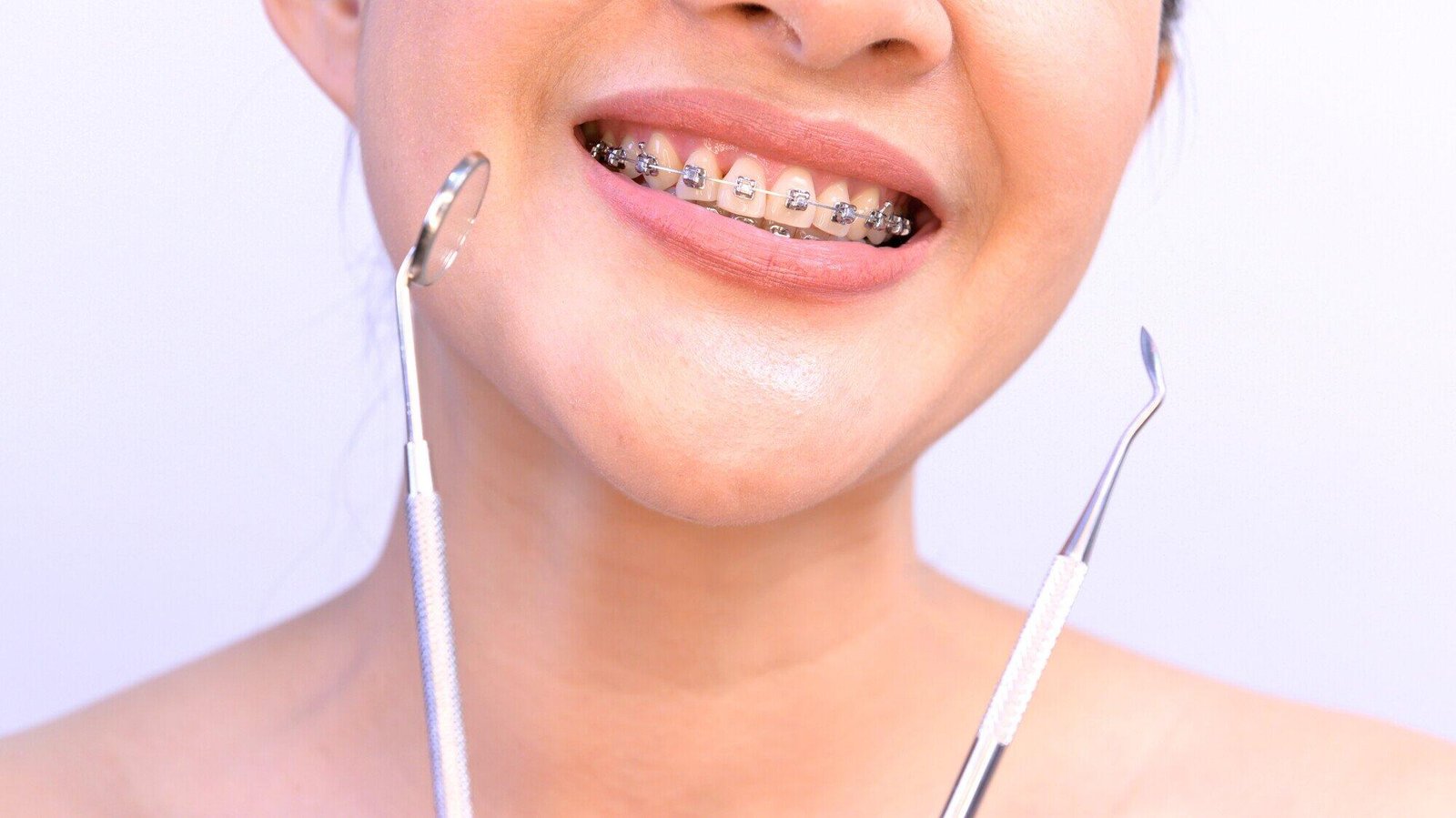
A straight smile often gets attention for how it looks, but alignment affects much more than appearance. Teeth that line up well can support comfort, function, and long-term oral health. Many people are surprised to learn how alignment plays a role in daily habits like eating and cleaning.
If you want to understand why alignment matters and how it supports a healthier mouth, keep reading to see the bigger picture and learn why care matters.
How Alignment Affects Daily Comfort
When teeth are not aligned, the mouth works harder than it should. Chewing may feel uneven, and certain teeth may take more pressure. Over time, this can lead to soreness in the jaw or fatigue when eating.
Proper alignment helps spread pressure evenly. This balance supports comfort and makes everyday actions feel easier. Small improvements can lead to noticeable relief during meals and conversations.
The Link Between Alignment and Oral Hygiene
Crowded or crooked teeth can be harder to clean. Tight spaces may trap food and plaque, even with regular brushing. This can raise the risk of cavities and gum issues.
Aligned teeth are easier to reach with a toothbrush and floss. Better access supports cleaner surfaces and healthier gums. Good alignment makes daily care more effective and less stressful.
Supporting Jaw Health and Bite Balance
The bite plays a major role in oral health. When teeth do not meet properly, the jaw may shift or strain to compensate. This imbalance can affect muscles and joints over time.
Correct alignment supports a balanced bite and it helps the jaw move smoothly and reduces strain. This balance protects both teeth and joints from excess wear. Professional orthodontics services provide guided care to improve tooth alignment and bite balance, supporting better oral health, comfort, and long-term smile confidence.
Preventing Long-Term Dental Issues
Misaligned teeth can wear down unevenly. Some teeth may chip or flatten faster than others. This uneven wear can lead to sensitivity or damage.
Proper alignment helps teeth last longer. By reducing stress on specific areas, it supports durability and strength. Preventive care now can reduce the need for repairs later.
Confidence That Comes From Comfort
While alignment is about health, confidence often follows. When teeth feel comfortable and work well, people tend to smile more freely. This confidence shows in social and professional settings.
Feeling at ease with your smile can improve daily interactions. Comfort and confidence often grow together when alignment improves.
The Role of Guided Care
Alignment care is most effective when guided by trained professionals. A thoughtful approach considers bite, spacing, and long-term health. Plans are shaped around individual needs.
Guided care focuses on steady progress and comfort. Understanding the process helps reduce worry and build trust.
A Healthier Smile Starts With Alignment
Proper alignment is about more than looks. It supports comfort, cleanliness, and lasting oral health. By understanding its impact, you can make informed choices that protect your smile for years to come.
Take time to learn your options, ask questions, and choose care that supports both function and confidence every day. Expand your knowledge and check out more posts on our blog!

Rao Waqas is a passionate content writer who crafts engaging and insightful articles across diverse topics, helping readers stay informed and inspired.