
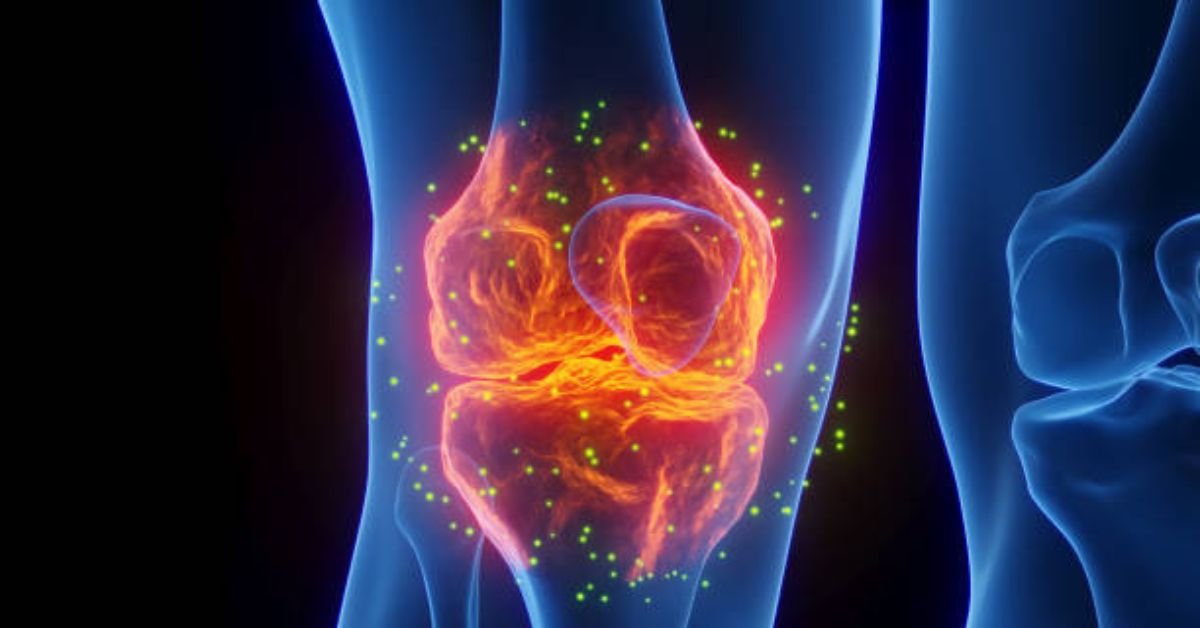
Varus stress refers to a force applied to a joint that pushes it inward, toward the midline of your body. When a healthcare provider performs a varus stress test, they’re applying controlled pressure to evaluate the integrity of specific ligaments that prevent your joint from moving in ways it shouldn’t.
Think of your ligaments as the body’s natural seat belts—they keep your joints stable and prevent excessive movement that could cause damage. When these ligaments are torn or stretched, your joint becomes unstable, leading to pain, weakness, and an increased risk of further injury.
The varus stress test is particularly important because ligament injuries don’t always show up on X-rays. While imaging can reveal bone fractures, ligament damage often requires physical examination techniques like stress testing to diagnose accurately. This makes the varus stress test an essential tool in any orthopedic examination.
Understanding Varus Stress Testing: The Fundamentals
Varus stress testing involves applying a specific directional force to a joint while it’s positioned at particular angles. The examiner applies pressure that attempts to open up the outer (lateral) side of the joint while compressing the inner (medial) side.
During a varus stress test knee examination, you’ll typically be lying down or sitting while your healthcare provider stabilizes one part of your leg and applies gentle but firm pressure to another part. They’re feeling for excessive movement, gaps in the joint space, or what’s called an “endpoint”—the point where the ligament naturally stops the joint from moving further.
The key aspects of proper varus stress testing include:
Patient Positioning: Correct positioning ensures accurate results and patient comfort. Your joint needs to be accessible and relaxed for the examiner to properly assess ligament integrity.
Angle of Testing: Different angles stress different parts of the ligament. For knee testing, examiners typically test at both 0 degrees (full extension) and 30 degrees of flexion to evaluate different ligament structures.
Force Application: The pressure applied should be firm enough to stress the ligament but gentle enough to avoid causing additional injury or unnecessary pain.
Comparison Testing: Healthcare providers almost always compare the injured side to the uninjured side, giving them a baseline for what’s normal for your body.
Varus Stress Test for Knee: Assessing Lateral Collateral Ligament Integrity
The varus stress test knee examination is primarily used to evaluate the lateral collateral ligament (LCL), one of four major ligaments that stabilize your knee joint. The LCL runs along the outside of your knee, connecting your thighbone (femur) to your fibula, the smaller bone in your lower leg.
LCL injuries are less common than injuries to the medial collateral ligament (MCL) on the inside of the knee, but they can be just as debilitating. These injuries typically occur from direct blows to the inside of the knee that force it outward, or from twisting motions that stress the outer knee structures.
How the Knee Varus Stress Test Is Performed
During a varus knee stress test, you’ll lie on your back on an examination table. Your healthcare provider will:
- Position your leg with the knee slightly bent, usually around 20-30 degrees
- Place one hand on the outer (lateral) side of your knee
- Place their other hand on the inner (medial) side of your ankle or lower leg
- Apply inward pressure at the ankle while stabilizing the knee
- Feel for excessive joint opening on the lateral side
- Repeat the test with your knee fully extended
- Compare the results to your opposite, uninjured knee
The test is considered positive if there’s excessive opening of the joint space on the lateral side, indicating LCL damage. The degree of opening helps classify the injury severity—from grade I (mild stretching) to grade III (complete tear).

What Your Results Mean
If your varus stress test for knee shows normal results, your LCL is likely intact and functioning properly. A positive test, however, suggests varying degrees of ligament injury:
Grade I Injury: Mild tenderness and minimal joint opening. The ligament is stretched but not torn.
Grade II Injury: Moderate pain and some joint laxity. Partial tearing of ligament fibers has occurred.
Grade III Injury: Significant joint opening with a mushy or absent endpoint. Complete ligament rupture.
Valgus Varus Stress Test: Understanding the Difference
One of the most confusing aspects of joint examination is understanding valgus vs varus stress testing. While they sound similar, these tests evaluate completely different structures and involve opposite directional forces.
Varus vs Valgus Stress: The Key Distinctions
Varus Stress pushes the joint inward toward the body’s midline. It tests the lateral (outer) ligaments. Think of “varus” as forcing the joint into a bow-legged position.
Valgus Stress pushes the joint outward away from the body’s midline. It tests the medial (inner) ligaments. Think of “valgus” as forcing the joint into a knock-kneed position.
A helpful memory trick: “VaLgus tests Lateral structures” isn’t actually correct—valgus tests medial structures. Instead, remember “VaRus tests the Right side when examining the right knee” (the lateral or right side of the right knee).
Valgus and Varus Stress Test Knee: Comprehensive Assessment
When evaluating knee injuries, healthcare providers often perform both valgus and varus stress tests as part of a comprehensive ligament assessment. This dual approach provides a complete picture of knee stability.
The valgus and varus stress test knee examination helps identify:
- Which ligaments are injured
- The severity of ligament damage
- Whether multiple ligaments are affected
- The stability of the joint in different positions
- The need for imaging or further diagnostic testing
Performing both tests is particularly important after significant trauma, such as car accidents or high-impact sports injuries, where multiple ligament injuries commonly occur together.
Valgus Varus Stress Test Elbow: Beyond the Knee
While knee assessment is the most common application, the valgus varus stress test elbow examination is equally important in upper extremity orthopedics. The elbow has its own set of collateral ligaments that provide stability during arm movements.
Elbow Varus Stress Testing
The varus stress test at the elbow evaluates the lateral collateral ligament complex, which prevents the elbow from bowing outward. This test is performed with the patient’s elbow slightly flexed (about 20-30 degrees) while the examiner applies an inward force to the forearm.
Lateral elbow ligament injuries are less common than medial injuries but can occur from:
- Falls onto an outstretched hand
- Direct blows to the inside of the elbow
- Repetitive stress from certain occupational activities
- Dislocations or fracture-dislocations
Elbow Valgus Stress Testing
The valgus stress test at the elbow is more commonly positive, especially in throwing athletes. This test evaluates the ulnar collateral ligament (UCL), which is frequently injured in baseball pitchers, javelin throwers, and other overhead athletes.
The infamous “Tommy John surgery” repairs this exact ligament when conservative treatment fails. During the valgus stress test, the examiner applies an outward force to the forearm while the elbow is flexed, feeling for excessive joint opening on the medial side.
Varus Valgus Stress Test: Clinical Significance and Interpretation
The varus valgus stress test combination provides healthcare providers with critical information that guides treatment decisions. Understanding what these tests reveal helps patients participate more actively in their care decisions.
When Are These Tests Ordered?
Healthcare providers perform varus and valgus stress tests when patients present with:
- Acute knee or elbow pain following injury
- Joint instability or a feeling of “giving way”
- Swelling localized to one side of the joint
- History of direct trauma to the joint
- Chronic joint pain in athletes
- Follow-up assessment after ligament injury
Factors Affecting Test Accuracy
Several factors can influence the accuracy of varus stress testing:
Patient Muscle Guarding: When patients tense their muscles due to pain or anxiety, it can mask true ligament laxity. This is why patient relaxation is crucial.
Timing of Examination: Acute swelling can make assessment difficult. Sometimes tests are repeated after swelling reduces.
Examiner Experience: Skilled practitioners can detect subtle differences that less experienced examiners might miss.
Body Habitus: Patients with naturally loose ligaments (ligamentous laxity) may have more joint movement even without injury.
Knee Valgus and Varus Stress Test: Advanced Diagnostic Techniques
Modern medicine has enhanced traditional varus stress testing with technological advances that provide more objective measurements.
Instrumented Stress Testing
Some advanced orthopedic centers use specialized devices that measure the exact amount of joint opening during stress testing. These instruments provide numerical values that can be compared over time, offering more precise tracking of healing or deterioration.
Stress Radiography
Combining stress testing with X-ray imaging allows visualization of the joint space during stress application. This technique can reveal subtle instabilities that might be missed during manual examination alone.
MRI Under Stress
In select cases, MRI scans performed while stress is applied to the joint can show ligament tears and associated injuries with exceptional detail.
Varus Stress Test Interpretation: What Happens Next?
After your healthcare provider completes the varus stress test knee or elbow examination, they’ll discuss the findings and develop a treatment plan tailored to your specific injury.
Treatment Pathways Based on Results
Negative Test Results: If your stress tests are normal, your symptoms likely stem from other structures like muscles, tendons, or cartilage. Further evaluation may be needed.
Grade I Injuries: Conservative treatment with rest, ice, compression, elevation (RICE), and physical therapy usually leads to full recovery within 2-6 weeks.
Grade II Injuries: These moderate injuries require more extensive rehabilitation, possibly including bracing and a structured physical therapy program lasting 6-12 weeks.
Grade III Injuries: Complete ligament tears often require surgical consultation. Some heal well with intensive non-operative management, while others need surgical reconstruction.
The Role of Physical Therapy
Regardless of injury grade, physical therapy plays a crucial role in recovery from ligament injuries. A skilled physical therapist will guide you through:
- Range of motion exercises to prevent stiffness
- Strengthening exercises to support the injured joint
- Proprioceptive training to restore balance and coordination
- Gradual return to sport or activity protocols
- Techniques to prevent re-injury
Valgus and Varus Stress: Biomechanical Considerations
Understanding the biomechanics of valgus and varus stress helps explain why certain activities or positions increase injury risk.
Daily Activities That Create Varus Stress
Your knee experiences varus stress during:
- Walking on sloped surfaces with the downhill leg
- Cutting movements toward your planted leg’s outside
- Lateral lunging exercises
- Getting in and out of cars on the driver’s side
- Certain yoga poses that require external leg rotation
Sports-Specific Varus Stress
Athletes in certain sports face higher varus stress exposure:
Soccer: Lateral movements and cutting create significant varus forces on the planted leg.
Basketball: Jump landings and defensive slides stress the lateral knee structures.
Skiing: The mechanics of turning and edge control place the outside ski’s knee under varus stress.
Tennis: Quick lateral movements and direction changes stress the lateral knee ligaments.
Varus and Valgus Stress Test: Patient Experience and Preparation
If you’re scheduled for a varus and valgus stress test, knowing what to expect can reduce anxiety and help you prepare effectively.
Before Your Examination
Wear Appropriate Clothing: Choose shorts or loose pants that can be easily rolled up to expose your knee or a shirt that allows elbow access.
List Your Symptoms: Write down when pain occurs, what activities worsen it, and any previous injuries to the joint.
Medication Considerations: Inform your provider about pain medications you’ve taken, as they might mask important clinical signs.
Relax Your Muscles: During the exam, try to keep your muscles relaxed even though you might be anxious. Muscle tension can affect test accuracy.
During the Test
The examination typically takes just a few minutes per joint. You might experience:
- Mild to moderate discomfort when pressure is applied
- A feeling of instability if ligaments are injured
- Apprehension when the examiner stresses an injured area
- Clicking or popping sensations (which should be reported)
After the Test
Post-examination, you might notice:
- Temporary increase in pain or swelling from the manipulation
- Better understanding of your injury and treatment options
- Possible referral for imaging studies
- Prescription for physical therapy or other treatments
Fun Section: Varus Stress Testing Through History
The varus stress test wasn’t always the refined clinical procedure we know today. Early orthopedic pioneers developed these techniques through observation, trial and error, and sometimes accidental discoveries.
The Evolution of Stress Testing
In the early 20th century, orthopedic surgeons relied heavily on X-rays and patient history alone. Physical examination techniques like stress testing emerged as doctors realized that ligaments—invisible on standard radiographs—played crucial roles in joint stability.
The development of formalized stress testing protocols paralleled the growth of sports medicine as a specialty. As athletic participation increased in the mid-1900s, so did the need for better diagnostic techniques to evaluate sports injuries.
Interesting Clinical Pearls
The “Opening” Measurement: Experienced examiners can detect joint opening of just 1-2 millimeters—about the thickness of a dime—through their fingertips alone.
Bilateral Comparison: Some people have naturally loose ligaments (benign hypermobility), which is why comparing injured to uninjured sides is essential. What seems like excessive movement might be normal for that individual.
The Endpoint Feel: Skilled examiners describe different “endpoint feels”—firm, soft, mushy, or absent—which provide clues about injury severity and tissue quality.

Creative Corner: Protecting Your Ligaments in Everyday Life
While you can’t prevent all injuries, understanding varus and valgus stress can help you protect your joints during daily activities.
Smart Movement Strategies
During Exercise: When performing lunges or squats, keep your knees aligned over your toes rather than letting them collapse inward or bow outward excessively.
On Uneven Terrain: Pay extra attention when walking on slopes, as these create increased varus or valgus forces depending on which leg is downhill.
Athletic Training: Incorporate balance and proprioception exercises into your routine to train your body to protect joints automatically.
Proper Footwear: Shoes with good lateral support help control excessive varus and valgus motion, particularly during sports.
Strengthening Exercises for Joint Protection
Building strength in the muscles surrounding your knees and elbows provides dynamic stability that complements ligament function:
For Knees: Hip abductor and adductor strengthening, quadriceps exercises, and hamstring work all contribute to knee stability.
For Elbows: Forearm strengthening, wrist stability work, and shoulder girdle exercises protect the elbow joint.
Core Stability: A strong core provides a stable foundation that reduces stress on extremity joints during movement.
Is Varus Stress Testing Reliable? An Honest Assessment
Like any medical test, varus stress testing has strengths and limitations that patients should understand.
The Strengths of Stress Testing
Immediate Availability: No expensive imaging equipment needed—just a skilled examiner’s hands and knowledge.
Dynamic Assessment: Tests ligaments under conditions that simulate actual joint stress, unlike static imaging.
Cost-Effective: As a component of physical examination, stress testing adds no extra cost to your visit.
Bilateral Comparison: Direct side-to-side comparison provides personalized baseline data specific to your body.
Guides Treatment: Results directly influence treatment decisions and prognosis.
Limitations to Consider
Examiner Dependent: Results can vary based on the examiner’s skill and experience.
Patient Factors: Muscle guarding, pain, or anxiety can affect accuracy.
Timing Issues: Acute swelling can obscure findings, sometimes requiring repeat examination.
Isolated Assessment: Stress tests evaluate one specific structure and may miss associated injuries.
Subjective Elements: Despite attempts at standardization, some interpretation remains subjective.
The Bottom Line
When performed by experienced healthcare providers, varus and valgus stress tests are highly reliable diagnostic tools. They work best as part of a comprehensive evaluation that includes patient history, physical examination, and appropriate imaging studies when indicated.
Frequently Asked Questions About Varus Stress Testing
What is the difference between varus and valgus stress tests?
Varus stress tests evaluate lateral (outer) ligament stability by applying inward force toward the body’s midline, while valgus stress tests assess medial (inner) ligament stability by applying outward force away from the midline. They test opposite sides of the same joint.
How painful is a varus stress test for the knee?
Most patients experience mild to moderate discomfort during the test, especially if ligaments are injured. The test should not cause severe pain, and examiners modify their technique based on patient tolerance. Brief discomfort during testing is normal and expected.
Can a varus stress test detect ACL tears?
No, the varus stress test specifically evaluates the lateral collateral ligament (LCL). ACL tears require different examination techniques like the Lachman test or anterior drawer test. However, comprehensive knee examinations often include multiple tests to evaluate all major ligaments.
How long does it take to heal from a positive varus stress test?
Healing time depends on injury severity. Grade I injuries typically heal in 2-6 weeks, grade II injuries require 6-12 weeks, and grade III complete tears may need 3-6 months or longer, potentially requiring surgery.
Should I get an MRI if my varus stress test is positive?
Not always. Many grade I and II ligament injuries can be managed based on clinical examination alone. Your healthcare provider will recommend MRI if there’s concern for associated injuries, surgical planning is needed, or diagnosis remains unclear.
Can I walk after a positive varus stress test knee examination?
Walking ability depends on injury severity and associated injuries. Many people with isolated LCL injuries can walk, though they may experience pain or instability. Your healthcare provider will advise on weight-bearing restrictions based on your specific injury.
What does a valgus varus stress test elbow show?
The elbow varus stress test evaluates the lateral collateral ligament complex, while the valgus test assesses the ulnar collateral ligament. Together, these tests provide comprehensive assessment of elbow ligament stability, particularly important for throwing athletes.
Are there any risks to varus stress testing?
The test is very safe when performed correctly. Theoretical risks include worsening an existing injury or causing excessive pain, but skilled examiners modify their technique to prevent these issues. The benefits of accurate diagnosis far outweigh minimal risks.
How accurate are varus and valgus stress tests?
When performed by experienced clinicians, these tests have good to excellent accuracy for detecting significant ligament injuries. Accuracy improves when tests are combined with patient history, clinical examination findings, and imaging when appropriate.
Can physical therapy help if my varus stress test shows ligament damage?
Yes, physical therapy is a cornerstone of treatment for most ligament injuries. Therapists design programs to reduce pain, restore range of motion, strengthen supporting muscles, and safely return you to activities. Even grade III injuries sometimes heal well with structured rehabilitation.
Conclusion
Understanding varus stress testing empowers you to be an active participant in your musculoskeletal healthcare. Whether you’re an athlete concerned about performance, a weekend warrior managing an injury, or someone simply wanting to maintain healthy joints, knowledge about how these diagnostic techniques work helps you make informed decisions.
The varus stress test for knee and elbow assessment represents just one tool in the comprehensive evaluation of joint injuries, but it’s a critical one. Combined with thorough patient history, comprehensive physical examination, and appropriate imaging when needed, stress testing provides the diagnostic foundation for effective treatment planning.
CLICK HERE FOR MORE BLOG POSTS

John Authers is a seasoned and respected writer whose work reflects the tone, clarity, and emotional intelligence that readers value in 2025. His writing blends deep insight with a natural, human voice—making complex ideas feel relatable and engaging. Every piece he crafts feels thoughtful, original, and genuinely worth reading.