
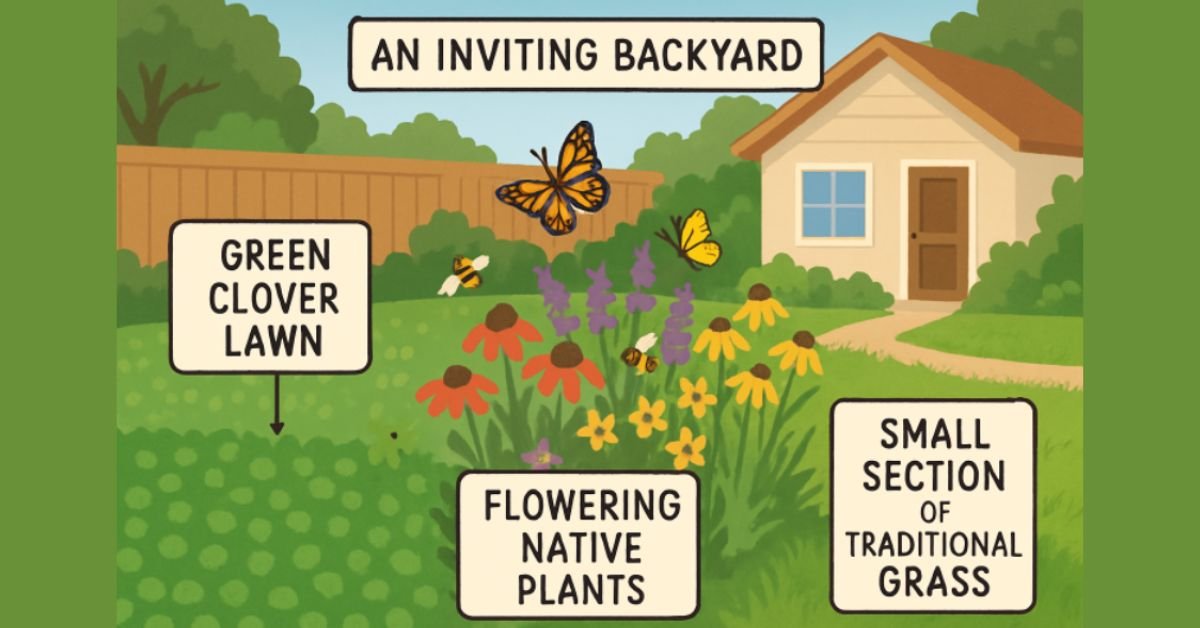
Striving for a beautiful lawn doesn’t have to mean sacrificing environmental responsibility. Modern homeowners are increasingly opting for sustainable landscapes that minimize water usage, reduce chemical dependency, and support native wildlife. Whether you’re reshaping a traditional lawn or starting fresh, smart choices make a world of difference for your yard and your community. If you’re seeking innovative and efficient options such as Los Angeles hydroseeding, there are environmentally sound practices to suit every climate and taste.
Eco-friendly lawns aren’t only about saving the planet; they deliver practical benefits. You’ll cut maintenance costs, reduce odors and airborne chemicals, and enhance the biodiversity that keeps your outdoor spaces naturally thriving. Initiating these changes may seem overwhelming, but the transition is easier with step-by-step adjustments that make an immediate impact. As the conversation around sustainability grows, more homeowners recognize that smart lawn care can be both responsible and visually striking.
From drought-prone neighborhoods to rain-soaked suburbs, lawn alternatives like clover or native gardens are taking root across the country. The shift from conventional grass to more sustainable options not only limits your use of fertilizers and water but can also support pollinators, which are essential to broader ecological stability. Simply put, a greener approach at home radiates positive effects far beyond your fence line.
Local agencies and community organizations increasingly encourage sustainable landscaping by offering rebates or educational resources. Reducing how much you mow or swapping in native ground covers can save you time and energy while also benefiting the ecosystem. The robust lawn of the future is attractive, resilient, and plays an integral role in healthier communities for generations to come.
Rethinking Traditional Lawns
Lawns with non-native turfgrass have long been a suburban standard, but this tradition consumes an extraordinary amount of water, fertilizer, and chemicals. According to the Environmental Protection Agency, landscape irrigation accounts for almost one-third of all residential water use in the United States, nearly 9 billion gallons per day. Frequent mowing and chemical treatments can diminish soil quality, pollute waterways, and disrupt beneficial insect populations, underscoring the need for alternatives that are easier on the earth.
As regions face more frequent droughts and tighter water restrictions, interest in xeriscaping with drought-resistant plants to drastically reduce irrigation continues to rise. Xeriscaping not only conserves water but also creates visually appealing landscapes that thrive with minimal intervention.
Clover Lawns: A Sustainable Alternative
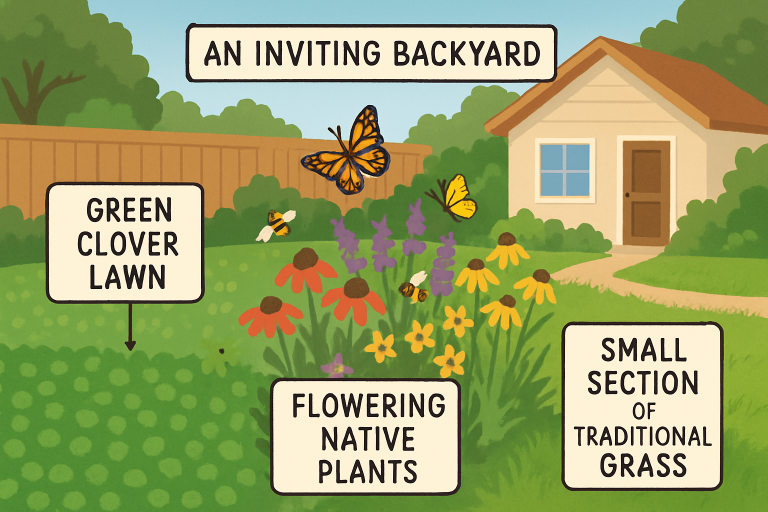
Clover lawns represent a remarkable shift toward sustainability in residential landscapes. Unlike traditional grass, clover is naturally drought-tolerant, remains green later into the summer, and maintains an attractive appearance without the need for commercial fertilizers, thanks to its natural nitrogen-fixing abilities. These qualities make clover ideal for homeowners who want to reduce both expenses and environmental impact.
Beyond its resilience, clover supports local ecosystems by attracting pollinators such as bees and butterflies. It grows thick and suppresses weeds, reducing the need for frequent mowing or herbicides. The enthusiastic embrace of clover by eco-conscious homeowners highlights a broader cultural movement to reconsider what’s possible and beautiful in modern yards.
Native Plant Gardens
Landscaping with native plants provides beauty, structure, and sustainability right in your backyard. Native species require less water and care than their exotic counterparts, adapting far better to local soils, weather, and pest pressures. These plants also provide crucial food and habitat for local songbirds, insects, and pollinators. Installing a native plant garden can lower your utility bills, eliminate the need for synthetic chemicals, and foster a thriving ecosystem outside your window.
Initiatives and rebates from local governments often encourage these choices, making it easier to transition from traditional turf to native gardens. In addition to conserving resources, native plant gardens have been shown to offer mental health advantages, helping individuals connect with nature and increase their sense of well-being.
Organic Lawn Care Practices
Switching to organic methods helps eliminate chemical exposure for families, pets, and local wildlife. These practices build healthy soil and naturally resilient turf:
- Composting: Adding compost infuses your lawn with rich nutrients, supports beneficial microorganisms, and improves water retention and soil structure.
- Grasscycling: Leave grass clippings on the lawn when mowing; they break down quickly and return nutrients to the soil, reducing the need for store-bought fertilizers.
- Organic Fertilizers: Apply slow-release, natural products like seaweed or bone meal to nourish lawns while reducing chemical runoff and supporting soil biology.
Over time, organic approaches yield healthier, more robust grasses and enhanced ecosystem resilience.
Water Conservation Strategies
Water-smart practices are crucial for eco-friendly lawn care and compliance with evolving municipal regulations. Key approaches include:
- Deep, Infrequent Watering: Watering less often but more deeply encourages stronger root systems and helps grass endure dry spells.
- Early Morning Irrigation: Watering before the sun peaks reduces evaporation and helps keep diseases at bay.
- Rain Barrels & Greywater: Diverting rainwater or lightly used household water for lawn irrigation further decreases demand on public water supplies.
Simple equipment updates, like installing a rain sensor or drip irrigation, can have a significant impact on reducing overall water use.
Natural Pest Management
Effective pest management can often be achieved without synthetic chemicals. Sustainable lawns rely on smart plant pairings, beneficial insects, and spot treatments with non-toxic solutions. Integrating ladybugs, lacewings, or nematodes addresses many pest problems before they get out of control. Companion planting, the practice of positioning mutually beneficial plants together, boosts garden resilience and minimizes pests naturally. When outbreaks do occur, organic solutions like neem oil or insecticidal soaps can contain the problem without harming the broader lawn ecosystem.
Reducing Lawn Size
Shrinking traditional lawn areas pays off in saved time, money, and environmental resources. Consider no-mow zones planted with wildflowers or sedges that require little more than seasonal attention. Ground covers such as Irish moss or creeping thyme give lasting greenery with less water and care than turfgrass. Designing edible landscapes with herbs and vegetables not only replaces sections of lawn but also yields healthy food for your family.
Implementing these alternatives transforms the character of your outdoor spaces, empowering you to play a proactive role in sustaining your local ecosystem. These creative solutions bring lasting beauty and purpose to any home landscape.
Conclusion
Transitioning to eco-friendly lawn solutions is both an ethical and practical evolution for today’s homeowner. With water conservation, organic maintenance, and intelligent design, you can achieve a vibrant landscape that showcases your environmental values while requiring less work and fewer resources. Beautiful, resilient yards that support local wildlife and reduce your carbon footprint aren’t just trends they are the future of home landscaping.

Ethan Cole is a passionate blogger at Aldalive.com, sharing fresh ideas and engaging content on lifestyle, technology, and everyday trends. With a love for writing and exploring new topics, Ethan aims to make information simple, useful, and inspiring for readers worldwide.