
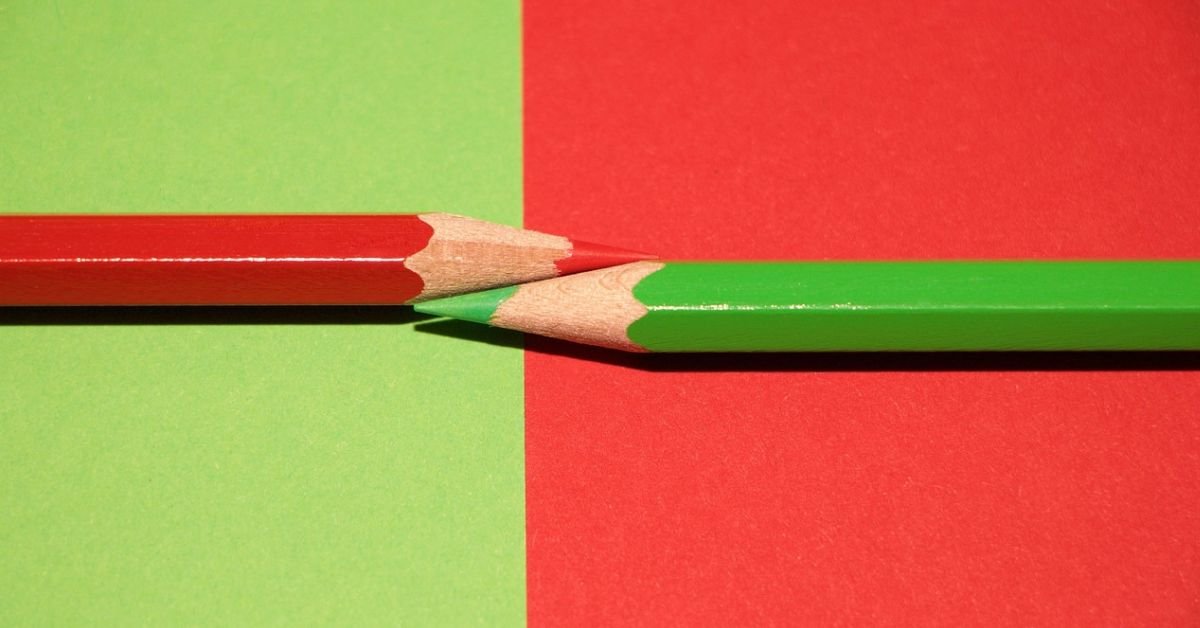
Green and red make what colour we need to understand the fundamentals of colour theory. When we mix red and green, we’re essentially combining two primary colours (or close to it, since green is a mixture of blue and yellow). The resulting colour is often a shade of brown.
The Science Behind Red and Green Makes What Colour Paint
When you mix red and green paint, you’re creating a new hue that’s a combination of the two. The exact shade depends on the proportions of each colour used. For instance, if you add more red than green, you’ll get a reddish-brown colour, while adding more green will result in a greenish-brown hue. This is because the pigments in the paint absorb and reflect different wavelengths of light.
The colour combination of red and green is often associated with a festive or holiday theme. However, when it comes to art and design, understanding the meaning behind this combination is crucial. The green and red color combination meaning can vary depending on the context, but it’s often linked to feelings of energy, harmony, and balance.
Debunking the Myth: Red and Green Make Yellow?
One common misconception is that mixing red and green will produce yellow. However, this is not entirely accurate. While it’s true that, in some cases, combining red and green light can create a shade of yellow or yellowish hue, this doesn’t apply to pigments or paints. As we discussed earlier, mixing red and green paint typically results in a shade of brown.
Red and green make yellow? The answer lies in the difference between additive and subtractive colour mixing. When you mix light (additive), the combination of red and green can produce a yellowish hue. However, when working with pigments (subtractive), the result is a brownish colour.

Real-Life Applications: Exploring the World of Colour
Imagine you’re designing a logo for a company that wants to convey a sense of energy and harmony. You might consider using a combination of red and green to achieve this. By understanding how to mix and match different colours, you can create a unique and captivating visual identity.
“I was trying to create a new brand identity, and I was stuck on the colour scheme. When I mixed red and green, I was surprised by the rich brown colour that emerged. It added a depth to my design that I wasn’t expecting!” – A designer’s experience.
Frequently Asked Questions
Q: What colour do you get when you mix red and green paint?
A: When you mix red and green paint, you typically get a shade of brown, depending on the proportions of each colour used.
Q: Is the combination of red and green a good idea for branding?
A: The green and red color combination meaning can be associated with energy and harmony, making it a viable option for branding. However, it ultimately depends on the context and the message you want to convey.
Q: Can I create a yellow colour by mixing red and green?
A: While mixing red and green light can produce a yellowish hue, combining red and green pigments will typically result in a brownish colour, not yellow.
Q: How do I achieve the perfect shade of brown when mixing red and green?
A: To achieve the perfect shade of brown, experiment with different proportions of red and green. You can also add other colours, like yellow or blue, to tweak the tone.
Conclusion
Colours and unraveled the mystery of “green and red make what colour”, it’s clear that understanding colour theory is essential for artists, designers, and anyone working with colours. By grasping the basics and experimenting with different combinations, you can unlock a world of creative possibilities.
CLICK HERE FOR MORE BLOG POSTS

John Authers is a seasoned and respected writer whose work reflects the tone, clarity, and emotional intelligence that readers value in 2025. His writing blends deep insight with a natural, human voice—making complex ideas feel relatable and engaging. Every piece he crafts feels thoughtful, original, and genuinely worth reading.