
Efficient data and asset storage are critical factors for businesses looking to drive productivity while minimizing unnecessary costs. From large corporations to lean startups, optimizing storage not only protects resources but also enhances workflow, keeping teams focused on innovation and customer satisfaction. Embracing new trends in commercial storage can be the difference between operational friction and seamless growth, particularly in today’s rapidly evolving business landscape.
Innovative storage solutions are designed to improve security, increase accessibility, and automate management—empowering teams to adapt quickly and remain competitive. This guide explores the core technologies and strategies redefining the modern workplace’s approach to storage, demonstrating how businesses can leverage these solutions to meet today’s evolving demands.
When combined with tailored storage services, businesses can further optimize their storage processes, reduce downtime, and provide better support for hybrid or mobile work environments.
Embracing Smart Storage Technologies
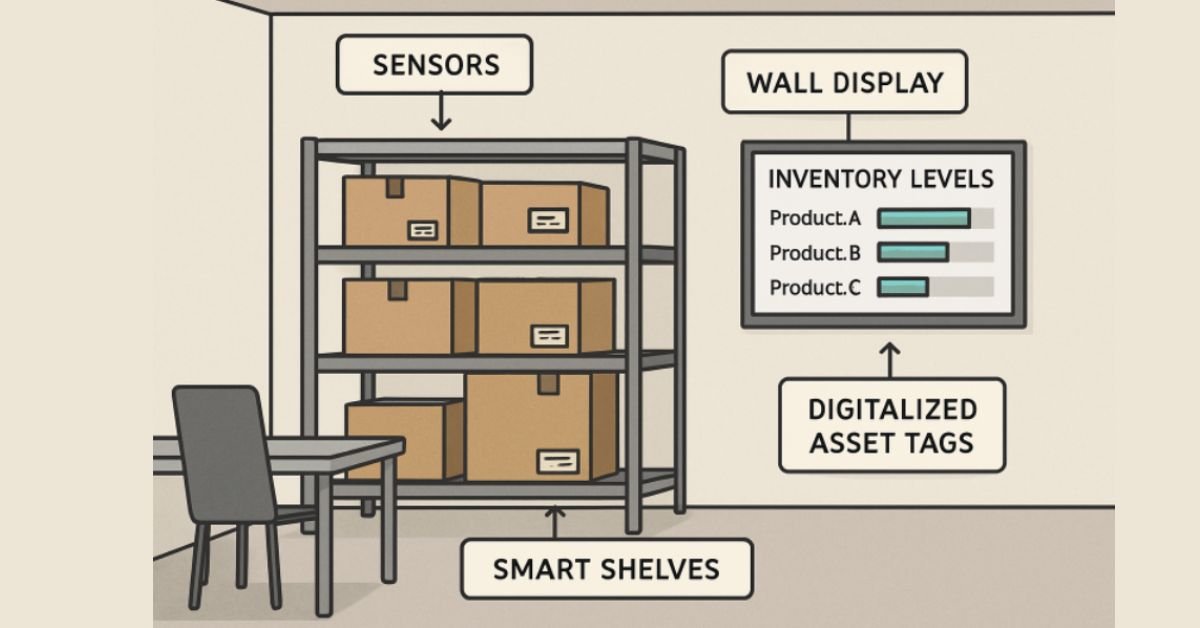
The workplace is undergoing a rapid transformation as digital technologies reshape how physical assets are managed and utilized. Internet of Things (IoT) devices add foresight to storage by enabling real-time status updates on inventory levels, environmental conditions, and asset locations. With this level of visibility, businesses can anticipate supply needs, detect issues before they escalate, and implement preventive measures swiftly.
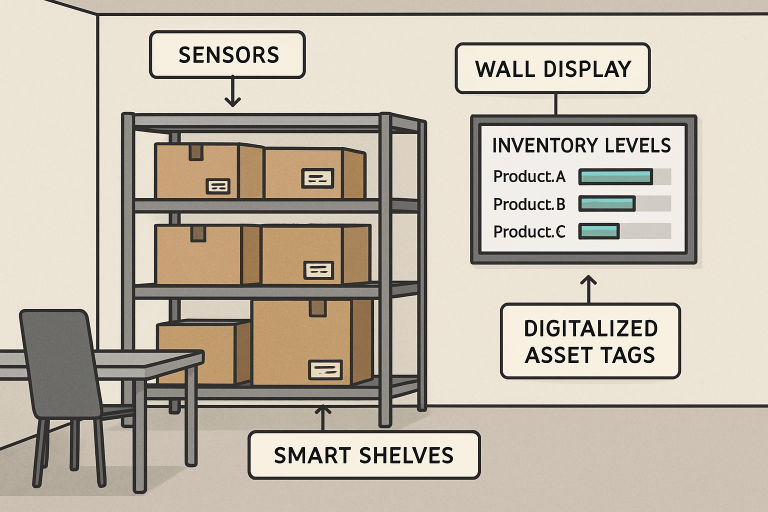
According to a recent Wired report, IoT-enabled storage represents a significant step toward automated facility management, offering benefits such as remote monitoring and improved resource utilization—key advantages as remote and hybrid work models become increasingly commonplace.
Implementing AI-Powered Solutions
Artificial Intelligence has emerged as a cornerstone of modern storage management. Through intelligent automation, AI reduces the burden of manual tracking, instantly flags discrepancies, and can even predict when and where storage resources will be needed most. AI-powered software analyzes usage data, optimizes layouts, and suggests adjustments for maximizing usable space. In addition to automation, AI-driven chatbots can provide instant assistance to customers and staff, resolving issues and ensuring round-the-clock support.
As highlighted in a Forbes piece, these AI integrations lead to more efficient supply chain management, giving businesses actionable intelligence to streamline input and output processes within their storage operations.
Customizing Storage for Industry-Specific Needs
Storage requirements are rarely one-size-fits-all. The healthcare, education, manufacturing, and retail sectors all have unique compliance, security, and accessibility needs. For example, hospitals must adhere to strict sterility protocols for storing medical equipment and drugs, while logistics companies prioritize the rapid retrieval and secure tracking of assets. Custom solutions—including modular shelving, climate control systems, and scalable digital tracking—ensure that storage setups are optimized for each industry’s specific workflow and regulatory requirements, supporting both compliance and efficiency.
Enhancing Security with Smart Lockers
Physical security is a top concern for businesses that manage sensitive documents or high-value inventory. Smart lockers, featuring electronic locks, one-time access codes, or biometric ID scans, transform traditional storage into tracked and highly secure hubs. These features enable easy control of access, maintain audit logs, and issue real-time alerts if items are accessed illicitly, thereby reducing the risk of theft or internal loss. Integration with mobile apps or cloud systems provides instant notifications and remote control capabilities.
Utilizing Mobile Storage Units
As offices and industrial floors become more agile, mobile storage solutions are gaining popularity. These movable units can be easily rearranged to fit changing workspace layouts, team configurations, or temporary project needs. Rolling cabinets, pop-up shelving, and modular bins create flexible work areas that can adapt quickly—an essential feature for businesses aiming to scale without disruption.
Implementing Inventory Management Systems
Modern inventory management systems integrate RFID tags and barcode scanners to provide precise, real-time tracking of everything from IT equipment to office supplies and company assets. Centralized dashboards offer a live inventory snapshot, expediting audits, minimizing loss, and improving resource allocation. A robust system helps managers reduce administrative overhead and quickly identify patterns that could lead to cost savings or risk reduction. For a deeper insight into the success of these platforms in diverse industries, The Wall Street Journal analyzes how big businesses streamline complex operations with these innovative tools.
Integrating Physical Security Enhancements
Securing assets today takes more than a strong lock and key. High-resolution cameras, controlled-access doors, and motion-sensing alarms provide early warning and deterrence for theft, unauthorized entry, or other disruptions. Integration with innovative storage technologies enables all logs, video footage, and alarms to be managed through a unified portal, allowing security teams to work more effectively and respond quickly in the event of an incident. This layered approach creates a comprehensive safety net for both assets and personnel.
Conclusion
Innovative storage solutions are reshaping business operations by enhancing efficiency, security, and adaptability across industries. Technologies such as IoT enable real-time monitoring of inventory and conditions, while AI-driven analytics support predictive management and more intelligent decision-making. Advanced security features further protect valuable assets and sensitive data, reducing risk and downtime. By investing in tailored, technology-driven storage strategies, organizations can streamline workflows, optimize space utilization, and respond quickly to changing market demands. These modern solutions deliver measurable performance improvements and long-term value, positioning forward-thinking businesses to maintain a competitive edge and achieve operational excellence in increasingly dynamic and demanding environments.

Ethan Cole is a passionate blogger at Aldalive.com, sharing fresh ideas and engaging content on lifestyle, technology, and everyday trends. With a love for writing and exploring new topics, Ethan aims to make information simple, useful, and inspiring for readers worldwide.