
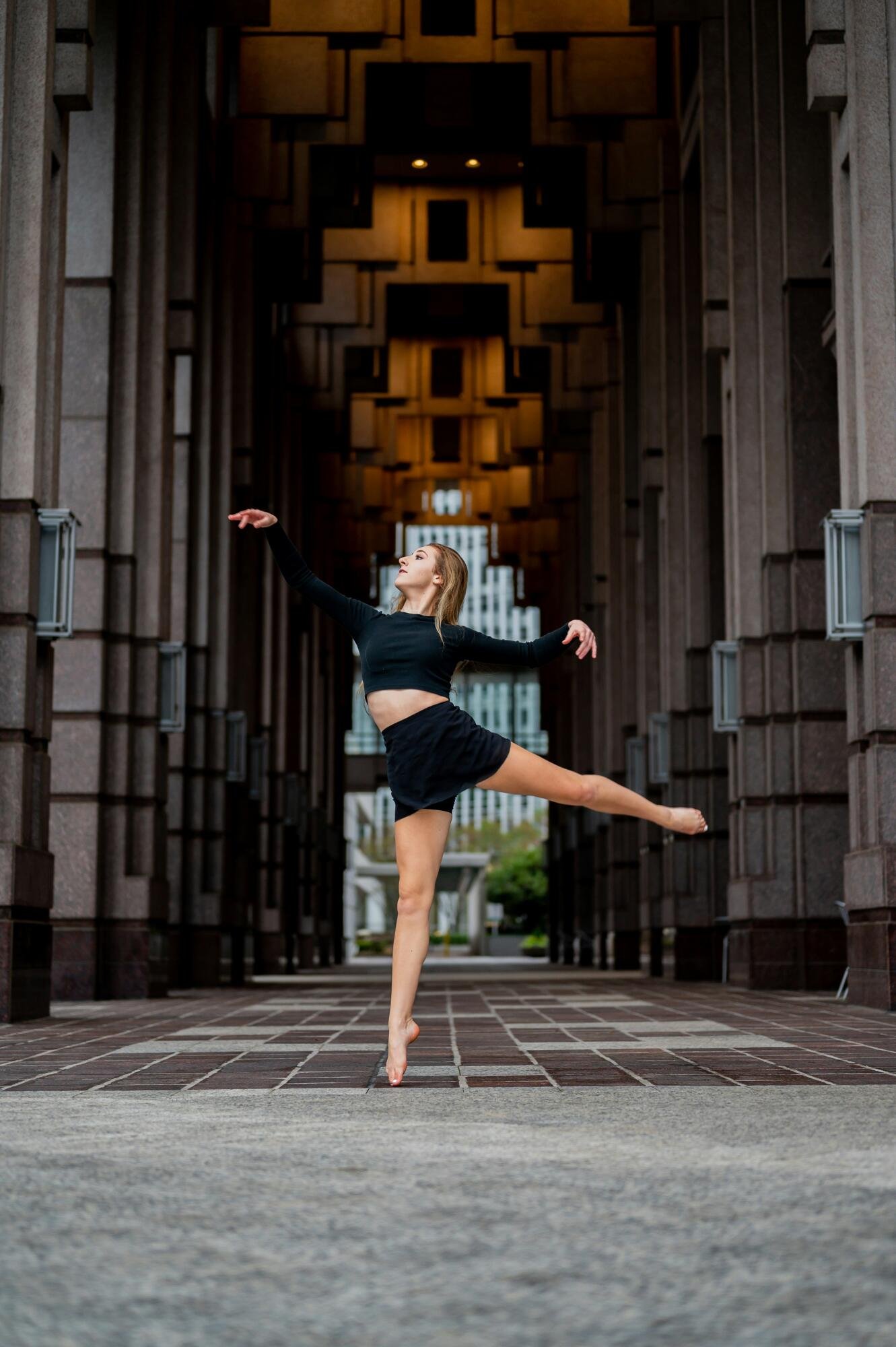
When it comes to dancing, the floor beneath your feet is just as important as your technique. The right dance floor can improve performance, prevent injuries, and make every movement feel smoother and more controlled.
Not all floors are created equal. Hardwood, vinyl, Marley, sprung floors, and portable surfaces each offer unique benefits. Understanding these options helps dancers, teachers, and studios pick the best fit for their needs.
Whether you are a professional dancer, a beginner, or managing a studio, knowing the right surface can make a big difference. For more info, keep on reading below.
Why Dance Flooring Matters
Dance is a high-impact activity that requires strength, balance, and flexibility. A poor floor can cause fatigue, joint pain, or even serious injuries like sprains or stress fractures. Floors that are too hard or too slippery limit movement, while floors that are too soft can affect stability and control.
A good dance floor absorbs shocks, provides safe traction, is durable, and stays consistent across the entire space. Investing in the right floor protects the body and enhances performance.
Hardwood Floors
Hardwood floors have been a staple in studios and theaters for decades. They offer a smooth, even surface that works well for ballet, jazz, tap, and contemporary dance.
Hardwood is durable, can be refinished when it wears down, and gives a natural feel for movements like jumps and turns. It also produces the clear, crisp sound that tap and jazz dancers appreciate.
However, hardwood alone can be hard on joints, so adding a sprung subfloor is recommended. Without it, long practice sessions may cause strain or fatigue. Proper care is essential to keep hardwood floors safe and effective.
Vinyl and Marley Floors
Vinyl floors, commonly called Marley floors, are another popular option. They are slip-resistant, smooth, and easy to clean, making them ideal for studios and performance spaces. Many dancers prefer Marley because it allows safe spins, slides, and footwork without feeling sticky or overly slick.
Marley floors are suitable for barefoot dancing, soft shoes, or even heels. They can also be rolled out for temporary spaces or events, which adds versatility for studios and traveling performers. Many dancers choose to shop Marley floor for their studio or home practice space to get a professional, reliable surface.
Sprung Floors
Sprung floors are designed to absorb shocks and reduce stress on the joints. These floors can be installed beneath hardwood or vinyl to create a combination of smoothness and cushioning. Sprung floors reduce the risk of injuries from repeated impact, which is especially important for jumps and fast movements and they also give energy back to the dancer, making movements feel lighter and more responsive.
While the installation cost can be higher and a professional setup is often needed, the benefits for serious dancers and busy studios are clear. A good sprung floor allows for longer practice sessions with less fatigue.
Portable and Roll-Out Floors
Portable floors are perfect for temporary spaces or events. They come in sheets or tiles that can be rolled out and anchored quickly. These floors are ideal for school events, community performances, or home practice.
Portable surfaces are safe and convenient, though they may have seams that slightly affect movement. Despite this, they offer many of the same benefits as permanent floors without a major installation. Portable floors are a great solution for dancers who need flexibility in their practice locations.
Dance Floor Finish and Traction
The finish and traction of a floor play a major role in how dancers perform. A floor that is too slippery increases the risk of falls, while a floor that grips too much can make turns and spins difficult. Studios often use rosin or non-slip coatings to achieve the right balance.
Keeping the floor clean and dry is essential, as dust and debris can change how the surface feels. Proper footwear that matches the floor type also improves performance and safety. Testing new floors for traction before heavy use ensures dancers can move confidently.
Choosing the Right Floor for Your Style
Different types of dance benefit from different surfaces. Ballet works best on sprung hardwood or Marley floors that provide smooth traction and cushioning.
Tap dancers thrive on hardwood or vinyl for clear sound and durability. Hip hop and street dance need floors that absorb impact and allow quick footwork, which makes sprung or vinyl surfaces ideal.
Ballroom dancers benefit from smooth, polished floors that allow sliding and turning. Contemporary dancers prefer Marley or sprung floors that support a mix of jumps, floor work, and fluid movement. Choosing a floor that matches your style improves performance, reduces injuries, and makes practice more enjoyable.
Maintenance Tips
Even the best dance floor will not last without regular care. Sweeping or vacuuming every day removes dust, dirt, and small debris that can make the surface slippery or cause scratches. Wiping the floor with a damp cloth or using a recommended cleaning solution keeps it smooth and safe for dancing.
Check the floor often for cracks, warping, or loose tiles, and never drag heavy equipment across it, as this can cause damage. For permanent floors, having a professional inspection once in a while can catch hidden issues and ensure long-term safety. It is also important to control the room environment: keep humidity and temperature steady to prevent the floor from expanding or shrinking.
Using proper footwear and mats at entrances can reduce dirt and wear. A well-maintained floor not only protects your investment but also supports dancers by reducing the risk of slips, falls, and injuries, helping everyone move with confidence.
Learning More About Dancing Floors
Your dance floor affects how well and safely you move. Hardwood, Marley, sprung, and portable floors all have different benefits, and the best choice depends on your style, space, and budget.
The right floor makes every step easier and more controlled. Choosing, installing, and caring for your floor helps you move smoothly, jump safely, and dance better overall.
A good floor works with your body, letting you dance with confidence and ease. Whether you are a beginner, a professional, or run a studio, picking the right floor is one of the most important decisions for your dancing.
For more related topics, check out the rest of our blog!

Rao Waqas is a passionate content writer who crafts engaging and insightful articles across diverse topics, helping readers stay informed and inspired.