
Trees give shade, beauty, and a sense of calm to our homes and streets. They feel strong and steady, like they will last forever. But just like people, trees can get sick, weak, or damaged over time. The tricky part is that many tree problems are not easy to see at first.
A tree can look fine on the outside while hiding serious trouble within. Learning how to spot warning signs early can help prevent damage, injury, and stress later. If you want to protect your property and the people around it, keep reading to learn how to identify hazardous trees before they become a real problem.
Understanding What Makes a Tree Hazardous
A hazardous tree is one that has a higher chance of falling or dropping large branches. This risk often comes from weakness, disease, or damage. Trees do not usually fail without warning. They show signs, but those signs are easy to miss if you do not know what to look for. Weather, age, soil conditions, and human activity all play a role in a tree’s health.
Some trees grow in poor locations, such as too close to buildings or power lines. Others suffer from root damage caused by construction or compacted soil. Over time, these issues can make a tree unstable. Understanding these causes helps you look at trees with a more careful eye and notice changes before they turn dangerous.
Visible Damage on the Trunk and Bark
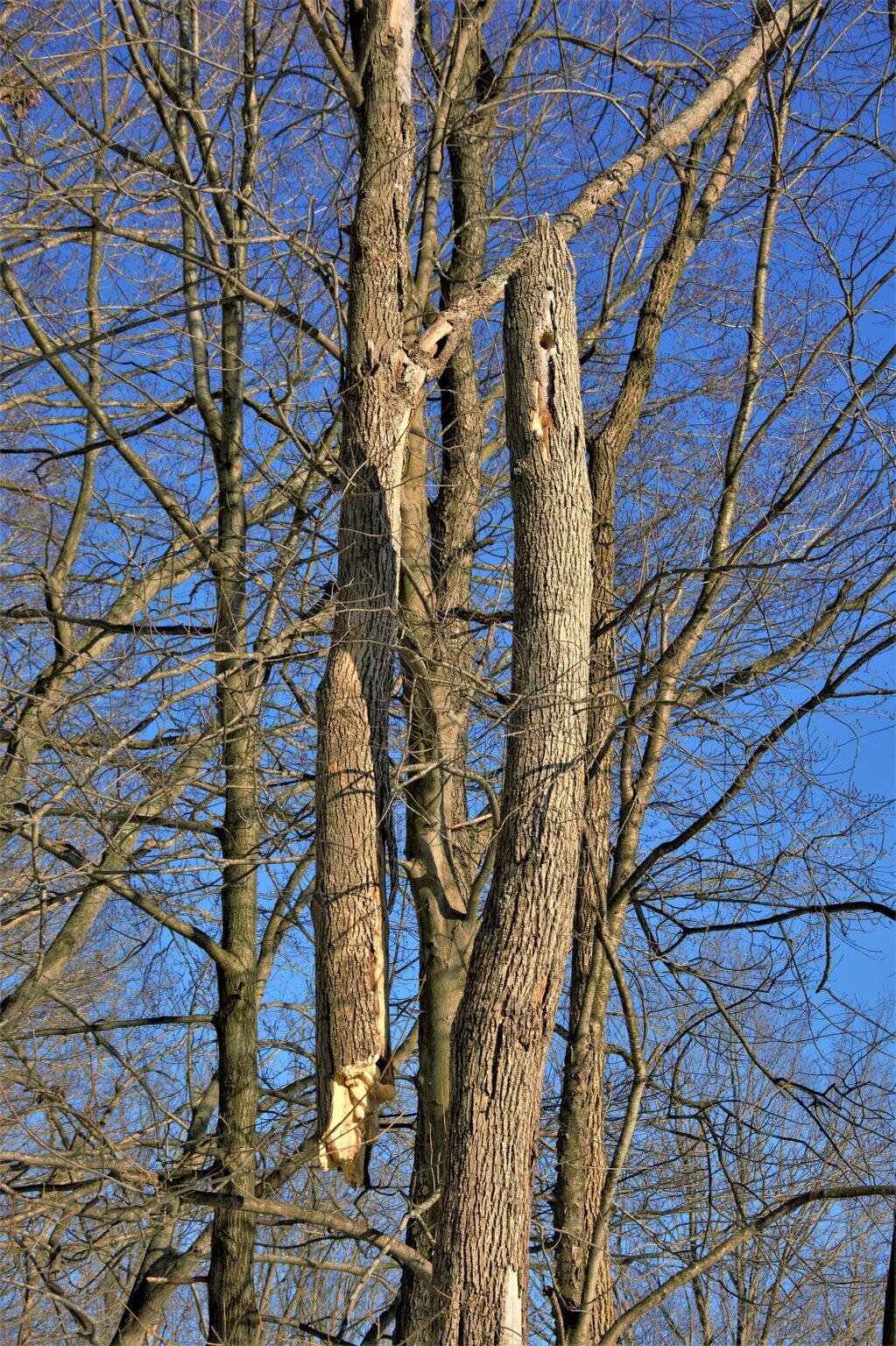
The trunk is the main support of a tree, so any damage here matters. Cracks, splits, or deep wounds in the trunk are serious warning signs. These openings can weaken the tree and allow pests or disease to move inside. Bark that is peeling away or missing in large areas can also signal trouble beneath the surface.
Look for hollow spots or areas that sound empty when gently tapped. These can mean the inside wood is decaying. Fungi growing on the trunk, such as mushrooms or shelf-like growths, often point to internal rot. Even if the tree still has green leaves, internal decay in the trunk can render it unsafe.
Warning Signs in Branches and Canopy
The branches and canopy tell a story about a tree’s health. Dead or hanging branches are one of the clearest signs of danger. These limbs can fall without warning, especially during wind or storms. A tree with many dead branches may be under stress or already dying.
Uneven growth is another clue. If one side of the canopy looks thin while the other side is full, the tree may be struggling to get enough water or nutrients. Branches that cross and rub against each other can cause wounds that lead to decay. A sudden loss of leaves outside the normal season is also a red flag that should not be ignored.
Root Problems and Ground Clues
Roots are often overlooked because they are mostly hidden, but they are critical to a tree’s stability. Signs of root trouble can appear at ground level. Look for soil that is lifting or cracking around the base of the tree. This can mean the roots are shifting and losing their grip.
Exposed roots can be damaged by lawn equipment, foot traffic, or erosion. When roots are cut or crushed, the tree loses support and access to water. Trees leaning more than they used to, especially if the lean appeared suddenly, are at high risk of falling. In some cases, people only realize the danger when they need an emergency tree service after a storm, but earlier signs were there all along.
The Role of Disease and Pests
Diseases and pests can slowly weaken a tree from the inside out. Insects like beetles or borers create tunnels that disrupt the flow of nutrients. You might notice small holes in the bark, sawdust-like material at the base, or sticky residue on leaves and branches.
Diseases often show up as discolored leaves, unusual spots, or early leaf drop. Some cause sections of the tree to die while other parts seem fine. Because these problems spread over time, catching them early can make a big difference. A tree that looks slightly off this year could become a serious hazard in the future if the issue is left untreated.
Environmental Stress and Weather Impact
Trees deal with stress just like people do. Long periods of drought, flooding, or extreme heat can weaken them. Storm damage, such as broken branches or lightning strikes, can leave hidden injuries. Even if a tree survives a storm, the damage may shorten its life or make it unsafe later.
Construction nearby can also cause stress. Digging, paving, and heavy machinery can damage roots and change how water drains through the soil. If a tree starts to decline after work has been done nearby, there may be a connection. Paying attention to these changes helps you act before the tree becomes a danger.
When Observation Is Not Enough
While careful observation goes a long way, some problems are hard to spot without training. Internal decay, early disease, or root damage may not show clear signs right away. If a tree is large, old, or close to a home or walkway, it is worth getting a professional opinion.
Arborists are trained to assess tree health and risk. They can recommend pruning, treatment, or removal based on what they see. Taking action early is often safer and less costly than waiting for a failure to happen. If you are curious to learn more about protecting your trees and property, now is a great time to read more and deepen your understanding.
When Trees Speak Before They Fall
Trees may not talk, but they do communicate through signs and changes. Learning to read those signs helps you respond with care instead of panic. A hazardous tree does not appear overnight. It develops over time, giving plenty of chances to notice something is wrong.
By watching the trunk, branches, roots, and overall growth, you can spot problems early. Healthy trees add value and joy to a space, while unsafe ones bring risk and worry. Paying attention today can prevent damage tomorrow. When you listen to what your trees are telling you, you create a safer and more peaceful environment for everyone around.
For more on this content, visit the rest of our blog!

Rao Waqas is a passionate content writer who crafts engaging and insightful articles across diverse topics, helping readers stay informed and inspired.