
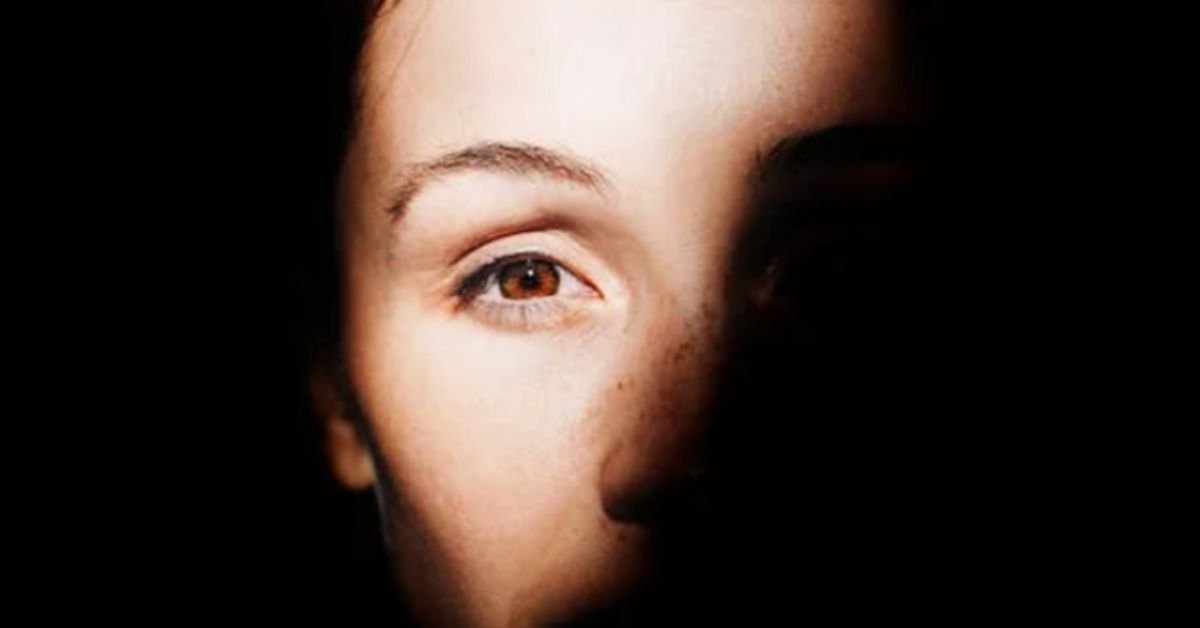
Many people hear the same comment again and again: “You look tired.” It can happen even after a good night’s sleep. Often, the issue is not stress or age overall. It starts around the eyes. The skin here is thin and moves constantly. We blink thousands of times a day. Over time, this leads to visible changes sooner than in other areas of the face. Drooping lids, heavy brows, and shadowing can all change how rested or alert someone appears.
This article explains why the eye area shows aging first and how specific procedures address real, physical changes. The focus stays on clarity, not trends or hype.
Why the Eye Area Ages Faster
The skin around the eyes is delicate. It has less natural support than other areas of the face. It also produces less oil, which makes it more prone to fine lines and looseness. The muscles under the skin stay active all day. Smiling, squinting, and blinking place constant stress on this area. Gravity adds to the problem over time. As support structures weaken, tissue begins to shift downward. Sun exposure also plays a role, especially since many people avoid sunscreen close to the eyes.
Surgeons who focus on eyelid anatomy often point out how early these changes begin. Specialists such as Dr.Rodríguez-Feliz regularly see patients who feel the eye area ages faster than the rest of their face, even when their skin elsewhere looks healthy. His work often starts with identifying whether the issue comes from skin, muscle, or loss of support. This careful evaluation helps determine whether concerns are best addressed with eyelid surgery, brow support, or another targeted approach. By focusing on the structure of the eye area rather than surface appearance alone, treatment plans can remain precise and natural.
How Drooping Lids Affect Daily Life
Drooping upper eyelids do more than change appearance. They can make the eyes feel heavy by the end of the day. Some people raise their brows without noticing. This can cause forehead strain or headaches. In some cases, loose skin blocks part of the upper field of vision. Reading and driving become harder. People often assume this is normal aging. It is not always something that makeup or skincare can fix. Understanding the cause helps explain why this area looks tired even when the rest of the face feels fine.
What Blepharoplasty Is Designed to Fix
Blepharoplasty focuses on excess skin and tissue around the eyelids. Upper eyelid blepharoplasty removes loose skin that folds over the natural lid crease. This helps the eyes look more open. Lower eyelid blepharoplasty addresses puffiness or loose skin under the eyes. It does not treat dark circles caused by pigment. It also does not lift the brows. Many people confuse these issues. Blepharoplasty works best when eyelid skin is the main concern. A careful exam helps confirm this before moving forward.
When the Brow Is the Real Problem
Sometimes the eyelids look heavy because the brow has dropped. This can push skin downward and crowd the upper lid. In these cases, removing eyelid skin alone may not help. It can even make the brow sit lower. A brow lift raises the brow to a more natural position. This restores balance between the brow and eyelid. The goal is not a surprised look. The goal is to return the brow to where it used to sit. This step matters because treating the wrong area leads to poor results.
What a Brow Lift Can Subtly Change
A brow lift can make the eyes look brighter without obvious signs of surgery. It can reduce the need to raise the eyebrows all day. This often helps people look more relaxed. The change tends to feel natural rather than dramatic. Friends may notice that someone looks refreshed but cannot say why. That is often the best outcome. When done for the right reason, a brow lift supports the upper face instead of altering it.
Why Under-Eye Hollows Get Confused with Dark Circles
Many people think that dark circles under the eyes come from lack of sleep or skin color. In many cases, the real issue is shape, not color. Tear troughs form when volume decreases under the eyes. This creates a hollow that catches light in an uneven way. Shadows appear even when the skin tone stays the same. Creams and color correctors do little for this problem. The structure under the skin has changed. Understanding this difference matters because treating color will not fix a volume issue.
How Tear Trough Correction Restores Balance
Tear trough correction focuses on smoothing the transition between the lower eyelid and the cheek. The goal is to reduce hollowing, not to fill the area too much. When done with care, the under-eye looks softer and more rested. The eyes still look natural. This treatment does not remove skin or tighten muscle. It addresses contour. A proper approach avoids puffiness and keeps the lower eyelid supported. Evaluation matters because not every under-eye concern should be treated the same way.
The eyes often show aging first because they work nonstop and have little support. Changes here affect both appearance and daily comfort. Drooping lids, low brows, under-eye hollows, and ptosis all have different causes. Each requires a specific approach. Blepharoplasty, brow lift, tear trough correction, and ptosis repair each solve a distinct problem. Knowing the difference helps people make informed choices. When treatment matches the real issue, the eyes can look rested, balanced, and natural again.

Ethan Cole is a passionate blogger at Aldalive.com, sharing fresh ideas and engaging content on lifestyle, technology, and everyday trends. With a love for writing and exploring new topics, Ethan aims to make information simple, useful, and inspiring for readers worldwide.