
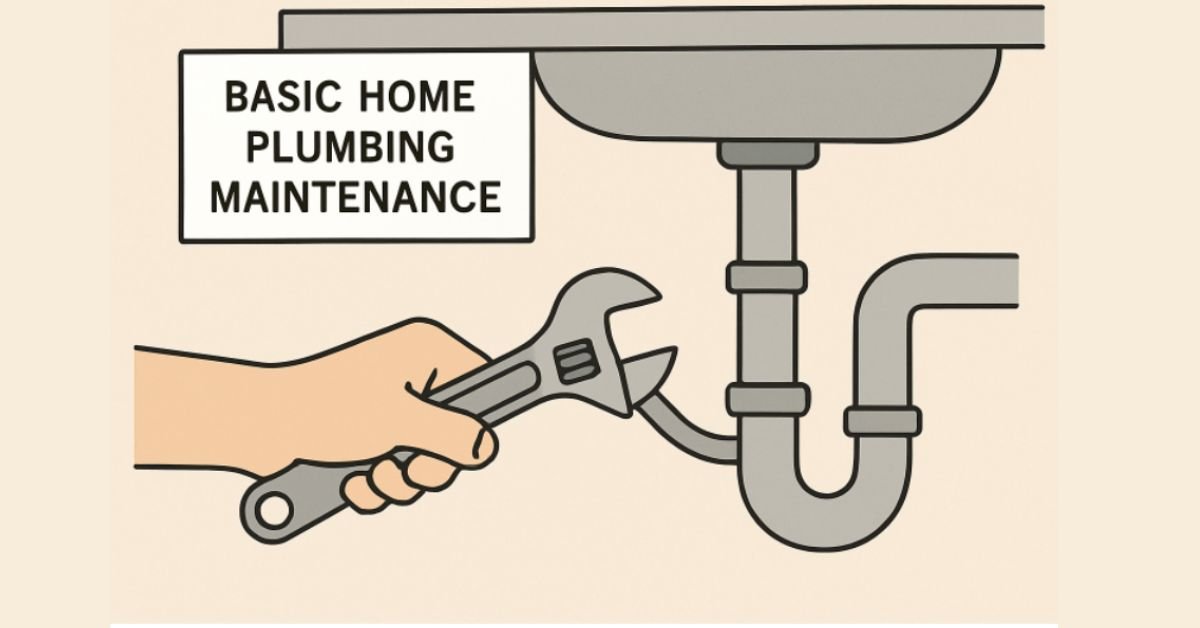
Maintaining your home’s plumbing system isn’t just about avoiding inconvenient leaks or clogged drains—it’s about protecting your investment and enjoying peace of mind. Regular attention and basic knowledge can help homeowners keep their plumbing trouble-free for years to come. Whether you’re a seasoned DIYer or a new homeowner, these actionable strategies will help you keep everything flowing smoothly. For those who need help with trickier problems or prefer professional expertise, Afford A Rooter Westminster offers reliable services for all kinds of plumbing needs right in your neighborhood.
The following guide will walk you through key steps all homeowners should follow, from leak detection and seasonal prep to the value of proactive maintenance. By understanding your home’s system and creating good routine habits, you’ll reduce surprise repairs and extend the lifespan of your plumbing. Below, you’ll find a roundup of top tips you can put to work right away.
1. Regularly Inspect for Leaks
Leaks often start small and, when ignored, can quietly inflict damage behind walls, under floors, and in basements. Set a regular schedule to inspect under sinks, around bathtubs and toilets, and near your water heater for pools of water, dampness, or mold. Don’t overlook ceilings and baseboards, which might show signs of hidden leaks. Early detection isn’t just about saving water—it’s about preventing extensive and expensive damage to your home’s structure.
2. Be Mindful of What You Flush
Toilets are engineered to handle only human waste and toilet paper. Even items marketed as “flushable,” such as wipes or certain feminine products, rarely break down adequately and can create stubborn blockages. The same rule applies to paper towels, cotton balls, and dental floss. A good rule of thumb: If it’s not toilet paper or waste, dispose of it in the trash to safeguard your plumbing and municipal wastewater systems.
3. Maintain Your Water Heater
Your water heater is an unsung hero of daily comfort—until something goes wrong. Over time, sediment from minerals builds up at the bottom of the tank, decreasing efficiency and raising your energy bills. Flushing your water heater once or twice a year helps remove built-up sediment and can prevent premature failure. Look out for rusty-colored hot water, odd noises, or temperature swings—these could signal your heater is nearing the end of its service life. Most heaters last 8–12 years, so budget for replacement if yours is getting older or showing troubling signs.
4. Protect Your Pipes from Freezing
Winter’s chill poses a significant threat to uninsulated pipes in basements, crawl spaces, attics, and exterior walls. As water freezes, it expands, which can cause pipes to burst and lead to costly water damage. To reduce this risk, insulate exposed pipes with affordable foam sleeves or heat tape. During extreme cold snaps, it also helps to let faucets drip slightly and open cabinet doors beneath sinks so warmer air can circulate the pipes. For additional practical guidance, Consumer Reports offers tips to protect pipes from freezing. Taking preventive steps now is far cheaper and easier than dealing with burst pipes and extensive water cleanup later.
5. Use a Water Softener to Prevent Hard Water Damage
If your area’s water is “hard”—meaning it contains high levels of calcium and magnesium—you may notice crusty buildup on faucets, dingy laundry, and short appliance lifespans. Hard water leads to mineral deposits inside pipes, reducing water flow, corroding fixtures, and lowering heater efficiency. Installing a water softener can resolve these problems, leaving your plumbing system clean and efficient, making hair and skin feel softer, and ensuring longer-lasting appliances.
6. Know Where Your Main Shut-Off Valve Is
Knowing how to turn off the water to your entire home quickly is essential in an emergency to prevent significant water damage. The main shut-off valve is typically found where your primary water line enters the house, such as in a basement, crawl space, or near an exterior wall. It’s essential to locate it, ensure it is fully operational, and make sure every family member knows how to use it. For detailed guidance on identifying and accessing your main water shut-off valve, you can refer to this helpful resource from The Spruce. If you have any difficulty locating it, your local plumber can assist during a routine maintenance visit.
Regularly checking the valve for leaks or corrosion can help ensure it functions properly when needed. Keeping the area around the valve clear and accessible will save valuable time in an emergency.
7. Schedule Preventive Maintenance
An annual or semi-annual inspection from a qualified plumber is a wise investment. These visits help spot slow drains, minor leaks, or worn gaskets before they escalate. Proactive leak detection, fixture tightening, and drain cleaning are just a few examples of routine adjustments a pro can address. Preventive maintenance gives you peace of mind and might even save you thousands by catching problems early.
8. Build a Relationship with a Trusted Local Plumber
Having a go-to local plumber means you’ll receive faster support when problems arise. Your plumber will already be familiar with your home’s layout and plumbing history, which streamlines service during emergencies. Look for companies with solid reputations, good reviews, and a focus on customer service to ensure you’re in good hands for years to come.
Proactive plumbing care helps you avoid hassles and costly emergencies. By adopting the habits above—and enlisting expert help when needed—you’ll keep water where it belongs and your household running smoothly.

Ethan Cole is a passionate blogger at Aldalive.com, sharing fresh ideas and engaging content on lifestyle, technology, and everyday trends. With a love for writing and exploring new topics, Ethan aims to make information simple, useful, and inspiring for readers worldwide.