
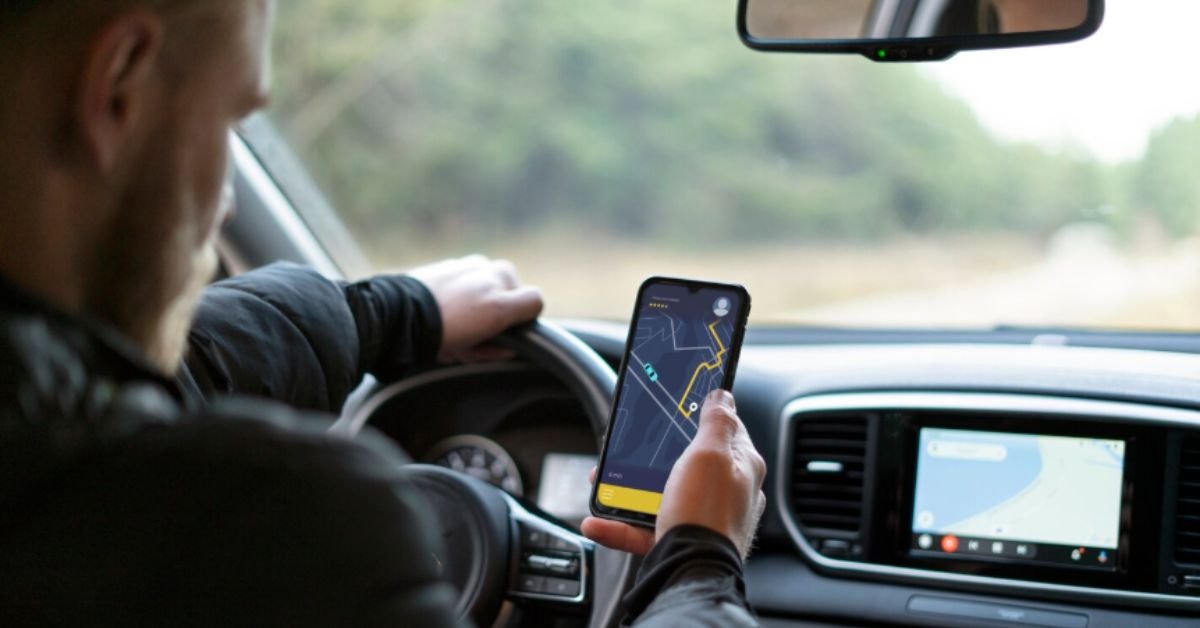
The modern driving experience has moved far beyond the era of paper maps and dedicated GPS units suction-cupped to the windshield. Today, your vehicle is a connected hub, utilizing high-speed data and artificial intelligence to navigate the complexities of the road. As automotive technology accelerates, the distinction between a car and a mobile device continues to blur, offering drivers tools that prioritize efficiency, safety, and entertainment. Whether you are commuting through urban traffic or embarking on a cross-country adventure, the latest software ensures you are always on the optimal path. For those currently researching New cars for sale, the quality of the onboard navigation and smartphone integration is often the deciding factor in a purchase, as it dictates the daily “user experience” of the vehicle.
The Integration of AI and Real-Time Traffic Data
The most significant leap in modern navigation is the transition from static maps to AI-enhanced, real-time ecosystems. While traditional GPS systems relied on pre-loaded map data that quickly became obsolete, 2026-model vehicles utilize “Cloud Navigation.” Systems like Google Maps, now deeply integrated into the instrument clusters of many new cars, use machine learning to predict traffic patterns based on the time of day and historical data.
This AI doesn’t just show you where the traffic is; it anticipates where it will be by the time you arrive at a specific junction. Furthermore, community-driven apps like Waze have become a standard part of the driver’s toolkit. By crowdsourcing information from millions of users, these tools provide hyper-local alerts about road hazards, police presence, and sudden closures that even official traffic reports might miss. This synergy between global satellite data and local user feedback creates a comprehensive safety net for the modern driver.
Augmented Reality: The Future of the Windshield
Perhaps the most visually stunning advancement in 2026 navigation is the widespread adoption of Augmented Reality (AR). Historically a feature found only in high-end luxury sedans, AR navigation is now migrating to mainstream SUVs and trucks. This technology utilizes the vehicle’s front-facing cameras to project a live video feed onto the central infotainment screen or, more impressively, onto a Head-Up Display (HUD) on the windshield.
Instead of glancing at a 2D map and trying to count which street is the third on the right, AR navigation overlays glowing digital arrows directly onto your view of the road. If you are approaching a complex highway interchange, a virtual blue line might appear “painted” onto the exact lane you need to be in. This reduces “cognitive load”—the mental effort required to process directions—allowing the driver to keep their eyes firmly on the road while receiving unmistakable cues.
The Power of Apple CarPlay and Android Auto 2.0
For the majority of drivers, the smartphone remains the primary brain of the car’s interior. The latest versions of Apple CarPlay and Android Auto have moved past simple screen mirroring. These “next-gen” platforms can now take over multiple screens within the car, including the digital gauge cluster behind the steering wheel. This means your speed and fuel levels can be displayed alongside a beautiful, high-definition map from your favorite app.
Wireless connectivity has also become the new standard, eliminating the clutter of USB cables. Modern systems support “Multi-Touch” gestures, allowing you to pinch and zoom on the car’s touchscreen just as you would on your phone. Furthermore, the integration of advanced voice assistants—like the LLM-powered Siri or Google Assistant—allows for truly hands-free operation. Drivers can now use natural language commands to find the cheapest gas nearby, add a stop for coffee, or even send complex text messages without ever taking their hands off the wheel.
As the automotive market shifts toward electrification, navigation tools have evolved to solve “range anxiety.” Modern EV navigation is no longer just about the shortest route; it is about the most energy-efficient one. These smart tools take into account the vehicle’s current state of charge, the elevation changes of the route, and even the ambient temperature, which can affect battery performance.
If a trip exceeds the car’s current range, the navigation system will automatically plot a route that includes high-speed charging stops. It will even tell you how many chargers are currently available at a specific station and how long you will need to plug in to reach your destination. This level of integration ensures that EV ownership is as seamless as driving a traditional gas vehicle, removing the guesswork from long-distance travel.
Beyond getting you to your destination, smart navigation tools are now active participants in your safety. Many 2026 navigation systems are linked to the vehicle’s Advanced Driver Assistance Systems (ADAS). For instance, if the navigation knows a sharp curve is ahead, it can communicate with the car’s cruise control to proactively slow the vehicle down to a safe speed before the driver even sees the turn.
Specialized apps also focus on “Environmental Awareness.” Tools like Weather on the Way overlay real-time weather radar onto your driving route, alerting you to incoming snow squalls or heavy rain before you drive into them. Other apps provide “Green Wave” technology, which calculates the optimal speed to travel to hit a sequence of green lights, reducing the need for sudden braking and improving both safety and fuel efficiency in urban environments.
The Convenience of “Connected Services” Apps
The navigation experience now begins before you even enter the vehicle. Manufacturer-specific apps, such as myHyundai, FordPass, or Toyota’s Drive Connect, allow you to “Send-to-Car” your destination from your living room. You can plan a multi-stop itinerary on your laptop or phone and have it ready to go the moment you start the engine.
These apps also offer “Last Mile Navigation.” If you have to park several blocks away from your final destination, the car can hand off the remaining walking directions back to your smartphone or smartwatch. This ensures a seamless transition from the driver’s seat to the sidewalk. Furthermore, these connected services often include “Stolen Vehicle Locators” and “Emergency SOS” features, using the car’s built-in GPS to provide precise coordinates to first responders in the event of an accident.
Conclusion
Smart navigation has fundamentally changed our relationship with the road. It has transformed the car from a passive machine into an intelligent co-pilot that is constantly working to save us time, money, and stress. By leveraging the power of AI, augmented reality, and seamless smartphone integration, today’s drivers have access to a level of information that was unimaginable a decade ago. As we look toward the future of the automotive industry, it is clear that the “best” car is no longer just the one with the most horsepower, but the one with the most intelligent digital ecosystem. Investing in a vehicle with these advanced tools doesn’t just make the drive easier—it makes every journey more efficient, more engaging, and significantly safer.

Ethan Cole is a passionate blogger at Aldalive.com, sharing fresh ideas and engaging content on lifestyle, technology, and everyday trends. With a love for writing and exploring new topics, Ethan aims to make information simple, useful, and inspiring for readers worldwide.