
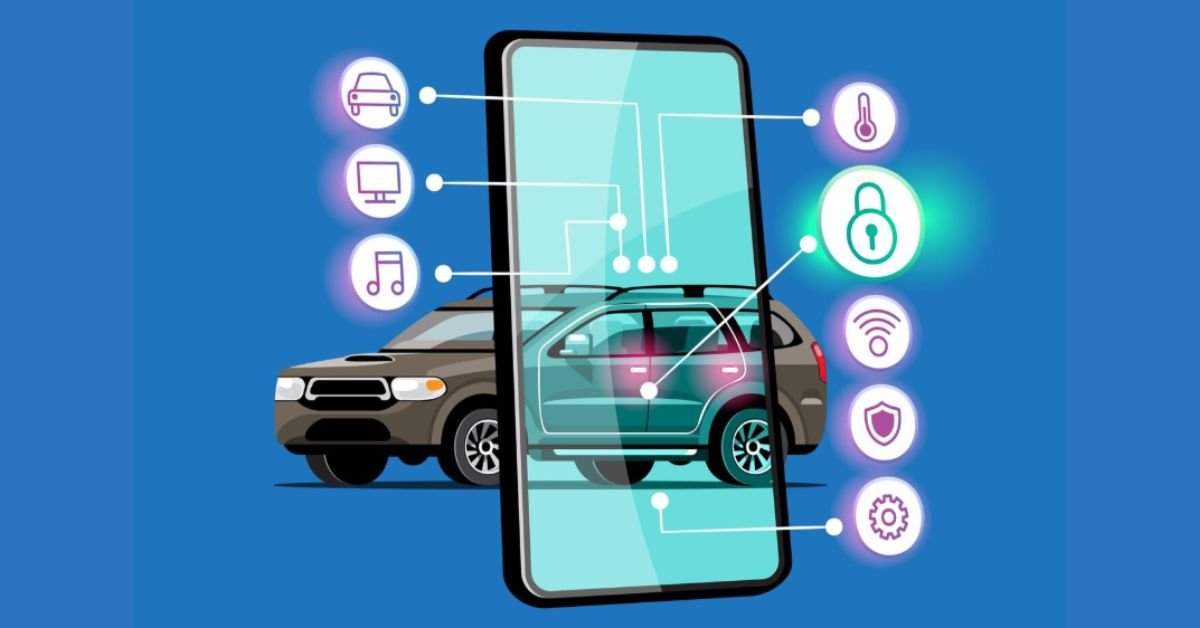
In the ever-evolving world of automotive technology, safety has shifted from being a passive consideration—like seatbelts and crumple zones—to an active, intelligent shield that surrounds the driver. Today’s vehicles are equipped with a sophisticated array of sensors, cameras, and artificial intelligence designed to predict and prevent accidents before they occur. For those exploring New cars for sale in Jacksonville, these systems are often the primary highlight of a vehicle’s value proposition. As we move into 2025 and 2026, the standard for what constitutes a “safe” car has been raised, providing drivers with unprecedented peace of mind. Understanding the mechanics and benefits of these advanced safety systems is essential for any modern car buyer looking to protect their family on the road.
1. Autonomous Emergency Braking (AEB) with Pedestrian Detection
Autonomous Emergency Braking (AEB) is arguably the most significant advancement in collision avoidance technology. Using a combination of radar and high-resolution cameras, AEB constantly monitors the distance between your vehicle and the one ahead. If the system detects a rapid closing speed that indicates an imminent collision, it first alerts the driver with audible and visual warnings.
If the driver fails to react, the system takes control by applying the brakes automatically to mitigate or entirely avoid the impact. In 2025, many AEB systems have been refined to include “Pedestrian and Cyclist Detection.” This specialized software can distinguish the unique movement patterns of humans and bikes, even in low-light conditions, ensuring that the car can stop for a person stepping into the road just as effectively as it can for another vehicle.
2. Adaptive Cruise Control with Stop-and-Go
Traditional cruise control was a convenience feature meant for empty highways; however, Adaptive Cruise Control (ACC) is a safety-critical tool designed for the realities of modern traffic. ACC uses long-range radar to maintain a set following distance from the vehicle in front of you. If the lead car slows down, your vehicle automatically decelerates to match its speed.
The “Stop-and-Go” functionality, which is increasingly standard on new models, allows the vehicle to come to a complete halt in heavy traffic and resume acceleration once the lane clears. This reduces driver fatigue—a major contributor to highway accidents—and ensures that a moment of inattention in stop-and-go traffic doesn’t result in a rear-end collision.
3. Lane Centering and Steering Assist
While Lane Departure Warning has been around for years, the latest vehicles feature “Lane Centering Assist.” Unlike earlier systems that would “ping-pong” a car back and forth between lane lines, lane centering uses advanced image processing to keep the vehicle positioned precisely in the middle of the lane.
By providing subtle, continuous steering torque, the system helps the driver navigate long highway stretches with less physical effort. This is particularly useful during inclement weather or at night when lane markings might be harder to see. If the driver’s hands leave the wheel for too long, the system provides a warning to ensure the driver remains engaged, maintaining the balance between automation and human control.
4. Blind Spot Monitoring and Collision Avoidance
Blind Spot Monitoring (BSM) acts as an extra set of eyes on the back of your head. Sensors located in the rear bumper scan the adjacent lanes for vehicles that may be hidden from your side mirrors. When a vehicle is detected, an icon illuminates in the corresponding side mirror.
Advanced 2026 models take this a step further with “Blind Spot Collision Avoidance.” If you activate your turn signal and attempt to move into a lane that is occupied, the system can apply light braking to the opposite wheels or provide steering resistance to pull you back into your lane. This active intervention significantly reduces the risk of side-swipe accidents, which are among the most common types of highway collisions.
5. Rear Cross-Traffic Alert with Reverse AEB
Backing out of a driveway or a crowded parking spot is one of the most hazardous maneuvers for any driver. Rear Cross-Traffic Alert (RCTA) uses the same sensors as the blind spot system to scan for vehicles approaching from the side as you reverse. This is especially helpful when your view is blocked by SUVs or trucks parked next to you.
Many new cars now include “Reverse Automatic Emergency Braking.” If the RCTA detects a vehicle or a stationary object behind you and senses that you aren’t braking, the car will automatically slam on the brakes. This technology has proven invaluable in preventing “back-over” accidents involving children, pets, or unseen bollards.
6. Driver Monitoring and Attention Systems
As cars become more automated, the risk of “driver distraction” increases. To combat this, automakers have introduced Driver Monitoring Systems (DMS). Using infrared cameras mounted on the steering column or rearview mirror, the car tracks the driver’s eye movement, head position, and blink rate.
If the system detects signs of drowsiness—such as frequent long blinks or the head nodding—it will issue a “Drowsiness Alert,” often suggesting that the driver take a break. If the driver’s eyes leave the road for more than a few seconds (signaling phone use or distraction), the system will provide an urgent alert. In extreme cases where the driver becomes unresponsive, some vehicles can even safely steer to the shoulder and bring the car to a stop.
7. 360-Degree Surround View and Transparent Hood Tech
Visibility is the cornerstone of safety. The latest 360-degree camera systems use “stitching” software to combine images from four or more cameras around the vehicle, creating a bird’s-eye view on the infotainment screen. This allows the driver to see every obstacle around the car in real-time.
A newer innovation, often found in SUVs and trucks, is “Transparent Hood” or “Ground View” technology. This uses front-facing cameras to project a view of what is directly under the engine bay onto the screen. This is crucial for navigating tight urban spaces with high curbs or for off-road enthusiasts who need to see the exact placement of their tires on rocky terrain. By eliminating blind spots around the vehicle’s perimeter, these systems prevent low-speed accidents and protect pedestrians in crowded areas.
Conclusion
The rapid advancement of safety technology has turned the modern automobile into a proactive partner in the driving experience. Features like Autonomous Emergency Braking and Blind Spot Collision Avoidance are no longer just luxury add-ons; they are essential tools that save lives every day. As these systems become more integrated with artificial intelligence and high-speed sensors, the goal of a “collision-free” future moves closer to reality. For any driver, investing in a vehicle with these advanced systems is not just about the convenience of cruise control—it is about the long-term security of knowing that your car is looking out for you, even when you might be distracted. The road ahead is safer than ever, thanks to the relentless innovation of automotive safety engineering.

Ethan Cole is a passionate blogger at Aldalive.com, sharing fresh ideas and engaging content on lifestyle, technology, and everyday trends. With a love for writing and exploring new topics, Ethan aims to make information simple, useful, and inspiring for readers worldwide.