
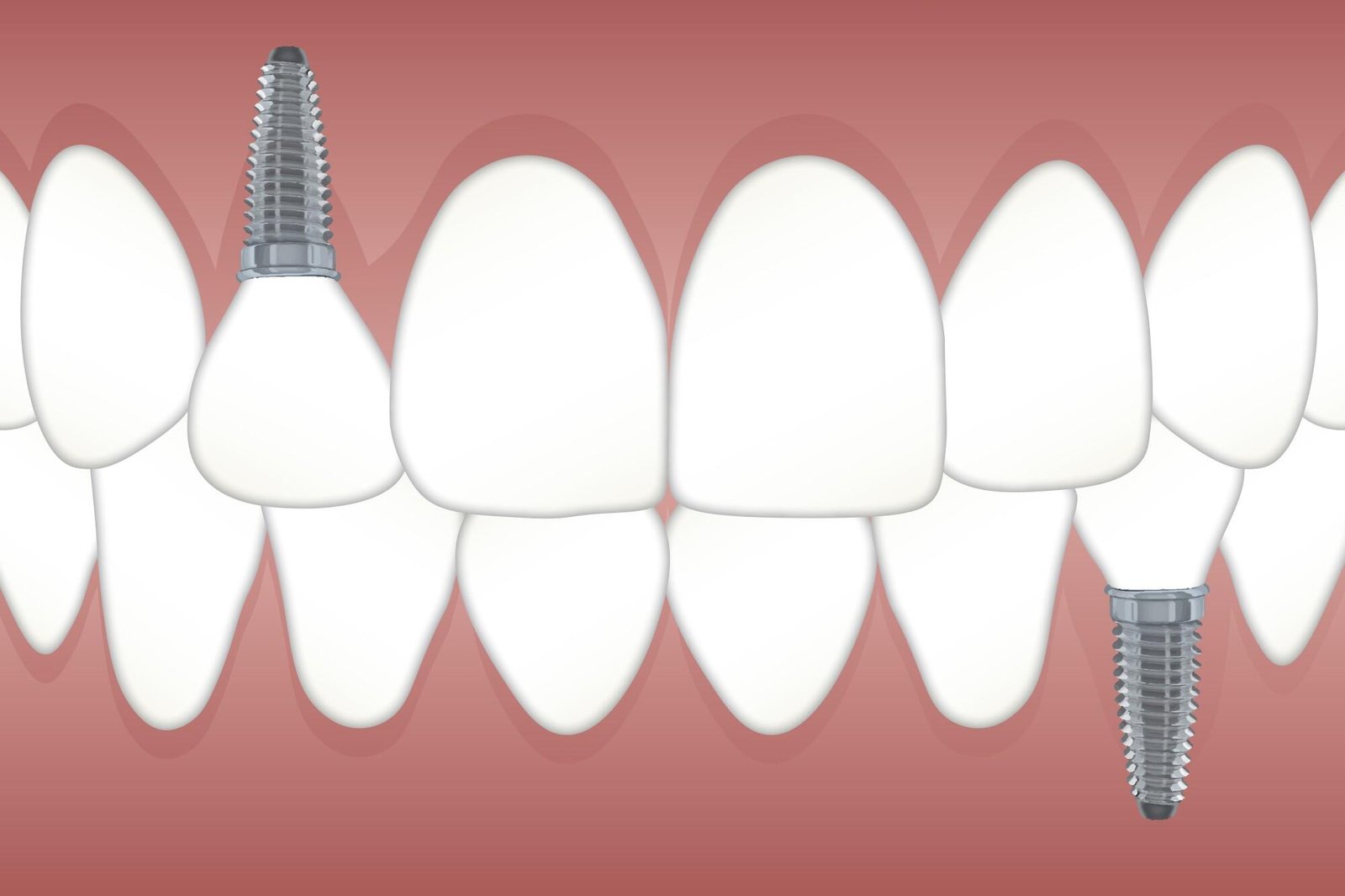
Dental implants over traditional dentures are changing the way people approach tooth replacement. Many find dentures uncomfortable and difficult to manage.
Dental implants offer a permanent solution that feels more natural. They improve chewing and speaking compared to removable dentures. Implants help preserve jawbone health and facial structure.
They require less maintenance once properly installed. If you want to understand the benefits, read on to see why dental implants are often the preferred choice and explore the key advantages that make them stand out.
Improved Comfort and Fit
Dental implants are fixed in the jawbone, so they do not slip or move. This eliminates the discomfort often experienced with traditional dentures. Implants feel more like natural teeth, making daily activities easier.
There is no need for messy adhesives. They do not irritate the gums as dentures sometimes do. Implants allow better bite force, which makes eating more efficient. They prevent sore spots and friction injuries in the mouth.
Patients report less worry about teeth falling out during conversation. The stability provided by implants contributes to overall oral confidence. Over time, this can improve overall quality of life.
Natural Appearance
Implants mimic the look of real teeth closely. The crowns are designed to match your natural tooth color. Unlike dentures, implants do not have visible metal parts. They support the lips and cheeks, preventing the sunken appearance that can occur with missing teeth. This improves facial aesthetics and gives a more youthful look.
Implants integrate with the jawbone for a seamless appearance. They do not shift or create gaps. They blend with remaining teeth naturally. This allows for a confident smile. Overall, dental implants offer a cosmetic advantage over traditional dentures.
Long-Term Durability
Dental implants are built to last many years. With proper care, they often last decades. Unlike dentures, implants are not prone to cracking or wearing down. The titanium post is strong and resists decay. The crown material is durable and withstands daily use. This reduces the need for replacements compared to dentures.
Regular dental checkups help maintain their longevity. Implants do not require adjustments over time. They offer a cost-effective solution over the long term. Patients experience fewer interruptions in daily life due to maintenance.
Easier Eating and Chewing
Dental implants allow for normal chewing function. They restore bite strength lost with missing teeth. Unlike dentures, implants do not move during meals. Patients can eat a wider variety of foods without difficulty. This improves nutrition and digestion.
Implants distribute chewing pressure evenly across the jaw. They prevent pain and discomfort while eating. Strong bite force helps maintain jawbone density. There is no need to avoid certain foods. Overall, dental implants provide a practical benefit in daily life.
Better Speech
Implants improve speech clarity. Dentures can slip and cause slurred or mumbled speech. Implants remain stable and allow natural pronunciation. Patients feel more confident speaking in public. There is no need to worry about clicking or shifting.
Implant-supported teeth help maintain proper tongue placement. This is important for clear enunciation. Implants also prevent changes in speech patterns over time. They maintain oral function even with multiple teeth replaced. Clear communication becomes easier with implants.
Bone Preservation
Dental implants help prevent bone loss. Missing teeth can lead to jawbone deterioration. Implants stimulate the jawbone, keeping it strong. This maintains facial structure. Dentures do not provide the same support and can accelerate bone loss.
Preserving bone density prevents changes in facial appearance. This also helps maintain the fit of remaining teeth. A strong jawbone supports future dental work if needed. Bone preservation is critical for long-term oral health. Implants protect both function and appearance.
Stability and Security
Implants are permanently fixed in place. This eliminates worries about teeth moving. Dentures can slip or fall out, especially when eating or speaking. Secure implants allow normal daily activities. Patients do not need adhesives or frequent adjustments.
Stability improves confidence in social settings. Implants reduce stress from worrying about tooth displacement. They feel natural and solid. This makes dental implants a preferred choice for active lifestyles. Daily routines become easier and less stressful.
Convenience and Maintenance
Implants are low-maintenance compared to dentures. There is no need for soaking or special cleaning solutions. Regular brushing and flossing are sufficient. They do not require adhesives or nightly removal.
Routine dental visits help monitor health. Implants reduce the risk of gum irritation. Patients spend less time on oral care. This convenience makes implants appealing. Daily oral hygiene is straightforward. Overall, implants simplify dental care routines.
Healthier Gums
Implants reduce the risk of gum irritation. Dentures can rub and cause sore spots. Fixed implants do not shift against the gums. This prevents infections and discomfort. Healthy gums support overall oral health.
They maintain a clean environment for natural teeth. Implants reduce inflammation in the mouth. Regular checkups ensure gum health remains optimal. Patients report less pain compared to denture wearers. Overall oral hygiene improves with implants.
Preservation of Adjacent Teeth
Implants do not rely on neighboring teeth for support. Dentures and bridges sometimes require grinding down adjacent teeth. Implants preserve natural tooth structure. This protects long-term dental health.
Adjacent teeth are less likely to suffer stress or decay. This also maintains alignment and bite. Implants prevent unnecessary dental work. They integrate naturally without impacting other teeth. The approach is less invasive and safer. Preserving surrounding teeth is a major advantage.
Predictable Results
Implants have a high success rate. The procedure follows a clear and predictable plan. Healing and integration are well-understood by dental professionals. Patients can expect consistent outcomes.
Risks are minimal when proper care is followed. This predictability builds patient confidence. Complications are rare. Follow-up visits ensure the implant is functioning well. Results are long-lasting and reliable. Implants offer a predictable and effective solution.
Enhanced Self-Esteem
Dental implants improve confidence. Patients feel more comfortable smiling and speaking. Implants eliminate the worry of dentures shifting. A secure and natural-looking smile boosts self-image.
Social interactions become easier. There is less embarrassment in public settings. Implants provide a permanent solution that restores confidence. They enhance overall quality of life. Positive changes in self-esteem are often reported. Implants improve both appearance and emotional well-being.
No Need for Adhesives
Implants do not require glues or pastes. Dentures often need adhesives to stay in place. This removes the inconvenience of daily preparation. Patients avoid sticky or messy substances. There is no risk of adhesive-related irritation.
Implants stay fixed naturally. They provide consistent support. Daily routines are simplified. Patients gain freedom from constant adjustments. This is one reason implants are preferred over dentures.
Longevity of Investment
Implants are cost-effective long-term. While initial costs may be higher, they last longer than dentures. Fewer replacements reduce overall expenses. Durable materials withstand normal wear and tear. This makes them a wise financial choice. Maintenance costs are low.
Implants retain value over time. Patients benefit from a lasting solution. The investment protects both function and aesthetics. Long-term savings and stability make implants worthwhile.
Reduced Risk of Infection
Dental implants reduce oral infection risk. Dentures can trap food and bacteria. Fixed implants allow easier cleaning around the teeth. This promotes a healthier oral environment.
Implants prevent bacterial buildup that can cause gum disease. They reduce bad breath associated with removable dentures. Consistent oral hygiene is easier with implants. Periodontal health is improved. Risk of oral infections is minimized. Implants contribute to overall dental safety.
Less Irritation and Soreness
Implants do not rub against the gums. Dentures can cause sore spots and irritation. This eliminates discomfort while eating or speaking. Implants allow normal use of the mouth without pain. Oral tissue remains healthy.
Patients experience fewer flare-ups. Implants support proper healing of surrounding tissues. They reduce the risk of ulcers and inflammation. This comfort advantage improves daily life. Long-term oral health benefits from reduced irritation.
Suitable for Active Lifestyles
Implants support an active lifestyle. Dentures can be unstable during physical activities. Implants remain secure during exercise or sports. They allow normal physical activity without concern.
Patients can enjoy meals, conversations, and movement freely. This stability improves confidence. Social and recreational activities are easier to enjoy. Implants provide freedom from restrictions. They support independence and mobility. Active lifestyles are compatible with dental implants.
Improved Jaw Function
Implants restore normal jaw function. Chewing and biting are closer to natural teeth. Dentures can limit jaw strength and range of motion. Implants distribute pressure evenly. This prevents discomfort and uneven wear.
Patients regain confidence in using all teeth. Speech and eating function are enhanced. Jaw muscles remain active and healthy. Implants support natural jaw mechanics. This improves daily oral function.
Who Can Benefit
Dental implants are suitable for many people. Candidates should have healthy gums and sufficient bone density. Certain medical conditions may require evaluation. A dentist will determine if someone is a candidate for dental implants. Age is not usually a limiting factor.
Most adults with missing teeth can benefit. Implants offer a personalized solution. They improve both function and appearance. Careful assessment ensures long-term success. Proper planning increases the likelihood of a successful outcome.
Discover theTop Benefits of Dental Implants Over Traditional Dentures
Dental implants over traditional dentures provide clear benefits. They offer stability, comfort, and a natural appearance. Implants preserve bone and support surrounding teeth. They reduce maintenance and improve oral health.
Patients experience better chewing, speech, and confidence. Long-term durability makes them cost-effective. Choosing dental implants ensures a secure and functional solution for missing teeth.
For more topics, visit our blog page. We do have more!

Rao Waqas is a passionate content writer who crafts engaging and insightful articles across diverse topics, helping readers stay informed and inspired.