
When it comes to fine dining, few distinctions carry as much prestige as earning a Michelin star. Synonymous with exceptional cuisine, flawless presentation, and unparalleled service, a Michelin star is a coveted symbol of culinary excellence around the world. From bold flavors and innovative dishes to meticulous attention to detail, these restaurants set the gold standard in the dining industry. Whether you’re savoring an exclusive tasting menu or experiencing a creative blend of local and international ingredients, the journey is always unforgettable. If you’ve ever dreamed of dining at a sarasota michelin star restaurant, understanding the features that make these establishments truly exceptional is the first step toward appreciating their artistry and reputation. In this article, we’ll explore the key elements that define Michelin-starred dining and what sets these restaurants apart from the rest.
Exceptional Quality of Ingredients
The foundation of any Michelin-starred dish begins with the quality of its ingredients. Michelin-starred chefs often source their produce from local farms, sustainable fisheries, and trusted suppliers to ensure every component of the dish meets the highest standard of freshness and flavor. Seasonal ingredients take center stage, allowing the menu to evolve throughout the year. By prioritizing authentic flavors and peak condition, guests are treated to dishes that celebrate the very essence of each ingredient.
Innovative and Creative Cuisine
Innovation is a central feature of Michelin star restaurants. These establishments often push the boundaries of culinary creativity, introducing diners to combinations and techniques that are both surprising and enlightening. Whether it’s a unique take on a classic dish or an avant-garde plating style, creativity is paired with technique and taste to produce a memorable dining experience. Michelin-starred chefs often reinterpret traditional recipes with modern methods, infusing familiarity with a fresh point of view.
Mastery of Techniques and Skills
Behind every exquisite dish lies a chef who has mastered a wide range of cooking techniques. From sous-vide to molecular gastronomy, Michelin-starred kitchens are known for their precision and execution. These chefs and their teams possess extensive knowledge of culinary arts, often honed through years of training and experience. Every dish reflects attention to detail, balance of flavors, and technical perfection, ensuring each bite is a harmonious composition of textures and tastes.
Elegant Presentation and Plating
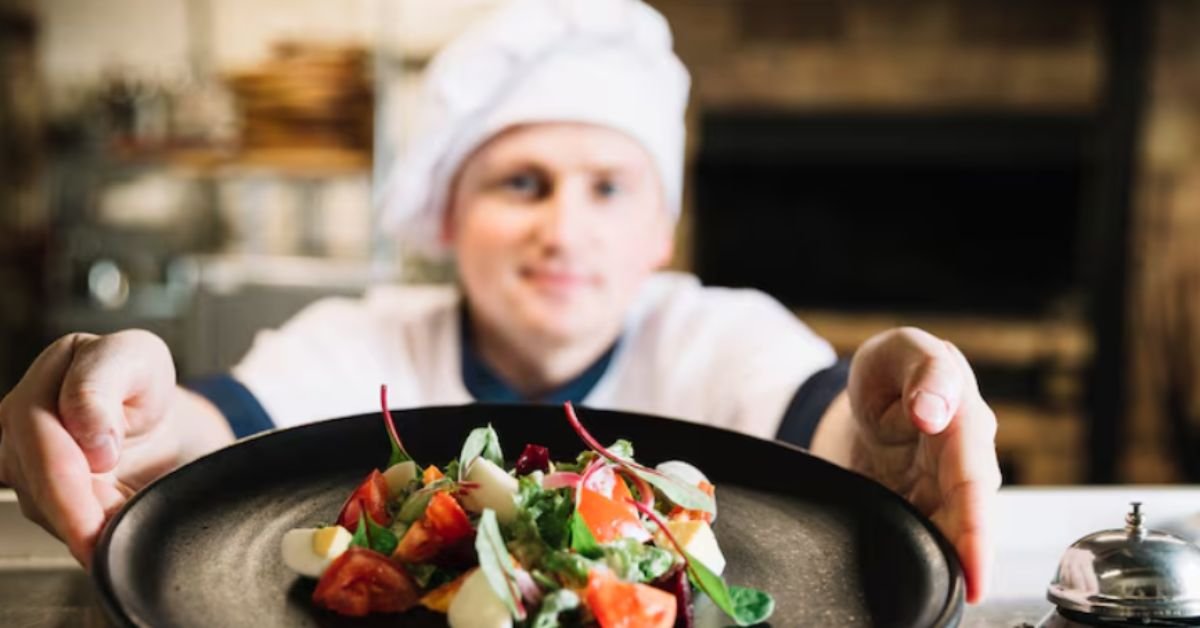
Presentation plays a pivotal role in a Michelin-starred meal. The visual appeal of each dish is carefully designed, often resembling artwork more than food. Plating is meticulously arranged to enhance not just aesthetics but also the diner’s sensory experience. From minimalist design to vibrant colors and delicate garnishes, the presentation complements the flavors and creates anticipation before the first bite. Michelin inspectors evaluate not only taste but also visual appeal, making presentation an essential criterion for earning a star.
Personalized and Professional Service
At a Michelin-star restaurant, service is executed with both precision and warmth. Staff members are highly trained, knowledgeable about the menu, and attentive without being intrusive. Every aspect—from seating to wine pairing—is handled with professionalism. Servers often explain dishes in detail, guide guests through tasting menus, and anticipate needs before they arise. This level of service creates an experience that feels tailor-made for each guest, enhancing the overall dining journey.
Memorable Ambiance and Atmosphere
The setting of a Michelin-star restaurant is curated to match the sophistication of the food. Whether it’s an intimate space with subtle elegance or a grand dining hall with architectural wow-factor, ambiance plays a key role. Lighting, decor, music, and seating all combine to create a comfortable, luxurious environment that complements the culinary experience. The goal is to make every visit feel like a special occasion, regardless of the reason for dining.
Thoughtful and Curated Menus
Michelin-starred restaurants often feature tasting menus or à la carte options that are thoughtfully curated to tell a story or highlight seasonal themes. The menu may take diners on a culinary journey, showcasing everything from appetizers to desserts in a way that flows logically and delights the senses. Some chefs also offer wine or beverage pairing options, chosen to enhance the flavors of each dish. These curated experiences elevate dining from a meal to an adventure.
Consistency and High Standards
One of the most important factors in a Michelin star evaluation is consistency. Restaurants must maintain the same level of excellence every time, regardless of the day, season, or chef on duty. This means that repeat guests should always experience the same high standards in food, service, and atmosphere. A Michelin star is not an achievement that’s earned once—restaurants must continually deliver impeccable dining experiences to retain their status year after year.
Attention to Detail in Every Element
Beyond food and service, Michelin-star restaurants excel in the finer details that complete the dining experience. From the quality of the tableware to the texture of the napkins, everything is intentionally selected to enhance comfort and enjoyment. Even small touches like amuse-bouches, palate cleansers, or handwritten thank-you notes contribute to a feeling of care and prestige. These subtle elements distinguish Michelin-star dining from everyday meals.
Strong Culinary Identity and Philosophy
Many Michelin-star restaurants are built around a chef’s distinct philosophy or culinary vision. Whether it’s a commitment to sustainability, a focus on regional cuisine, or a passion for blending global influences, these restaurants tell a story through food. The identity behind the dishes gives them greater depth and connects diners to the culture, ingredients, and inspiration behind the menu. This sense of authenticity is an important factor in earning and keeping Michelin recognition.
Impressive Wine Pairings and Beverage Programs
In addition to extraordinary food, Michelin-star restaurants often stand out for their beverage programs. Expert sommeliers curate wine lists that complement the cuisine and elevate the flavors of the dishes. These beverage offerings are sometimes as carefully crafted as the food itself, featuring rare or exclusive selections. Some restaurants also explore cocktail pairings, teas, or non-alcoholic alternatives, designed to enhance the dining experience for every guest.
Exceptional Value for the Experience
While Michelin-star dining is typically considered a luxury, guests often leave feeling that the experience was worth every dollar. The combination of high-quality food, meticulous service, and unforgettable ambiance creates value beyond the meal itself. It becomes a treasured memory, often reserved for special occasions or once-in-a-lifetime events. This sense of value adds to the appeal of Michelin-starred establishments.
Conclusion
Dining at a Michelin-star restaurant is more than just a meal—it’s an immersive sensory experience shaped by mastery, creativity, and passion. From the thoughtful selection of ingredients to the impeccable service and unforgettable presentation, every detail is crafted to perfection. Whether you’re exploring a tasting menu or indulging in a multi-course experience at a globally recognized establishment, the standards that define Michelin excellence are clear and compelling. With each dish telling a story and every moment carefully curated, it’s easy to see why Michelin stars continue to represent the pinnacle of culinary achievement.
CLICK HERE FOR MORE BLOG POSTS

Ethan Cole is a passionate blogger at Aldalive.com, sharing fresh ideas and engaging content on lifestyle, technology, and everyday trends. With a love for writing and exploring new topics, Ethan aims to make information simple, useful, and inspiring for readers worldwide.