
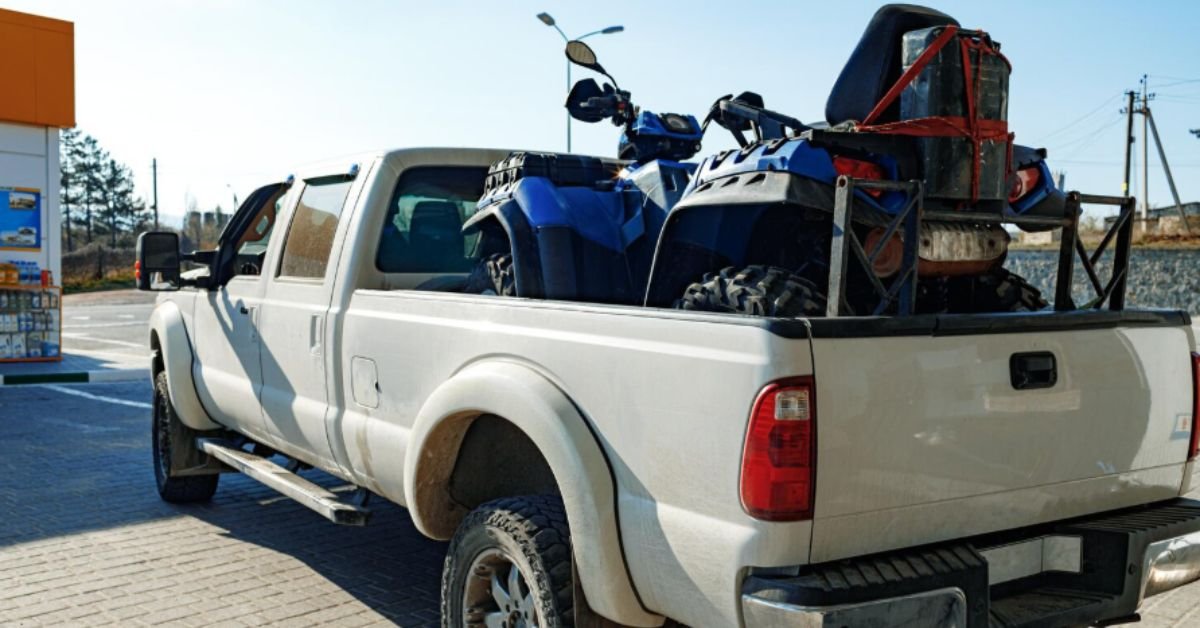
Truck enthusiasts often modify their vehicles to match their lifestyle, and one of the most popular upgrades is installing a lift kit. Lifting a truck like the Ford F-250 can enhance off-road performance, improve ground clearance, and give it a bold, aggressive stance that commands attention on the road. However, while a lifted truck looks impressive, it can also have a notable impact on its resale value. Whether you’re considering modifying your vehicle or exploring a lifted F-250 for sale, understanding how a lift affects its market price, buyer appeal, and long-term ownership costs is crucial. This article breaks down the key factors that determine how lifting your Ford F-250 can influence its resale value—both positively and negatively.
What Does Lifting a Truck Mean?
Lifting a truck involves raising its body or suspension to increase ground clearance. There are two main types of lift kits—body lifts and suspension lifts.
A body lift raises the truck’s body away from its frame, usually by one to three inches, using spacers or blocks. This option is more affordable and primarily changes the truck’s appearance without significantly affecting performance.
A suspension lift, on the other hand, modifies the vehicle’s suspension components, raising it several inches higher and improving off-road capability. This type of lift is more expensive and complex but offers better performance advantages.
For Ford F-250 owners, the decision to lift the truck often depends on lifestyle—whether for aesthetic appeal, off-road adventures, or heavy-duty performance. However, potential buyers and appraisers may see these modifications differently when it comes to resale value.
How Lifting a Truck Can Affect Resale Value
Lifting a Ford F-250 doesn’t automatically decrease its resale value, but it does narrow the buyer market. Some buyers view lifted trucks as desirable, while others see them as risky investments due to potential maintenance and handling issues. Understanding both perspectives is essential.
1. Positive Impact on Resale Value
Lifting your F-250 can increase resale value if done correctly and for the right market. Enthusiasts who appreciate off-road performance or want a visually commanding truck often pay more for a properly lifted model. In areas where off-roading is popular—such as rural regions, mountainous states, or areas with challenging terrain—lifted trucks tend to sell faster.
Buyers may also value a lift if it comes with quality aftermarket parts from reputable brands like Rough Country, BDS Suspension, or Fabtech. When professional installation and documentation are available, it increases buyer confidence and can justify a higher asking price.
2. Negative Impact on Resale Value
On the flip side, lifting a truck can reduce resale value if it’s poorly installed, excessively modified, or limits drivability. Many mainstream buyers prefer stock vehicles that offer predictable performance and factory reliability. A heavily lifted F-250 with large tires and altered suspension geometry may scare off potential buyers due to concerns about handling, warranty voids, or increased fuel consumption.
Furthermore, some insurance companies charge higher premiums for modified vehicles, and this can discourage average buyers from making a purchase. For those prioritizing comfort, fuel efficiency, and reliability, a lifted truck may not hold the same appeal as a factory model.
Market Demand: Who Buys Lifted Trucks?
When determining resale value, understanding your target buyer is key. Lifted trucks appeal to a specific demographic—outdoor enthusiasts, off-roaders, or individuals seeking a rugged, standout look.
In markets where truck customization is common, a lifted F-250 might attract strong interest. However, in urban areas or among business fleets that prioritize practicality, the demand drops significantly.
The regional factor also matters. In Florida, Texas, or Colorado, where truck culture thrives, lifted models are more accepted and may retain value better than in states where buyers prefer factory-standard vehicles.
Dealers often report that customized trucks sell best in niche markets, but not necessarily for higher prices unless the modifications are tasteful, functional, and professionally executed.
Quality of Installation and Parts
A lift kit’s impact on resale value heavily depends on quality—both of the components used and the installation process. Buyers are willing to pay more for a lifted Ford F-250 if it’s clear the modification was done by a certified shop using premium parts.
Documentation is crucial here. Receipts, detailed service records, and proof of professional installation can reassure potential buyers that the lift was performed safely. Trucks lifted with cheap kits or DIY setups often experience alignment issues, uneven tire wear, and handling instability, which can significantly reduce their market value.
Additionally, high-quality lifts tend to improve off-road capability without sacrificing ride comfort, making them more appealing to a broader range of buyers.
Performance, Handling, and Fuel Efficiency
Lifting a truck changes its center of gravity, which can affect handling and braking performance. A higher center of gravity may increase rollover risk and require careful driving, particularly during sharp turns or sudden maneuvers.
Moreover, the larger tires that often accompany lifted trucks can affect acceleration, fuel economy, and braking distance. A Ford F-250 that once achieved respectable fuel efficiency for its class might consume more fuel after being lifted, which can discourage budget-conscious buyers.
Performance trade-offs like these can impact resale value depending on how noticeable the effects are. If the lift improves functionality—such as better towing clearance or off-road stability—it might enhance appeal. But if it compromises comfort or drivability, buyers may be hesitant to pay a premium.
Warranty and Insurance Considerations
Modifying a truck with a lift kit can void parts of the manufacturer’s warranty, especially if the modification affects powertrain or suspension components. Buyers are often cautious about purchasing lifted trucks still under warranty because repairs might not be covered by Ford’s service plan.
Insurance is another concern. Lifted vehicles typically cost more to insure due to increased risk and the added value of aftermarket parts. Some buyers may walk away after learning about higher premiums, reducing resale potential.
For sellers, it’s best to be transparent about modifications and any related warranty or insurance changes. Honest communication can build trust and attract serious buyers who understand the benefits and risks of owning a lifted truck.
Appearance and Customization Appeal
From an aesthetic standpoint, lifting a Ford F-250 can be a powerful selling point. The enhanced ground clearance and aggressive stance give the truck a commanding road presence that many buyers love. If the lift complements other tasteful upgrades—like upgraded wheels, LED lighting, or bumpers—it can make the truck look more premium and desirable.
However, over-customization can hurt resale value. Extremely tall lifts, oversized tires, or flashy accessories may limit the number of buyers who find the look appealing. The goal should be a balanced customization—one that enhances functionality and visual appeal without compromising practicality.
Maintenance and Long-Term Costs
Another factor influencing resale value is maintenance. Lifted trucks require more frequent attention to components like shocks, steering arms, and tires. Poorly maintained lifted trucks often show uneven tire wear or premature component failure, signaling potential future costs for buyers.
For sellers, maintaining detailed service records and performing routine inspections can protect resale value. Demonstrating that the truck has been cared for—even after modification—can help reassure potential buyers of its reliability.
How to Maximize Resale Value for a Lifted F-250
If you already own a lifted Ford F-250 or are planning to lift one, there are strategic ways to maintain or even increase its resale value:
- Use high-quality lift kits from reputable brands.
- Keep detailed installation records from certified mechanics.
- Maintain all factory components in good condition.
- Avoid excessive lifts that harm drivability.
- Target the right buyer market—off-road or truck enthusiasts.
- Regularly service suspension, steering, and tires.
By following these steps, owners can preserve both performance and buyer confidence, ensuring a smoother resale experience.
Conclusion
Lifting a Ford F-250 can significantly alter its performance, appearance, and resale value. While a lift can make your truck more capable off-road and visually striking, it can also narrow your pool of potential buyers. The key to protecting resale value lies in quality—quality of parts, professional installation, and consistent maintenance.
CLICK HERE FOR MORE BLOG POSTS

Ethan Cole is a passionate blogger at Aldalive.com, sharing fresh ideas and engaging content on lifestyle, technology, and everyday trends. With a love for writing and exploring new topics, Ethan aims to make information simple, useful, and inspiring for readers worldwide.