
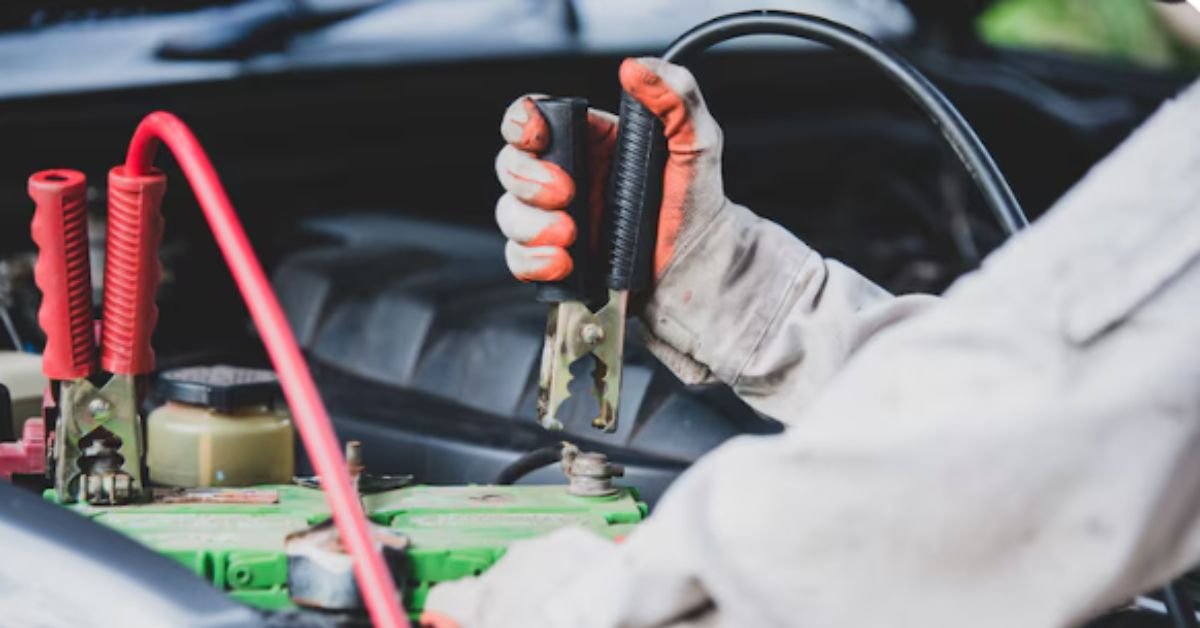
Your vehicle’s battery is one of those parts you don’t think much about—until it fails. It’s responsible for powering your ignition, electronics, and essential systems, but not all batteries age the same way. Interestingly, your car’s make and model play a significant role in how long your battery lasts. Factors like engine size, onboard technology, and even climate control systems can shorten or extend a battery’s lifespan. Understanding how your specific vehicle type affects battery performance can help you choose the right replacement and keep your car running smoothly.
How Vehicle Type Impacts Battery Performance
The type of vehicle you drive has a direct impact on how hard your battery works every day. Compact sedans and economy cars typically require less electrical output than SUVs or trucks because they have fewer power-hungry systems. On the other hand, modern vehicles packed with advanced features—such as heated seats, large infotainment screens, and driver-assistance systems—put a much heavier strain on the electrical system.
High-performance vehicles and off-road models often need more powerful batteries, like optima batteries, designed for deep cycling and consistent power delivery. These are built to handle demanding conditions, including higher electrical loads, stronger alternators, and frequent vibration. A standard battery might struggle under that stress, leading to premature failure.
Even within the same brand, different trim levels can affect battery demands. For instance, a base model car with minimal electronics will typically get more years out of its battery than a luxury model with advanced climate control and entertainment systems. Hybrid and electric vehicles also manage batteries differently, often relying on complex energy management systems that optimize charge cycles and reduce degradation—but when their smaller auxiliary batteries do fail, replacement can be more specialized and costly.
Driving conditions and habits also play a role. Short trips or stop-and-go driving don’t give your alternator enough time to recharge the battery fully, leading to gradual depletion over time. Vehicles driven mostly in city conditions may need battery replacement sooner than those used for regular highway travel. Similarly, cars that sit unused for long periods are prone to parasitic drain from onboard electronics.
Climate adds another layer of complexity. Extremely cold weather slows chemical reactions inside the battery, reducing its ability to deliver power. Conversely, hot temperatures accelerate evaporation and corrosion, shortening its lifespan. Parking indoors and maintaining proper insulation around the battery can help reduce the effects of extreme weather.
What You Can Do to Extend Battery Life
Even though your car model influences how quickly a battery wears out, smart maintenance can make a big difference. The first step is choosing high-quality components from trusted auto parts retailers that offer reliable performance and warranty coverage. A good battery matched to your vehicle’s specifications will handle electrical loads efficiently and last significantly longer.
Regular inspections are equally important. Check your battery terminals for corrosion and ensure they’re tightly connected. Clean them with a mixture of baking soda and water if you see buildup, and make sure the cables aren’t frayed or loose. Corrosion restricts current flow, which makes your alternator work harder to keep the battery charged.
If your car sits unused for extended periods, consider using a battery maintainer or trickle charger to keep it topped off. These devices provide a steady, low-voltage charge that prevents deep discharge and prolongs the battery’s health.
It’s also a good idea to test your charging system at least once a year. A weak alternator or damaged voltage regulator can overcharge or undercharge your battery, both of which shorten its lifespan. Most auto parts stores will test your charging system for free, ensuring everything functions correctly.
Avoid running electronics when the engine is off, as this drains the battery faster than you might expect. Leaving your headlights, radio, or phone charger plugged in overnight can pull enough energy to leave your car struggling to start the next day.
Finally, when replacement time comes, always choose a battery that meets or exceeds your vehicle’s OEM specifications. Today’s car batteries come in a wide range of group sizes, capacities, and technologies—from lead-acid to AGM and even lithium-ion options for high-performance and hybrid vehicles. The right battery ensures optimal compatibility, durability, and power output for your specific make and model.
Final Thoughts
Your car model absolutely affects how long your battery lasts—but that doesn’t mean you’re powerless to extend its life. High-demand vehicles, frequent short trips, and extreme weather can all shorten battery performance, but with the right maintenance and quality replacement parts, you can easily add years to its lifespan. Stay proactive by checking your battery health regularly, keeping terminals clean, and ensuring your electrical system is balanced. With a little care, your next battery could last far longer than you expect—no matter what you drive.

Ethan Cole is a passionate blogger at Aldalive.com, sharing fresh ideas and engaging content on lifestyle, technology, and everyday trends. With a love for writing and exploring new topics, Ethan aims to make information simple, useful, and inspiring for readers worldwide.