
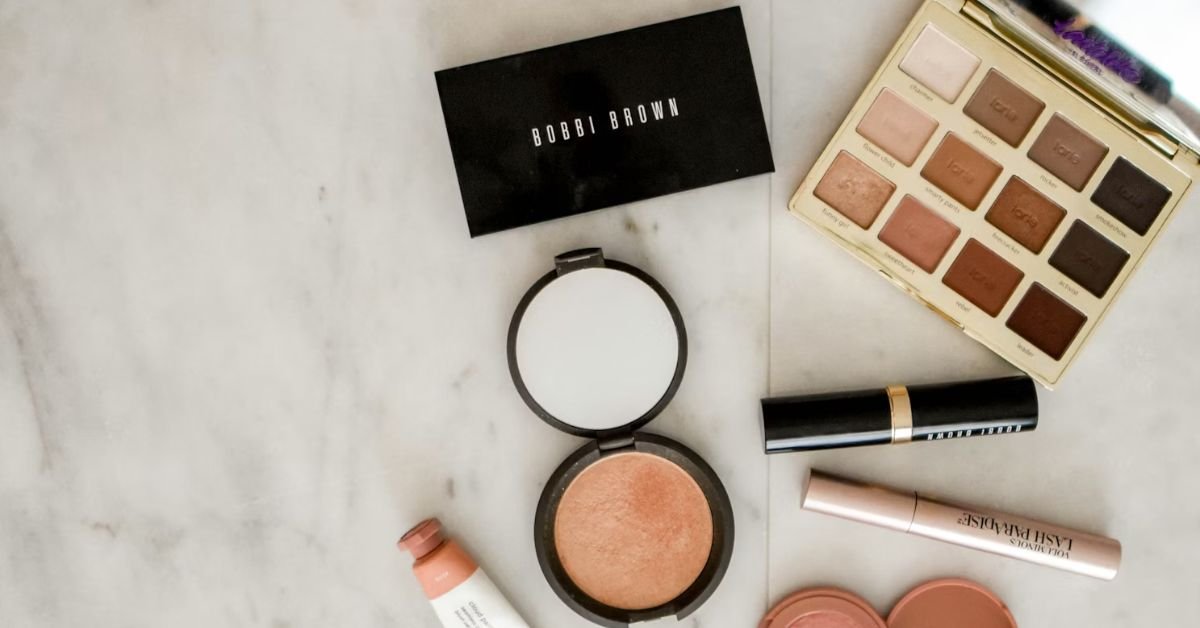
If you enjoy makeup, this isn’t an argument telling you to throw everything away or feel guilty about what’s already on your shelf. Makeup can be fun, creative, and even confidence-boosting. The question worth asking is a quieter one. What happens when something becomes a daily habit for decades without much reflection?
Most health conversations focus on obvious choices like diet, exercise, or sleep. Meanwhile, personal care routines often fly under the radar, even though they involve daily skin contact.
It’s well established that health tends to be shaped by what you do repeatedly, not occasionally. So, when you step back and look at makeup through that lens, it becomes reasonable to ask whether less could sometimes be better. This is exactly what we’ll explore today, so let’s jump right in.
Reason 1: Daily Exposure Builds up Faster Than You Think
Many cosmetic ingredients are labeled safe because they meet regulatory limits in small amounts. That sounds reassuring until you consider frequency. A product used once for a special event is very different from one applied every day for years. Over time, repeated exposure can create effects that do not show up right away.
Meta-analysis studies show that nearly 4 in 10 global cosmetic users experience adverse effects. These included reactions that ranged from mild hypersensitivity and skin irritation to severe complications like infections and scarring. Unsurprisingly, heavy metals, nitrosamines, phenols, hydroquinone, and steroids were repeatedly found to be the most harmful cosmetic ingredients.
The scary part is that there are several potentially toxic chemicals that are still thought of as safe. For instance, one report noted that there was no hard data that low-level benzene exposure carries any harm. Yet, more and more, we are seeing the opposite, with the FDA announcing voluntary recalls for six acne treatments due to elevated benzene levels.
As Gianaris Trial Lawyers explains, the FDA doesn’t allow the chemical in beauty and personal care products. However, investigations suggest it forms during manufacturing or from the deterioration of other substances in makeup products. Thus, do you really want to take risks with your health when the science still hasn’t settled on what’s safe and what’s not?
Reason 2: Your Skin Is a Living Ecosystem, Not a Canvas
It’s easy to think of skin as something to perfect or correct. In reality, it functions more like an ecosystem that depends on balance. The surface of your skin hosts bacteria that protect against irritation, infection, and inflammation. When that balance shifts, problems tend to follow.
One study found that cosmetics alter skin microbiota, both positively and negatively. For instance, even a basic skin care routine of skin softener, lotion, essence, and moisturizing cream was found to impact two skin phyla. They found that Actinobacteria decreased while Proteobacteria increased. This shift can lower the resilience of the skin microbiome and make irritation more likely.
Makeup sits on top of skincare layers, sealing them in for hours. While the surface may look smoother, the underlying ecosystem can become less stable. That instability often shows up as redness, breakouts, or a feeling that your skin suddenly reacts to everything.
This is why it’s wise to take breaks from makeup. It allows your skin ecosystem to recalibrate and gives your natural barrier a chance to recover without interference. Essentially, you’ll find that long-term skin health starts improving when your routines support balance instead of constantly trying to correct perceived flaws.
Reason 3: Social Pressure Can Increase Chemical Load Without You Noticing
Most people do not start layering products because they want more chemicals on their skin. They do it because of expectations. Looking polished, professional, or put-together often comes with unspoken rules, especially for women. Often, those expectations can quietly expand daily routines. Before you know it, people are using toxic chemicals, either knowingly or unknowingly, on a daily basis.
One report on NPR highlighted that 53% of Black and Latina women used products containing formaldehyde. On average, the women used 17 products per day, totaling 1,143 products in one week. Tracey Woodruff, who leads a reproductive health program at the University of California, believes this reflects the societal pressure that women experience.
What stands out is not just the presence of one ingredient but the sheer volume of exposure. Each additional product adds another layer of chemicals, fragrances, and preservatives. When you’re doing this every day over many years, it’s unlikely your skin and health remain completely unaffected.
Choosing to go makeup-free can interrupt that cycle. It shifts decisions from obligation to choice. Fewer products often mean fewer unnecessary exposures and a healthier relationship with appearance overall.
Frequently Asked Questions
1. What happens if you use too much makeup?
Using too much makeup too often can clog pores, disrupt your skin’s natural barrier, and trigger irritation or breakouts. Over time, constant layering may make skin more reactive, even if the products seem gentle at first.
2. Is makeup safe to use daily?
Makeup can be safe for daily use, but safety depends on ingredients, skin type, and how well you remove it. Daily use without breaks can increase irritation risk, especially when products contain fragrances, preservatives, or pore-clogging fillers.
3. What is the safest makeup to wear?
The safest makeup usually has fewer ingredients, no added fragrance, and avoids known irritants. Mineral-based products and those tested for sensitive skin tend to be better options, especially when you use them lightly and give your skin regular makeup-free days.
Ultimately, going makeup-free does not have to be a permanent decision to be meaningful. Even occasional breaks can reduce exposure, support skin balance, and create space to reassess habits.
Remember, makeup should be something you choose, not something you feel required to wear. Giving your skin regular time without it can be a practical step toward protecting your health while reclaiming a sense of ease in your daily routine.

Ethan Cole is a passionate blogger at Aldalive.com, sharing fresh ideas and engaging content on lifestyle, technology, and everyday trends. With a love for writing and exploring new topics, Ethan aims to make information simple, useful, and inspiring for readers worldwide.